Combating Houthi Threats and Aggression Act
USA119th CongressHR-2052| House
| Updated: 3/11/2025
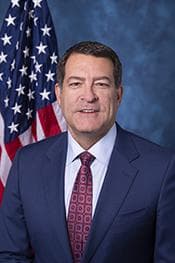
Mark E. Green
Republican Representative
Tennessee
Cosponsors (4)
Foreign Affairs Committee, Judiciary Committee
- Introduced
- In Committee
- On Floor
- Passed Chamber
- Enacted
This bill, known as the "Combating Houthi Threats and Aggression Act," establishes a policy for the United States to work with allies to safeguard maritime security in the Red Sea and Gulf of Aden. Its primary goal is to oppose Houthi attacks on international shipping, which threaten global commerce, endanger mariners, and destabilize the region, thereby undermining U.S. national security interests. The legislation mandates the President to submit several annual reports to Congress. These reports include an assessment of Houthi capabilities to threaten U.S. national security and global shipping, detailing their intentions, Iranian support, and weapons systems. Further reports are required on Houthi attacks that threaten freedom of navigation, analyzing their impact on U.S. security and the global economy, as well as Iran's role and China's presence in the region. Additionally, the President must report on violations of the United Nations arms embargo against Yemen, including interdiction efforts and U.S. coordination with international partners. Crucially, the bill requires the imposition of sanctions on foreign persons determined to be responsible for, complicit in, or materially contributing to Houthi attacks on international shipping. These sanctions involve the blocking of property and interests in property within U.S. jurisdiction, and rendering individuals ineligible for U.S. visas , admission, or parole, with existing visas subject to revocation. Penalties for violations align with the International Emergency Economic Powers Act. The President retains the authority to waive sanctions on a case-by-case basis for national security interests, provided Congress is notified and briefed. The Act includes exceptions for intelligence activities and compliance with international obligations or law enforcement. This legislation is set to terminate five years after its enactment.
View Full TextSuggested Questions
Get AI-generated questions to help you understand this bill better
Timeline
Introduced in House
Referred to the Committee on Foreign Affairs, and in addition to the Committee on the Judiciary, for a period to be subsequently determined by the Speaker, in each case for consideration of such provisions as fall within the jurisdiction of the committee concerned.
International Affairs
Combating Houthi Threats and Aggression Act
USA119th CongressHR-2052| House
| Updated: 3/11/2025
This bill, known as the "Combating Houthi Threats and Aggression Act," establishes a policy for the United States to work with allies to safeguard maritime security in the Red Sea and Gulf of Aden. Its primary goal is to oppose Houthi attacks on international shipping, which threaten global commerce, endanger mariners, and destabilize the region, thereby undermining U.S. national security interests. The legislation mandates the President to submit several annual reports to Congress. These reports include an assessment of Houthi capabilities to threaten U.S. national security and global shipping, detailing their intentions, Iranian support, and weapons systems. Further reports are required on Houthi attacks that threaten freedom of navigation, analyzing their impact on U.S. security and the global economy, as well as Iran's role and China's presence in the region. Additionally, the President must report on violations of the United Nations arms embargo against Yemen, including interdiction efforts and U.S. coordination with international partners. Crucially, the bill requires the imposition of sanctions on foreign persons determined to be responsible for, complicit in, or materially contributing to Houthi attacks on international shipping. These sanctions involve the blocking of property and interests in property within U.S. jurisdiction, and rendering individuals ineligible for U.S. visas , admission, or parole, with existing visas subject to revocation. Penalties for violations align with the International Emergency Economic Powers Act. The President retains the authority to waive sanctions on a case-by-case basis for national security interests, provided Congress is notified and briefed. The Act includes exceptions for intelligence activities and compliance with international obligations or law enforcement. This legislation is set to terminate five years after its enactment.
View Full TextSuggested Questions
Get AI-generated questions to help you understand this bill better
Timeline
Introduced in House
Referred to the Committee on Foreign Affairs, and in addition to the Committee on the Judiciary, for a period to be subsequently determined by the Speaker, in each case for consideration of such provisions as fall within the jurisdiction of the committee concerned.
Mark E. Green
Republican Representative
Tennessee
Cosponsors (4)
Foreign Affairs Committee, Judiciary Committee
International Affairs
- Introduced
- In Committee
- On Floor
- Passed Chamber
- Enacted