PARSA
USA119th CongressHR-2067| House
| Updated: 3/11/2025
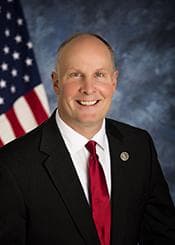
John R. Moolenaar
Republican Representative
Michigan
Education and Workforce Committee
- Introduced
- In Committee
- On Floor
- Passed Chamber
- Enacted
This bill amends the Employee Retirement Income Security Act of 1974 (ERISA) to prohibit fiduciaries of employee retirement plans from investing in entities designated as foreign adversaries or sanctioned entities. It makes it a violation for a fiduciary to allow a plan to acquire interests in, lend money to, furnish goods or services to, or transfer assets or participant data to a 'covered entity.' A covered entity is defined as either a foreign adversary entity or a sanctioned entity, aiming to prevent financial support to potentially hostile foreign interests. The legislation further mandates additional disclosures for existing investments. Plans must provide statements detailing all assets held in sanctioned entities , including their aggregate value and the specific lists on which these entities appear. For foreign adversary entities , disclosures must include the specific interest and value, the investment vehicle used, the responsible fiduciary, and factors considered for maintaining the investment. The bill defines 'foreign adversary entity' broadly to include governmental bodies, armed forces, and entities organized in or controlled by a foreign adversary. 'Sanctioned entity' refers to those listed on various U.S. government lists, such as the OFAC's NS-CMIC List and the Commerce Department's Entity List. While new investments are prohibited, plans may continue to hold existing investments or fulfill prior contractual obligations if specific disclosure requirements are met. The Secretary of Labor is directed to issue implementing regulations within 180 days, which will take effect within one year of the bill's enactment.
View Full TextSuggested Questions
Get AI-generated questions to help you understand this bill better
Timeline
Introduced in House
Referred to the House Committee on Education and Workforce.
Labor and Employment
Administrative law and regulatory proceduresAsiaBank accounts, deposits, capitalChinaDepartment of LaborEmployee benefits and pensionsFinancial services and investmentsSanctionsU.S. and foreign investments
PARSA
USA119th CongressHR-2067| House
| Updated: 3/11/2025
This bill amends the Employee Retirement Income Security Act of 1974 (ERISA) to prohibit fiduciaries of employee retirement plans from investing in entities designated as foreign adversaries or sanctioned entities. It makes it a violation for a fiduciary to allow a plan to acquire interests in, lend money to, furnish goods or services to, or transfer assets or participant data to a 'covered entity.' A covered entity is defined as either a foreign adversary entity or a sanctioned entity, aiming to prevent financial support to potentially hostile foreign interests. The legislation further mandates additional disclosures for existing investments. Plans must provide statements detailing all assets held in sanctioned entities , including their aggregate value and the specific lists on which these entities appear. For foreign adversary entities , disclosures must include the specific interest and value, the investment vehicle used, the responsible fiduciary, and factors considered for maintaining the investment. The bill defines 'foreign adversary entity' broadly to include governmental bodies, armed forces, and entities organized in or controlled by a foreign adversary. 'Sanctioned entity' refers to those listed on various U.S. government lists, such as the OFAC's NS-CMIC List and the Commerce Department's Entity List. While new investments are prohibited, plans may continue to hold existing investments or fulfill prior contractual obligations if specific disclosure requirements are met. The Secretary of Labor is directed to issue implementing regulations within 180 days, which will take effect within one year of the bill's enactment.
View Full TextSuggested Questions
Get AI-generated questions to help you understand this bill better
Timeline
Introduced in House
Referred to the House Committee on Education and Workforce.
John R. Moolenaar
Republican Representative
Michigan
Education and Workforce Committee
Labor and Employment
Related Bills
- Introduced
- In Committee
- On Floor
- Passed Chamber
- Enacted
Administrative law and regulatory proceduresAsiaBank accounts, deposits, capitalChinaDepartment of LaborEmployee benefits and pensionsFinancial services and investmentsSanctionsU.S. and foreign investments