Chesapeake Bay Conservation Acceleration Act of 2025
USA119th CongressHR-2091| House
| Updated: 3/11/2025
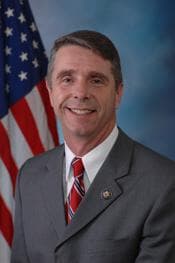
Robert J. Wittman
Republican Representative
Virginia
Cosponsors (6)
Agriculture Committee
- Introduced
- In Committee
- On Floor
- Passed Chamber
- Enacted
The Chesapeake Bay Conservation Acceleration Act of 2025 aims to enhance conservation efforts within the Chesapeake Bay watershed, primarily through agricultural programs. It establishes the Chesapeake Bay States Partnership Initiative , directing the Secretary of Agriculture to assist producers in implementing conservation activities. These activities are designed to improve water quality and quantity, restore natural resources, and increase the resilience of agricultural production to climate change impacts. The Initiative will provide funding through existing conservation programs, specifically targeting the Chesapeake Bay watershed for erosion control, sediment and nutrient reduction, and habitat restoration. Special consideration will be given to applications from river basins where nutrient reduction is most effective, or for activities that reduce nitrogen and sediment, improve livestock management, or conserve wetlands. The Secretary is also mandated to consult with federal agencies to ensure these activities complement existing federal, state, and local programs. A key provision is the establishment of a Task Force on Crediting Chesapeake Bay Conservation Investments , jointly led by the Secretary of Agriculture and the EPA Administrator. This task force will develop an action plan to improve the analysis, reporting, and quantification of nutrient reductions from conservation activities, ensuring responsiveness to state and agricultural needs while maintaining scientific integrity and protecting producer privacy. The bill also reauthorizes the Conservation Reserve Program (CRP) through fiscal year 2028 and expands eligible land to include areas for riparian buffers that positively impact water quality. It allows for updates to Conservation Reserve Enhancement Program (CREP) agreements to incorporate new incentives, such as riparian forest buffer payments, without requiring full renegotiation or matching funds. Furthermore, the maximum annual rental payment for CRP is increased from $50,000 to $100,000, and the Environmental Quality Incentives Program (EQIP) is amended to consider CRP/CREP participation when prioritizing grazing practices. A new Chesapeake Bay Watershed Turnkey Pilot Program is created to facilitate the establishment and management of forested riparian buffers and associated practices on eligible land enrolled through CREP. Under this pilot, the Secretary can utilize technical service providers, and participating owners and operators are not required to pay costs or submit additional paperwork. The bill also expands agricultural workforce development by broadening eligibility for grants and fellowships to include junior/community colleges and postsecondary vocational institutions, emphasizing paid work-based learning, and increasing authorized appropriations. Finally, the legislation grants the Natural Resources Conservation Service (NRCS) direct hire authority for qualified candidates providing technical assistance under conservation programs. It also shifts primary regulatory oversight of domestic, wild-caught blue and flathead catfish, invasive to the Chesapeake Bay ecosystem, from the USDA Food Safety and Inspection Service to the Commissioner of Food and Drugs (FDA), requiring an interagency memorandum of understanding and new regulations to prevent inspection duplication.
View Full TextSuggested Questions
Get AI-generated questions to help you understand this bill better
Timeline
Introduced in House
Referred to the House Committee on Agriculture.
Environmental Protection
Chesapeake Bay Conservation Acceleration Act of 2025
USA119th CongressHR-2091| House
| Updated: 3/11/2025
The Chesapeake Bay Conservation Acceleration Act of 2025 aims to enhance conservation efforts within the Chesapeake Bay watershed, primarily through agricultural programs. It establishes the Chesapeake Bay States Partnership Initiative , directing the Secretary of Agriculture to assist producers in implementing conservation activities. These activities are designed to improve water quality and quantity, restore natural resources, and increase the resilience of agricultural production to climate change impacts. The Initiative will provide funding through existing conservation programs, specifically targeting the Chesapeake Bay watershed for erosion control, sediment and nutrient reduction, and habitat restoration. Special consideration will be given to applications from river basins where nutrient reduction is most effective, or for activities that reduce nitrogen and sediment, improve livestock management, or conserve wetlands. The Secretary is also mandated to consult with federal agencies to ensure these activities complement existing federal, state, and local programs. A key provision is the establishment of a Task Force on Crediting Chesapeake Bay Conservation Investments , jointly led by the Secretary of Agriculture and the EPA Administrator. This task force will develop an action plan to improve the analysis, reporting, and quantification of nutrient reductions from conservation activities, ensuring responsiveness to state and agricultural needs while maintaining scientific integrity and protecting producer privacy. The bill also reauthorizes the Conservation Reserve Program (CRP) through fiscal year 2028 and expands eligible land to include areas for riparian buffers that positively impact water quality. It allows for updates to Conservation Reserve Enhancement Program (CREP) agreements to incorporate new incentives, such as riparian forest buffer payments, without requiring full renegotiation or matching funds. Furthermore, the maximum annual rental payment for CRP is increased from $50,000 to $100,000, and the Environmental Quality Incentives Program (EQIP) is amended to consider CRP/CREP participation when prioritizing grazing practices. A new Chesapeake Bay Watershed Turnkey Pilot Program is created to facilitate the establishment and management of forested riparian buffers and associated practices on eligible land enrolled through CREP. Under this pilot, the Secretary can utilize technical service providers, and participating owners and operators are not required to pay costs or submit additional paperwork. The bill also expands agricultural workforce development by broadening eligibility for grants and fellowships to include junior/community colleges and postsecondary vocational institutions, emphasizing paid work-based learning, and increasing authorized appropriations. Finally, the legislation grants the Natural Resources Conservation Service (NRCS) direct hire authority for qualified candidates providing technical assistance under conservation programs. It also shifts primary regulatory oversight of domestic, wild-caught blue and flathead catfish, invasive to the Chesapeake Bay ecosystem, from the USDA Food Safety and Inspection Service to the Commissioner of Food and Drugs (FDA), requiring an interagency memorandum of understanding and new regulations to prevent inspection duplication.
View Full TextSuggested Questions
Get AI-generated questions to help you understand this bill better
Timeline
Introduced in House
Referred to the House Committee on Agriculture.
Robert J. Wittman
Republican Representative
Virginia
Cosponsors (6)
Agriculture Committee
Environmental Protection
- Introduced
- In Committee
- On Floor
- Passed Chamber
- Enacted