SCREENS for Cancer Act of 2025
USA119th CongressHR-2381| House
| Updated: 3/26/2025
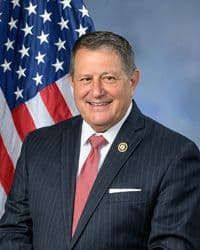
Joseph D. Morelle
Democratic Representative
New York
Cosponsors (51)
Laura Friedman (Democratic)Jonathan L. Jackson (Democratic)Mikie Sherrill (Democratic)Ritchie Torres (Democratic)Mark Pocan (Democratic)Jennifer L. McClellan (Democratic)Jefferson Van Drew (Republican)Darin LaHood (Republican)Sanford D. Bishop (Democratic)Zachary Nunn (Republican)Stephanie I. Bice (Republican)Mariannette Miller-Meeks (Republican)Young Kim (Republican)Debbie Dingell (Democratic)Steve Cohen (Democratic)Scott H. Peters (Democratic)Sarah Elfreth (Democratic)Paul Tonko (Democratic)Angie Craig (Democratic)Donald G. Davis (Democratic)Thomas R. Suozzi (Democratic)Maria Elvira Salazar (Republican)Thomas H. Kean (Republican)Don Bacon (Republican)John B. Larson (Democratic)Stephen F. Lynch (Democratic)Carol D. Miller (Republican)Mike Kelly (Republican)Daniel S. Goldman (Democratic)Alma S. Adams (Democratic)Eleanor Holmes Norton (Democratic)Val T. Hoyle (Democratic)Timothy M. Kennedy (Democratic)Julia Letlow (Republican)Mike Bost (Republican)Sarah McBride (Democratic)Yvette D. Clarke (Democratic)Brian K. Fitzpatrick (Republican)Bennie G. Thompson (Democratic)Deborah K. Ross (Democratic)Seth Moulton (Democratic)Josh Gottheimer (Democratic)Nanette Diaz Barragán (Democratic)Michael Lawler (Republican)Jesús G. "Chuy" García (Democratic)Gwen Moore (Democratic)Grace Meng (Democratic)Rashida Tlaib (Democratic)Lloyd Doggett (Democratic)Debbie Wasserman Schultz (Democratic)Gerald E. Connolly (Democratic)
Energy and Commerce Committee
- Introduced
- In Committee
- On Floor
- Passed Chamber
- Enacted
This legislation reauthorizes the National Breast and Cervical Cancer Early Detection Program (NBCCEDP) for fiscal years 2026 through 2030, allocating $235,000,000 annually. The bill aims to improve and expand the program's reach, which provides vital screening and diagnostic services to low-income, uninsured, or underinsured women across the United States, building on its historical success in detecting cancers and precancerous lesions. Key amendments broaden the NBCCEDP's objectives to include prevention alongside detection and control of breast and cervical cancers. The program will now enhance support activities like health care navigation and implement evidence-based strategies to increase screening rates, explicitly aiming to reduce disparities in cancer incidence and deaths among high-risk populations and improve equitable access to services by addressing related barriers. The bill also updates reporting requirements for the program, shifting from annual to a five-year cycle after an initial two-year report. Additionally, it mandates a Government Accountability Office (GAO) study by September 30, 2027, to assess eligible individuals, analyze trends in those served, and identify factors or barriers affecting access to screenings.
View Full TextSuggested Questions
Get AI-generated questions to help you understand this bill better
Timeline
Introduced in House
Referred to the House Committee on Energy and Commerce.
Health
SCREENS for Cancer Act of 2025
USA119th CongressHR-2381| House
| Updated: 3/26/2025
This legislation reauthorizes the National Breast and Cervical Cancer Early Detection Program (NBCCEDP) for fiscal years 2026 through 2030, allocating $235,000,000 annually. The bill aims to improve and expand the program's reach, which provides vital screening and diagnostic services to low-income, uninsured, or underinsured women across the United States, building on its historical success in detecting cancers and precancerous lesions. Key amendments broaden the NBCCEDP's objectives to include prevention alongside detection and control of breast and cervical cancers. The program will now enhance support activities like health care navigation and implement evidence-based strategies to increase screening rates, explicitly aiming to reduce disparities in cancer incidence and deaths among high-risk populations and improve equitable access to services by addressing related barriers. The bill also updates reporting requirements for the program, shifting from annual to a five-year cycle after an initial two-year report. Additionally, it mandates a Government Accountability Office (GAO) study by September 30, 2027, to assess eligible individuals, analyze trends in those served, and identify factors or barriers affecting access to screenings.
View Full TextSuggested Questions
Get AI-generated questions to help you understand this bill better
Timeline
Introduced in House
Referred to the House Committee on Energy and Commerce.
Joseph D. Morelle
Democratic Representative
New York
Cosponsors (51)
Laura Friedman (Democratic)Jonathan L. Jackson (Democratic)Mikie Sherrill (Democratic)Ritchie Torres (Democratic)Mark Pocan (Democratic)Jennifer L. McClellan (Democratic)Jefferson Van Drew (Republican)Darin LaHood (Republican)Sanford D. Bishop (Democratic)Zachary Nunn (Republican)Stephanie I. Bice (Republican)Mariannette Miller-Meeks (Republican)Young Kim (Republican)Debbie Dingell (Democratic)Steve Cohen (Democratic)Scott H. Peters (Democratic)Sarah Elfreth (Democratic)Paul Tonko (Democratic)Angie Craig (Democratic)Donald G. Davis (Democratic)Thomas R. Suozzi (Democratic)Maria Elvira Salazar (Republican)Thomas H. Kean (Republican)Don Bacon (Republican)John B. Larson (Democratic)Stephen F. Lynch (Democratic)Carol D. Miller (Republican)Mike Kelly (Republican)Daniel S. Goldman (Democratic)Alma S. Adams (Democratic)Eleanor Holmes Norton (Democratic)Val T. Hoyle (Democratic)Timothy M. Kennedy (Democratic)Julia Letlow (Republican)Mike Bost (Republican)Sarah McBride (Democratic)Yvette D. Clarke (Democratic)Brian K. Fitzpatrick (Republican)Bennie G. Thompson (Democratic)Deborah K. Ross (Democratic)Seth Moulton (Democratic)Josh Gottheimer (Democratic)Nanette Diaz Barragán (Democratic)Michael Lawler (Republican)Jesús G. "Chuy" García (Democratic)Gwen Moore (Democratic)Grace Meng (Democratic)Rashida Tlaib (Democratic)Lloyd Doggett (Democratic)Debbie Wasserman Schultz (Democratic)Gerald E. Connolly (Democratic)
Energy and Commerce Committee
Health
Related Bills
- Introduced
- In Committee
- On Floor
- Passed Chamber
- Enacted