Unfair Tax Prevention Act
USA119th CongressHR-2423| House
| Updated: 3/27/2025
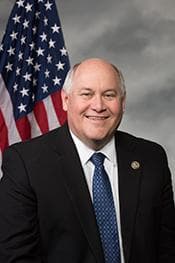
Ron Estes
Republican Representative
Kansas
Cosponsors (24)
David Schweikert (Republican)Adrian Smith (Republican)David Kustoff (Republican)Gregory F. Murphy (Republican)Darin LaHood (Republican)Mike Carey (Republican)Claudia Tenney (Republican)Beth Van Duyne (Republican)Aaron Bean (Republican)Nathaniel Moran (Republican)Rudy Yakym (Republican)Lloyd Smucker (Republican)Carol D. Miller (Republican)Jodey C. Arrington (Republican)Mike Kelly (Republican)W. Gregory Steube (Republican)Blake D. Moore (Republican)Brian K. Fitzpatrick (Republican)Max L. Miller (Republican)Randy Feenstra (Republican)Kevin Hern (Republican)Michelle Fischbach (Republican)Nicole Malliotakis (Republican)Vern Buchanan (Republican)
Ways and Means Committee
- Introduced
- In Committee
- On Floor
- Passed Chamber
- Enacted
This bill, known as the "Unfair Tax Prevention Act," amends Section 59A of the Internal Revenue Code of 1986 to significantly modify the application of the Base Erosion and Anti-Abuse Tax (BEAT) . The primary purpose is to address certain entities connected to jurisdictions that have implemented an extraterritorial tax. It introduces new rules specifically for "foreign-owned extraterritorial tax regime entities" to ensure they are subject to BEAT under expanded conditions. Under these new provisions, a foreign-owned extraterritorial tax regime entity will automatically be treated as an applicable taxpayer for BEAT purposes. A key change is that 50 percent of such an entity's cost of goods sold will be considered a base erosion tax benefit. An "extraterritorial tax" is defined as any foreign tax imposed on a corporation based on income or profits received by a person connected to that corporation through a chain of ownership, excluding direct ownership interests, aiming to capture taxes that extend beyond traditional jurisdictional boundaries.
View Full TextSuggested Questions
Get AI-generated questions to help you understand this bill better
Timeline
Introduced in House
Referred to the House Committee on Ways and Means.
Taxation
Unfair Tax Prevention Act
USA119th CongressHR-2423| House
| Updated: 3/27/2025
This bill, known as the "Unfair Tax Prevention Act," amends Section 59A of the Internal Revenue Code of 1986 to significantly modify the application of the Base Erosion and Anti-Abuse Tax (BEAT) . The primary purpose is to address certain entities connected to jurisdictions that have implemented an extraterritorial tax. It introduces new rules specifically for "foreign-owned extraterritorial tax regime entities" to ensure they are subject to BEAT under expanded conditions. Under these new provisions, a foreign-owned extraterritorial tax regime entity will automatically be treated as an applicable taxpayer for BEAT purposes. A key change is that 50 percent of such an entity's cost of goods sold will be considered a base erosion tax benefit. An "extraterritorial tax" is defined as any foreign tax imposed on a corporation based on income or profits received by a person connected to that corporation through a chain of ownership, excluding direct ownership interests, aiming to capture taxes that extend beyond traditional jurisdictional boundaries.
View Full TextSuggested Questions
Get AI-generated questions to help you understand this bill better
Timeline
Introduced in House
Referred to the House Committee on Ways and Means.
Ron Estes
Republican Representative
Kansas
Cosponsors (24)
David Schweikert (Republican)Adrian Smith (Republican)David Kustoff (Republican)Gregory F. Murphy (Republican)Darin LaHood (Republican)Mike Carey (Republican)Claudia Tenney (Republican)Beth Van Duyne (Republican)Aaron Bean (Republican)Nathaniel Moran (Republican)Rudy Yakym (Republican)Lloyd Smucker (Republican)Carol D. Miller (Republican)Jodey C. Arrington (Republican)Mike Kelly (Republican)W. Gregory Steube (Republican)Blake D. Moore (Republican)Brian K. Fitzpatrick (Republican)Max L. Miller (Republican)Randy Feenstra (Republican)Kevin Hern (Republican)Michelle Fischbach (Republican)Nicole Malliotakis (Republican)Vern Buchanan (Republican)
Ways and Means Committee
Taxation
- Introduced
- In Committee
- On Floor
- Passed Chamber
- Enacted