America's Red Rock Wilderness Act
USA119th CongressHR-2467| House
| Updated: 3/27/2025
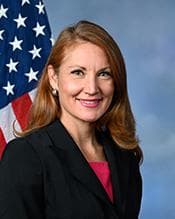
Melanie A. Stansbury
Democratic Representative
New Mexico
Cosponsors (65)
Kim Schrier (Democratic)Donald Norcross (Democratic)Chris Pappas (Democratic)Kelly Morrison (Democratic)Jared Huffman (Democratic)Mark Pocan (Democratic)Robert Menendez (Democratic)Emanuel Cleaver (Democratic)Bill Foster (Democratic)Joe Courtney (Democratic)Ilhan Omar (Democratic)Jimmy Panetta (Democratic)Maxine Dexter (Democratic)Steve Cohen (Democratic)Suzan K. DelBene (Democratic)Andrea Salinas (Democratic)Paul Tonko (Democratic)Angie Craig (Democratic)Delia C. Ramirez (Democratic)Rosa L. DeLauro (Democratic)Haley M. Stevens (Democratic)Adriano Espaillat (Democratic)Ted Lieu (Democratic)Nikki Budzinski (Democratic)Stephen F. Lynch (Democratic)Jill N. Tokuda (Democratic)Doris O. Matsui (Democratic)Sara Jacobs (Democratic)Marilyn Strickland (Democratic)Gregory W. Meeks (Democratic)Jahana Hayes (Democratic)Raja Krishnamoorthi (Democratic)Pramila Jayapal (Democratic)Betty McCollum (Democratic)Eleanor Holmes Norton (Democratic)Val T. Hoyle (Democratic)Richard E. Neal (Democratic)Lateefah Simon (Democratic)Salud O. Carbajal (Democratic)Joe Neguse (Democratic)Mike Quigley (Democratic)Donald S. Beyer (Democratic)Sean Casten (Democratic)Diana DeGette (Democratic)Eric Sorensen (Democratic)Janice D. Schakowsky (Democratic)James P. McGovern (Democratic)Maxine Waters (Democratic)Summer L. Lee (Democratic)Adam Smith (Democratic)Julia Brownley (Democratic)Seth Moulton (Democratic)Mike Thompson (Democratic)Suzanne Bonamici (Democratic)Linda T. Sánchez (Democratic)Zoe Lofgren (Democratic)Jesús G. "Chuy" García (Democratic)Kevin Mullin (Democratic)Gwen Moore (Democratic)Grace Meng (Democratic)Rashida Tlaib (Democratic)Gerald E. Connolly (Democratic)Chellie Pingree (Democratic)Mike Levin (Democratic)Judy Chu (Democratic)
Natural Resources Committee
- Introduced
- In Committee
- On Floor
- Passed Chamber
- Enacted
This legislation, titled the "America's Red Rock Wilderness Act," aims to designate significant federal portions of the red rock canyons of the Colorado Plateau and the Great Basin Deserts in Utah as wilderness areas. The primary purpose is to benefit present and future generations by protecting the cultural, ecological, and scenic values of these lands. It also seeks to preserve the ability of Indigenous and non-Indigenous people to engage in traditional activities such as hunting, fishing, hiking, and spiritual practices. The bill identifies the designated lands as among the largest remaining expanses of unprotected, wild public land in the continental United States. Congress finds that these designations would increase landscape connectivity, provide critical refugia, and help mitigate climate change impacts by reducing surface disturbances and greenhouse gas emissions. Furthermore, the bill recognizes the land as a living cultural landscape, vital to the continuation and revitalization of Indigenous cultures, and a place of refuge for wild nature. The legislation specifically designates numerous wilderness areas across nine distinct regions within Utah. These include the Great Basin Wilderness Areas , Grand Staircase-Escalante Wilderness Areas , Moab-La Sal Canyons Wilderness Areas , and Henry Mountains Wilderness Areas . Additional designations cover Glen Canyon Wilderness Areas , San Juan Wilderness Areas , Canyonlands Basin Wilderness Areas , San Rafael Swell Wilderness Areas , and Book Cliffs-Greater Dinosaur Wilderness Areas , encompassing vast acreages. Once designated, these wilderness areas will be administered by the Secretary of the Interior in accordance with the Federal Land Policy and Management Act and the Wilderness Act. The bill includes provisions for the exchange of State school trust lands located within the new wilderness areas for federal lands of approximately equal value. It also reserves a quantity of water rights sufficient for each wilderness area, with a priority date of the Act's enactment, and mandates steps to protect these rights. Further administrative provisions establish specific road setbacks for wilderness boundaries, varying based on road type and whether wilderness is on one or both sides. Authorized livestock grazing existing on the date of enactment will be permitted to continue under reasonable regulations. The bill explicitly states that it does not affect the State's jurisdiction over fish and wildlife or modify any rights or obligations concerning federally recognized Indian Tribes . Finally, all designated federal lands are withdrawn from future mineral entry, appropriation, disposal, and leasing, and any newly acquired lands within these boundaries will automatically become part of the wilderness system.
View Full TextSuggested Questions
Get AI-generated questions to help you understand this bill better
Timeline
Introduced in House
Referred to the House Committee on Natural Resources.
Public Lands and Natural Resources
Land transfersUtahWater use and supplyWilderness and natural areas, wildlife refuges, wild rivers, habitats
America's Red Rock Wilderness Act
USA119th CongressHR-2467| House
| Updated: 3/27/2025
This legislation, titled the "America's Red Rock Wilderness Act," aims to designate significant federal portions of the red rock canyons of the Colorado Plateau and the Great Basin Deserts in Utah as wilderness areas. The primary purpose is to benefit present and future generations by protecting the cultural, ecological, and scenic values of these lands. It also seeks to preserve the ability of Indigenous and non-Indigenous people to engage in traditional activities such as hunting, fishing, hiking, and spiritual practices. The bill identifies the designated lands as among the largest remaining expanses of unprotected, wild public land in the continental United States. Congress finds that these designations would increase landscape connectivity, provide critical refugia, and help mitigate climate change impacts by reducing surface disturbances and greenhouse gas emissions. Furthermore, the bill recognizes the land as a living cultural landscape, vital to the continuation and revitalization of Indigenous cultures, and a place of refuge for wild nature. The legislation specifically designates numerous wilderness areas across nine distinct regions within Utah. These include the Great Basin Wilderness Areas , Grand Staircase-Escalante Wilderness Areas , Moab-La Sal Canyons Wilderness Areas , and Henry Mountains Wilderness Areas . Additional designations cover Glen Canyon Wilderness Areas , San Juan Wilderness Areas , Canyonlands Basin Wilderness Areas , San Rafael Swell Wilderness Areas , and Book Cliffs-Greater Dinosaur Wilderness Areas , encompassing vast acreages. Once designated, these wilderness areas will be administered by the Secretary of the Interior in accordance with the Federal Land Policy and Management Act and the Wilderness Act. The bill includes provisions for the exchange of State school trust lands located within the new wilderness areas for federal lands of approximately equal value. It also reserves a quantity of water rights sufficient for each wilderness area, with a priority date of the Act's enactment, and mandates steps to protect these rights. Further administrative provisions establish specific road setbacks for wilderness boundaries, varying based on road type and whether wilderness is on one or both sides. Authorized livestock grazing existing on the date of enactment will be permitted to continue under reasonable regulations. The bill explicitly states that it does not affect the State's jurisdiction over fish and wildlife or modify any rights or obligations concerning federally recognized Indian Tribes . Finally, all designated federal lands are withdrawn from future mineral entry, appropriation, disposal, and leasing, and any newly acquired lands within these boundaries will automatically become part of the wilderness system.
View Full TextSuggested Questions
Get AI-generated questions to help you understand this bill better
Timeline
Introduced in House
Referred to the House Committee on Natural Resources.
Melanie A. Stansbury
Democratic Representative
New Mexico
Cosponsors (65)
Kim Schrier (Democratic)Donald Norcross (Democratic)Chris Pappas (Democratic)Kelly Morrison (Democratic)Jared Huffman (Democratic)Mark Pocan (Democratic)Robert Menendez (Democratic)Emanuel Cleaver (Democratic)Bill Foster (Democratic)Joe Courtney (Democratic)Ilhan Omar (Democratic)Jimmy Panetta (Democratic)Maxine Dexter (Democratic)Steve Cohen (Democratic)Suzan K. DelBene (Democratic)Andrea Salinas (Democratic)Paul Tonko (Democratic)Angie Craig (Democratic)Delia C. Ramirez (Democratic)Rosa L. DeLauro (Democratic)Haley M. Stevens (Democratic)Adriano Espaillat (Democratic)Ted Lieu (Democratic)Nikki Budzinski (Democratic)Stephen F. Lynch (Democratic)Jill N. Tokuda (Democratic)Doris O. Matsui (Democratic)Sara Jacobs (Democratic)Marilyn Strickland (Democratic)Gregory W. Meeks (Democratic)Jahana Hayes (Democratic)Raja Krishnamoorthi (Democratic)Pramila Jayapal (Democratic)Betty McCollum (Democratic)Eleanor Holmes Norton (Democratic)Val T. Hoyle (Democratic)Richard E. Neal (Democratic)Lateefah Simon (Democratic)Salud O. Carbajal (Democratic)Joe Neguse (Democratic)Mike Quigley (Democratic)Donald S. Beyer (Democratic)Sean Casten (Democratic)Diana DeGette (Democratic)Eric Sorensen (Democratic)Janice D. Schakowsky (Democratic)James P. McGovern (Democratic)Maxine Waters (Democratic)Summer L. Lee (Democratic)Adam Smith (Democratic)Julia Brownley (Democratic)Seth Moulton (Democratic)Mike Thompson (Democratic)Suzanne Bonamici (Democratic)Linda T. Sánchez (Democratic)Zoe Lofgren (Democratic)Jesús G. "Chuy" García (Democratic)Kevin Mullin (Democratic)Gwen Moore (Democratic)Grace Meng (Democratic)Rashida Tlaib (Democratic)Gerald E. Connolly (Democratic)Chellie Pingree (Democratic)Mike Levin (Democratic)Judy Chu (Democratic)
Natural Resources Committee
Public Lands and Natural Resources
Related Bills
- Introduced
- In Committee
- On Floor
- Passed Chamber
- Enacted
Land transfersUtahWater use and supplyWilderness and natural areas, wildlife refuges, wild rivers, habitats