Arts Education for All Act
USA119th CongressHR-2485| House
| Updated: 3/31/2025
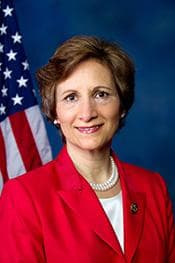
Suzanne Bonamici
Democratic Representative
Oregon
Cosponsors (33)
Dwight Evans (Democratic)Yassamin Ansari (Democratic)Laura Friedman (Democratic)Joyce Beatty (Democratic)Maxine Dexter (Democratic)Dina Titus (Democratic)Melanie A. Stansbury (Democratic)Suzan K. DelBene (Democratic)Andrea Salinas (Democratic)Angie Craig (Democratic)Delia C. Ramirez (Democratic)Donald G. Davis (Democratic)Janelle S. Bynum (Democratic)Henry C. "Hank" Johnson (Democratic)Don Bacon (Republican)Jahana Hayes (Democratic)Jerrold Nadler (Democratic)Adelita S. Grijalva (Democratic)Lucy McBath (Democratic)Eleanor Holmes Norton (Democratic)Bonnie Watson Coleman (Democratic)Josh Riley (Democratic)Jamie Raskin (Democratic)Julia Brownley (Democratic)Yvette D. Clarke (Democratic)Brian K. Fitzpatrick (Republican)Deborah K. Ross (Democratic)Emily Randall (Democratic)Teresa Leger Fernandez (Democratic)Valerie P. Foushee (Democratic)Rashida Tlaib (Democratic)Veronica Escobar (Democratic)Chellie Pingree (Democratic)
Education and Workforce Committee
- Introduced
- In Committee
- On Floor
- Passed Chamber
- Enacted
This bill aims to significantly expand and integrate arts education across various federal programs, starting with early childhood development by amending the Child Care and Development Block Grant Act of 1990 to include arts in "key programmatic strategies" and provider training. For K-12 education, the bill mandates that State educational agencies support and encourage arts education experiences to improve student achievement, integrate arts instruction, and increase arts educators. Local educational agencies are also required to support arts learning and encourage the use of arts education consistent with State plans. The legislation requires State report cards to include detailed information on arts courses, such as offerings, pupil-to-teacher ratios, and instructional time, with data disaggregated by poverty level. It also directs school improvement plans to evaluate and incorporate arts course offerings, particularly focusing on increasing access for underserved populations like low-income students, students with disabilities, and English learners. The bill provides for professional development for arts teachers and for all teachers to integrate arts into core subjects like math, reading, and science, and supports arts in afterschool and summer learning programs. Beyond traditional education, the bill extends arts education to the juvenile justice system, requiring States to coordinate delinquency prevention services with arts agencies and organizations. It also amends the Omnibus Crime Control and Safe Streets Act of 1968 to utilize arts education programs for offender reentry and recidivism reduction. Finally, the legislation mandates rigorous research on the effectiveness and scalability of arts education, requires the collection of statistical data on arts education access and integration, and reinstates the arts as a subject for assessment under the National Assessment of Educational Progress (NAEP).
View Full TextSuggested Questions
Get AI-generated questions to help you understand this bill better
Timeline
Introduced in House
Referred to the House Committee on Education and Workforce.
Education
Arts Education for All Act
USA119th CongressHR-2485| House
| Updated: 3/31/2025
This bill aims to significantly expand and integrate arts education across various federal programs, starting with early childhood development by amending the Child Care and Development Block Grant Act of 1990 to include arts in "key programmatic strategies" and provider training. For K-12 education, the bill mandates that State educational agencies support and encourage arts education experiences to improve student achievement, integrate arts instruction, and increase arts educators. Local educational agencies are also required to support arts learning and encourage the use of arts education consistent with State plans. The legislation requires State report cards to include detailed information on arts courses, such as offerings, pupil-to-teacher ratios, and instructional time, with data disaggregated by poverty level. It also directs school improvement plans to evaluate and incorporate arts course offerings, particularly focusing on increasing access for underserved populations like low-income students, students with disabilities, and English learners. The bill provides for professional development for arts teachers and for all teachers to integrate arts into core subjects like math, reading, and science, and supports arts in afterschool and summer learning programs. Beyond traditional education, the bill extends arts education to the juvenile justice system, requiring States to coordinate delinquency prevention services with arts agencies and organizations. It also amends the Omnibus Crime Control and Safe Streets Act of 1968 to utilize arts education programs for offender reentry and recidivism reduction. Finally, the legislation mandates rigorous research on the effectiveness and scalability of arts education, requires the collection of statistical data on arts education access and integration, and reinstates the arts as a subject for assessment under the National Assessment of Educational Progress (NAEP).
View Full TextSuggested Questions
Get AI-generated questions to help you understand this bill better
Timeline
Introduced in House
Referred to the House Committee on Education and Workforce.
Suzanne Bonamici
Democratic Representative
Oregon
Cosponsors (33)
Dwight Evans (Democratic)Yassamin Ansari (Democratic)Laura Friedman (Democratic)Joyce Beatty (Democratic)Maxine Dexter (Democratic)Dina Titus (Democratic)Melanie A. Stansbury (Democratic)Suzan K. DelBene (Democratic)Andrea Salinas (Democratic)Angie Craig (Democratic)Delia C. Ramirez (Democratic)Donald G. Davis (Democratic)Janelle S. Bynum (Democratic)Henry C. "Hank" Johnson (Democratic)Don Bacon (Republican)Jahana Hayes (Democratic)Jerrold Nadler (Democratic)Adelita S. Grijalva (Democratic)Lucy McBath (Democratic)Eleanor Holmes Norton (Democratic)Bonnie Watson Coleman (Democratic)Josh Riley (Democratic)Jamie Raskin (Democratic)Julia Brownley (Democratic)Yvette D. Clarke (Democratic)Brian K. Fitzpatrick (Republican)Deborah K. Ross (Democratic)Emily Randall (Democratic)Teresa Leger Fernandez (Democratic)Valerie P. Foushee (Democratic)Rashida Tlaib (Democratic)Veronica Escobar (Democratic)Chellie Pingree (Democratic)
Education and Workforce Committee
Education
- Introduced
- In Committee
- On Floor
- Passed Chamber
- Enacted