Homebuyers Privacy Protection Act
USA119th CongressHR-2808| House
| Updated: 9/5/2025
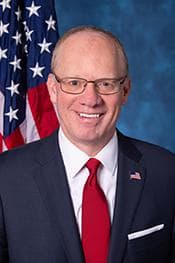
John W. Rose
Republican Representative
Tennessee
Cosponsors (89)
Dusty Johnson (Republican)Sam T. Liccardo (Democratic)Nikema Williams (Democratic)Adrian Smith (Republican)David Kustoff (Republican)Frank D. Lucas (Republican)Jared F. Golden (Democratic)Trent Kelly (Republican)Tim Burchett (Republican)Gabe Amo (Democratic)Robin L. Kelly (Democratic)Ashley Hinson (Republican)Ritchie Torres (Democratic)Joyce Beatty (Democratic)Ed Case (Democratic)Emanuel Cleaver (Democratic)Warren Davidson (Republican)Scott Franklin (Republican)Mark Alford (Republican)Bill Foster (Democratic)Thomas P. Tiffany (Republican)Robert J. Wittman (Republican)Darin LaHood (Republican)Sanford D. Bishop (Democratic)Zachary Nunn (Republican)Mike Ezell (Republican)David Scott (Democratic)Stephanie I. Bice (Republican)Andrew Ogles (Republican)Derek Schmidt (Republican)Eugene Simon Vindman (Democratic)William R. Timmons (Republican)Pete Sessions (Republican)Angie Craig (Democratic)Janelle S. Bynum (Democratic)Thomas R. Suozzi (Democratic)Andrew R. Garbarino (Republican)Frank J. Mrvan (Democratic)Lloyd Smucker (Republican)Anna Paulina Luna (Republican)Daniel Meuser (Republican)Don Bacon (Republican)Mike Flood (Republican)Stephen F. Lynch (Democratic)Gregory W. Meeks (Democratic)Brad Finstad (Republican)Brittany Pettersen (Democratic)Glenn Grothman (Republican)John R. Moolenaar (Republican)John H. Rutherford (Republican)Charles J. "Chuck" Fleischmann (Republican)Eleanor Holmes Norton (Democratic)Daniel Webster (Republican)Michael Cloud (Republican)Brad Sherman (Democratic)Mike Haridopolos (Republican)Byron Donalds (Republican)Joe Neguse (Democratic)Mark E. Amodei (Republican)Troy Downing (Republican)Lisa C. McClain (Republican)Eric Sorensen (Democratic)Nydia M. Velázquez (Democratic)Julia Brownley (Democratic)Cleo Fields (Democratic)Sarah McBride (Democratic)Brian K. Fitzpatrick (Republican)Bennie G. Thompson (Democratic)Bill Huizenga (Republican)Deborah K. Ross (Democratic)Kevin Kiley (Republican)Marlin A. Stutzman (Republican)Kevin Hern (Republican)Tom Barrett (Republican)Monica De La Cruz (Republican)Ben Cline (Republican)Josh Gottheimer (Democratic)Michael Lawler (Republican)Ralph Norman (Republican)Jason Crow (Democratic)Bradley Scott Schneider (Democratic)Jack Bergman (Republican)Tracey Mann (Republican)Michelle Fischbach (Republican)Jennifer A. Kiggans (Republican)Tim Moore (Republican)Bryan Steil (Republican)Michael Guest (Republican)Vern Buchanan (Republican)
Financial Services Committee
- Introduced
- In Committee
- On Floor
- Passed Chamber
- Enacted
This Act amends the Fair Credit Reporting Act to significantly restrict how consumer reporting agencies can furnish consumer reports related to residential mortgage loan applications. Its primary purpose is to enhance consumer privacy by limiting the widespread sharing of credit information that often follows an initial mortgage inquiry. Specifically, if a consumer report is requested for a residential mortgage loan, the agency is prohibited from furnishing that report to another person unless two conditions are met. First, the transaction must involve a firm offer of credit or insurance . Second, the other person must either have the consumer's explicit authorization or an existing relationship with the consumer, such as being the originator or servicer of a current residential mortgage loan, or an insured depository institution or credit union holding a current account for the consumer. The Act will take effect 180 days after its enactment. Additionally, it mandates the Comptroller General of the United States to conduct a study on the value of "trigger leads" received by text message, with a report to Congress due within 12 months.
Suggested Questions
Get AI-generated questions to help you understand this bill better
Timeline
Introduced in House
Referred to the House Committee on Financial Services.
Committee Consideration and Mark-up Session Held
Ordered to be Reported (Amended) by the Yeas and Nays: 46 - 0.
Placed on the Union Calendar, Calendar No. 133.
Reported (Amended) by the Committee on Financial Services. H. Rept. 119-166.
Mr. Rose moved to suspend the rules and pass the bill, as amended.
Considered under suspension of the rules. (consideration: CR H2876-2877)
DEBATE - The House proceeded with forty minutes of debate on H.R. 2808.
Passed/agreed to in House: On motion to suspend the rules and pass the bill, as amended Agreed to by voice vote. (text: CR H2876)
On motion to suspend the rules and pass the bill, as amended Agreed to by voice vote. (text: CR H2876)
Motion to reconsider laid on the table Agreed to without objection.
Received in the Senate. Read twice. Placed on Senate Legislative Calendar under General Orders. Calendar No. 104.
Passed/agreed to in Senate: Passed Senate without amendment by Unanimous Consent.
Passed Senate without amendment by Unanimous Consent. (consideration: CR S5522: 1)
Message on Senate action sent to the House.
Presented to President.
Signed by President.
Became Public Law No: 119-36.
Finance and Financial Sector
Consumer creditFinancial services and investmentsHousing finance and home ownershipReal estate businessRight of privacy
Homebuyers Privacy Protection Act
USA119th CongressHR-2808| House
| Updated: 9/5/2025
This Act amends the Fair Credit Reporting Act to significantly restrict how consumer reporting agencies can furnish consumer reports related to residential mortgage loan applications. Its primary purpose is to enhance consumer privacy by limiting the widespread sharing of credit information that often follows an initial mortgage inquiry. Specifically, if a consumer report is requested for a residential mortgage loan, the agency is prohibited from furnishing that report to another person unless two conditions are met. First, the transaction must involve a firm offer of credit or insurance . Second, the other person must either have the consumer's explicit authorization or an existing relationship with the consumer, such as being the originator or servicer of a current residential mortgage loan, or an insured depository institution or credit union holding a current account for the consumer. The Act will take effect 180 days after its enactment. Additionally, it mandates the Comptroller General of the United States to conduct a study on the value of "trigger leads" received by text message, with a report to Congress due within 12 months.
Suggested Questions
Get AI-generated questions to help you understand this bill better
Timeline
Introduced in House
Referred to the House Committee on Financial Services.
Committee Consideration and Mark-up Session Held
Ordered to be Reported (Amended) by the Yeas and Nays: 46 - 0.
Placed on the Union Calendar, Calendar No. 133.
Reported (Amended) by the Committee on Financial Services. H. Rept. 119-166.
Mr. Rose moved to suspend the rules and pass the bill, as amended.
Considered under suspension of the rules. (consideration: CR H2876-2877)
DEBATE - The House proceeded with forty minutes of debate on H.R. 2808.
Passed/agreed to in House: On motion to suspend the rules and pass the bill, as amended Agreed to by voice vote. (text: CR H2876)
On motion to suspend the rules and pass the bill, as amended Agreed to by voice vote. (text: CR H2876)
Motion to reconsider laid on the table Agreed to without objection.
Received in the Senate. Read twice. Placed on Senate Legislative Calendar under General Orders. Calendar No. 104.
Passed/agreed to in Senate: Passed Senate without amendment by Unanimous Consent.
Passed Senate without amendment by Unanimous Consent. (consideration: CR S5522: 1)
Message on Senate action sent to the House.
Presented to President.
Signed by President.
Became Public Law No: 119-36.
John W. Rose
Republican Representative
Tennessee
Cosponsors (89)
Dusty Johnson (Republican)Sam T. Liccardo (Democratic)Nikema Williams (Democratic)Adrian Smith (Republican)David Kustoff (Republican)Frank D. Lucas (Republican)Jared F. Golden (Democratic)Trent Kelly (Republican)Tim Burchett (Republican)Gabe Amo (Democratic)Robin L. Kelly (Democratic)Ashley Hinson (Republican)Ritchie Torres (Democratic)Joyce Beatty (Democratic)Ed Case (Democratic)Emanuel Cleaver (Democratic)Warren Davidson (Republican)Scott Franklin (Republican)Mark Alford (Republican)Bill Foster (Democratic)Thomas P. Tiffany (Republican)Robert J. Wittman (Republican)Darin LaHood (Republican)Sanford D. Bishop (Democratic)Zachary Nunn (Republican)Mike Ezell (Republican)David Scott (Democratic)Stephanie I. Bice (Republican)Andrew Ogles (Republican)Derek Schmidt (Republican)Eugene Simon Vindman (Democratic)William R. Timmons (Republican)Pete Sessions (Republican)Angie Craig (Democratic)Janelle S. Bynum (Democratic)Thomas R. Suozzi (Democratic)Andrew R. Garbarino (Republican)Frank J. Mrvan (Democratic)Lloyd Smucker (Republican)Anna Paulina Luna (Republican)Daniel Meuser (Republican)Don Bacon (Republican)Mike Flood (Republican)Stephen F. Lynch (Democratic)Gregory W. Meeks (Democratic)Brad Finstad (Republican)Brittany Pettersen (Democratic)Glenn Grothman (Republican)John R. Moolenaar (Republican)John H. Rutherford (Republican)Charles J. "Chuck" Fleischmann (Republican)Eleanor Holmes Norton (Democratic)Daniel Webster (Republican)Michael Cloud (Republican)Brad Sherman (Democratic)Mike Haridopolos (Republican)Byron Donalds (Republican)Joe Neguse (Democratic)Mark E. Amodei (Republican)Troy Downing (Republican)Lisa C. McClain (Republican)Eric Sorensen (Democratic)Nydia M. Velázquez (Democratic)Julia Brownley (Democratic)Cleo Fields (Democratic)Sarah McBride (Democratic)Brian K. Fitzpatrick (Republican)Bennie G. Thompson (Democratic)Bill Huizenga (Republican)Deborah K. Ross (Democratic)Kevin Kiley (Republican)Marlin A. Stutzman (Republican)Kevin Hern (Republican)Tom Barrett (Republican)Monica De La Cruz (Republican)Ben Cline (Republican)Josh Gottheimer (Democratic)Michael Lawler (Republican)Ralph Norman (Republican)Jason Crow (Democratic)Bradley Scott Schneider (Democratic)Jack Bergman (Republican)Tracey Mann (Republican)Michelle Fischbach (Republican)Jennifer A. Kiggans (Republican)Tim Moore (Republican)Bryan Steil (Republican)Michael Guest (Republican)Vern Buchanan (Republican)
Financial Services Committee
Finance and Financial Sector
Related Bills
- Introduced
- In Committee
- On Floor
- Passed Chamber
- Enacted
Consumer creditFinancial services and investmentsHousing finance and home ownershipReal estate businessRight of privacy