Early Childhood Nutrition Improvement Act
USA119th CongressHR-2818| House
| Updated: 4/10/2025
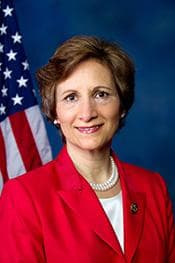
Suzanne Bonamici
Democratic Representative
Oregon
Cosponsors (15)
John W. Mannion (Democratic)Zachary Nunn (Republican)Greg Landsman (Democratic)Dina Titus (Democratic)Andrea Salinas (Democratic)Joaquin Castro (Democratic)Eleanor Holmes Norton (Democratic)Bonnie Watson Coleman (Democratic)Josh Riley (Democratic)James P. McGovern (Democratic)Brian K. Fitzpatrick (Republican)Linda T. Sánchez (Democratic)Rashida Tlaib (Democratic)Ryan Mackenzie (Republican)Veronica Escobar (Democratic)
Education and Workforce Committee
- Introduced
- In Committee
- On Floor
- Passed Chamber
- Enacted
This bill, titled the Early Childhood Nutrition Improvement Act, aims to significantly improve the Child and Adult Care Food Program (CACFP) by addressing administrative complexities, enhancing program integrity, and reducing burdens on participating institutions and families. It focuses on streamlining eligibility, reforming the serious deficiency process, increasing meal reimbursement flexibility, and implementing comprehensive paperwork reduction. The legislation mandates that the Secretary of Agriculture conduct a thorough review of the CACFP's serious deficiency process within one year, leading to new guidance and regulations. This review will clarify what constitutes a serious deficiency, differentiate between reasonable human error and intentional noncompliance, and establish a formal, independent appeals and mediation process. The bill also expands meal reimbursement options, allowing for up to three meals and one supplement or two meals and two supplements per day for children in care for eight or more hours, and directs a study on the impact of this additional meal. To reduce administrative burdens, the bill establishes an Advisory Committee on Paperwork Reduction to recommend ways to streamline processes for all CACFP participants, including through electronic systems and modern technologies. Based on these recommendations, the Secretary must issue guidance and regulations within two years to modernize applications, monitoring, and record-keeping. This includes measures like eliminating enrollment forms for meal claims, allowing direct certification in all states, and accepting digital documentation for more efficient program administration.
View Full TextSuggested Questions
Get AI-generated questions to help you understand this bill better
Timeline
Introduced in House
Referred to the House Committee on Education and Workforce.
Agriculture and Food
Early Childhood Nutrition Improvement Act
USA119th CongressHR-2818| House
| Updated: 4/10/2025
This bill, titled the Early Childhood Nutrition Improvement Act, aims to significantly improve the Child and Adult Care Food Program (CACFP) by addressing administrative complexities, enhancing program integrity, and reducing burdens on participating institutions and families. It focuses on streamlining eligibility, reforming the serious deficiency process, increasing meal reimbursement flexibility, and implementing comprehensive paperwork reduction. The legislation mandates that the Secretary of Agriculture conduct a thorough review of the CACFP's serious deficiency process within one year, leading to new guidance and regulations. This review will clarify what constitutes a serious deficiency, differentiate between reasonable human error and intentional noncompliance, and establish a formal, independent appeals and mediation process. The bill also expands meal reimbursement options, allowing for up to three meals and one supplement or two meals and two supplements per day for children in care for eight or more hours, and directs a study on the impact of this additional meal. To reduce administrative burdens, the bill establishes an Advisory Committee on Paperwork Reduction to recommend ways to streamline processes for all CACFP participants, including through electronic systems and modern technologies. Based on these recommendations, the Secretary must issue guidance and regulations within two years to modernize applications, monitoring, and record-keeping. This includes measures like eliminating enrollment forms for meal claims, allowing direct certification in all states, and accepting digital documentation for more efficient program administration.
View Full TextSuggested Questions
Get AI-generated questions to help you understand this bill better
Timeline
Introduced in House
Referred to the House Committee on Education and Workforce.
Suzanne Bonamici
Democratic Representative
Oregon
Cosponsors (15)
John W. Mannion (Democratic)Zachary Nunn (Republican)Greg Landsman (Democratic)Dina Titus (Democratic)Andrea Salinas (Democratic)Joaquin Castro (Democratic)Eleanor Holmes Norton (Democratic)Bonnie Watson Coleman (Democratic)Josh Riley (Democratic)James P. McGovern (Democratic)Brian K. Fitzpatrick (Republican)Linda T. Sánchez (Democratic)Rashida Tlaib (Democratic)Ryan Mackenzie (Republican)Veronica Escobar (Democratic)
Education and Workforce Committee
Agriculture and Food
- Introduced
- In Committee
- On Floor
- Passed Chamber
- Enacted