Reconciliation in Place Names Act
USA119th CongressHR-2843| House
| Updated: 4/10/2025
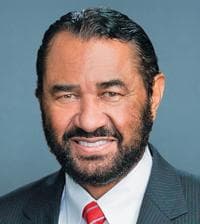
Al Green
Democratic Representative
Texas
Cosponsors (18)
Dwight Evans (Democratic)Nikema Williams (Democratic)Yassamin Ansari (Democratic)Jared Huffman (Democratic)Robin L. Kelly (Democratic)Melanie A. Stansbury (Democratic)Henry C. "Hank" Johnson (Democratic)André Carson (Democratic)Sara Jacobs (Democratic)LaMonica McIver (Democratic)Sydney Kamlager-Dove (Democratic)Pramila Jayapal (Democratic)Eleanor Holmes Norton (Democratic)Bonnie Watson Coleman (Democratic)Mike Quigley (Democratic)Bennie G. Thompson (Democratic)Zoe Lofgren (Democratic)Rashida Tlaib (Democratic)
Natural Resources Committee
- Introduced
- In Committee
- On Floor
- Passed Chamber
- Enacted
This bill, known as the "Reconciliation in Place Names Act," aims to establish a comprehensive and public process for identifying and renaming offensive geographic features and Federal land units across the United States. Congress finds that many existing place names perpetuate prejudice, disparage racial minorities, or honor individuals associated with racially repugnant views and atrocities. This legislation seeks to rectify these issues, promoting place names that are equitable, just, and reflect the cultural diversity of the nation. The Act mandates the creation of an Advisory Committee on Reconciliation in Place Names within 180 days, comprising 17 members including representatives from Indian Tribes, civil rights experts, and academics. This Committee will be responsible for soliciting proposals from the public, Indian Tribes, and government entities, providing public comment opportunities, and recommending new names. It will submit proposals to the Board on Geographic Names (BGN) for geographic features and to Congress for Federal land units. The Board on Geographic Names is required to review the Committee's proposals within three years of receipt. The BGN must approve a proposed name change unless it determines there is a compelling reason and substantial public interest in rejecting it, or if approval would violate Federal law. This structured process is designed to ensure that place names are updated to advance dignity for all people in the United States.
View Full TextSuggested Questions
Get AI-generated questions to help you understand this bill better
Timeline
Introduced in House
Referred to the House Committee on Natural Resources.
Public Lands and Natural Resources
Reconciliation in Place Names Act
USA119th CongressHR-2843| House
| Updated: 4/10/2025
This bill, known as the "Reconciliation in Place Names Act," aims to establish a comprehensive and public process for identifying and renaming offensive geographic features and Federal land units across the United States. Congress finds that many existing place names perpetuate prejudice, disparage racial minorities, or honor individuals associated with racially repugnant views and atrocities. This legislation seeks to rectify these issues, promoting place names that are equitable, just, and reflect the cultural diversity of the nation. The Act mandates the creation of an Advisory Committee on Reconciliation in Place Names within 180 days, comprising 17 members including representatives from Indian Tribes, civil rights experts, and academics. This Committee will be responsible for soliciting proposals from the public, Indian Tribes, and government entities, providing public comment opportunities, and recommending new names. It will submit proposals to the Board on Geographic Names (BGN) for geographic features and to Congress for Federal land units. The Board on Geographic Names is required to review the Committee's proposals within three years of receipt. The BGN must approve a proposed name change unless it determines there is a compelling reason and substantial public interest in rejecting it, or if approval would violate Federal law. This structured process is designed to ensure that place names are updated to advance dignity for all people in the United States.
View Full TextSuggested Questions
Get AI-generated questions to help you understand this bill better
Timeline
Introduced in House
Referred to the House Committee on Natural Resources.
Al Green
Democratic Representative
Texas
Cosponsors (18)
Dwight Evans (Democratic)Nikema Williams (Democratic)Yassamin Ansari (Democratic)Jared Huffman (Democratic)Robin L. Kelly (Democratic)Melanie A. Stansbury (Democratic)Henry C. "Hank" Johnson (Democratic)André Carson (Democratic)Sara Jacobs (Democratic)LaMonica McIver (Democratic)Sydney Kamlager-Dove (Democratic)Pramila Jayapal (Democratic)Eleanor Holmes Norton (Democratic)Bonnie Watson Coleman (Democratic)Mike Quigley (Democratic)Bennie G. Thompson (Democratic)Zoe Lofgren (Democratic)Rashida Tlaib (Democratic)
Natural Resources Committee
Public Lands and Natural Resources
Related Bills
- Introduced
- In Committee
- On Floor
- Passed Chamber
- Enacted