Vote at Home Act of 2025
USA119th CongressHR-2847| House
| Updated: 4/10/2025
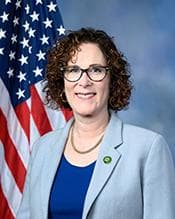
Val T. Hoyle
Democratic Representative
Oregon
Cosponsors (13)
Marc A. Veasey (Democratic)Christopher R. Deluzio (Democratic)Maxine Dexter (Democratic)Andrea Salinas (Democratic)Paul Tonko (Democratic)Henry C. "Hank" Johnson (Democratic)André Carson (Democratic)Eleanor Holmes Norton (Democratic)Bonnie Watson Coleman (Democratic)Janice D. Schakowsky (Democratic)Suzanne Bonamici (Democratic)Rashida Tlaib (Democratic)Judy Chu (Democratic)
Committee on House Administration, Oversight and Government Reform Committee
- Introduced
- In Committee
- On Floor
- Passed Chamber
- Enacted
The "Vote at Home Act of 2025" seeks to enhance voter access and streamline election processes for federal elections. It primarily focuses on expanding vote-by-mail options and modernizing voter registration through state motor vehicle departments. The bill aims to address inequities in voting rights and improve participation by making voting more convenient and accessible. Specifically, the bill amends the Help America Vote Act of 2002 to prohibit states from imposing additional conditions on eligible voters casting ballots by mail, beyond standard deadlines. States will be required to mail ballots to all registered voters for federal elections at least two weeks before Election Day, starting in 2026. Furthermore, it mandates that these mail-in ballots be accessible for individuals with disabilities, ensuring equal opportunity for participation. A significant provision also establishes free postage for both blank ballots sent by election officials and voted ballots returned by voters. The legislation also significantly revises the National Voter Registration Act of 1993 to streamline voter registration through state motor vehicle authorities. It mandates that states include a voter registration application form as part of all driver's license applications, requiring only minimal information and an attestation of eligibility, including citizenship. Crucially, the bill introduces automatic voter registration for eligible citizens, where state motor vehicle authorities transmit registration information to election officials for individuals who have demonstrated U.S. citizenship or are already registered. Upon receiving this information, election officials will determine eligibility and register individuals unless they decline, or update existing voter addresses. The bill includes important voter protections , ensuring that individuals are not prosecuted or adversely affected in immigration matters due to agency errors in automatic registration or for not explicitly affirming citizenship. However, these protections do not shield individuals who knowingly and willfully commit voter fraud. The motor vehicle authorities are explicitly prohibited from transmitting information for non-citizens, and any information regarding an applicant's decision to decline registration cannot be used for other purposes.
Suggested Questions
Get AI-generated questions to help you understand this bill better
Timeline
Introduced in House
Referred to the Committee on House Administration, and in addition to the Committee on Oversight and Government Reform, for a period to be subsequently determined by the Speaker, in each case for consideration of such provisions as fall within the jurisdiction of the committee concerned.
Government Operations and Politics
Vote at Home Act of 2025
USA119th CongressHR-2847| House
| Updated: 4/10/2025
The "Vote at Home Act of 2025" seeks to enhance voter access and streamline election processes for federal elections. It primarily focuses on expanding vote-by-mail options and modernizing voter registration through state motor vehicle departments. The bill aims to address inequities in voting rights and improve participation by making voting more convenient and accessible. Specifically, the bill amends the Help America Vote Act of 2002 to prohibit states from imposing additional conditions on eligible voters casting ballots by mail, beyond standard deadlines. States will be required to mail ballots to all registered voters for federal elections at least two weeks before Election Day, starting in 2026. Furthermore, it mandates that these mail-in ballots be accessible for individuals with disabilities, ensuring equal opportunity for participation. A significant provision also establishes free postage for both blank ballots sent by election officials and voted ballots returned by voters. The legislation also significantly revises the National Voter Registration Act of 1993 to streamline voter registration through state motor vehicle authorities. It mandates that states include a voter registration application form as part of all driver's license applications, requiring only minimal information and an attestation of eligibility, including citizenship. Crucially, the bill introduces automatic voter registration for eligible citizens, where state motor vehicle authorities transmit registration information to election officials for individuals who have demonstrated U.S. citizenship or are already registered. Upon receiving this information, election officials will determine eligibility and register individuals unless they decline, or update existing voter addresses. The bill includes important voter protections , ensuring that individuals are not prosecuted or adversely affected in immigration matters due to agency errors in automatic registration or for not explicitly affirming citizenship. However, these protections do not shield individuals who knowingly and willfully commit voter fraud. The motor vehicle authorities are explicitly prohibited from transmitting information for non-citizens, and any information regarding an applicant's decision to decline registration cannot be used for other purposes.
Suggested Questions
Get AI-generated questions to help you understand this bill better
Timeline
Introduced in House
Referred to the Committee on House Administration, and in addition to the Committee on Oversight and Government Reform, for a period to be subsequently determined by the Speaker, in each case for consideration of such provisions as fall within the jurisdiction of the committee concerned.
Val T. Hoyle
Democratic Representative
Oregon
Cosponsors (13)
Marc A. Veasey (Democratic)Christopher R. Deluzio (Democratic)Maxine Dexter (Democratic)Andrea Salinas (Democratic)Paul Tonko (Democratic)Henry C. "Hank" Johnson (Democratic)André Carson (Democratic)Eleanor Holmes Norton (Democratic)Bonnie Watson Coleman (Democratic)Janice D. Schakowsky (Democratic)Suzanne Bonamici (Democratic)Rashida Tlaib (Democratic)Judy Chu (Democratic)
Committee on House Administration, Oversight and Government Reform Committee
Government Operations and Politics
Related Bills
- Introduced
- In Committee
- On Floor
- Passed Chamber
- Enacted