Prison Staffing Reform Act of 2025
USA119th CongressHR-2879| House
| Updated: 4/10/2025
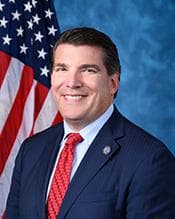
Jay Obernolte
Republican Representative
California
Cosponsors (7)
Judiciary Committee
- Introduced
- In Committee
- On Floor
- Passed Chamber
- Enacted
The Prison Staffing Reform Act of 2025 addresses critical understaffing issues within the Bureau of Prisons (BOP), recognizing that current conditions jeopardize the health, safety, and well-being of both staff and inmates. Congress finds that understaffing leads to inadequate medical care, limited access to vital recidivism reduction programs, and increased risks of abuse for inmates. For employees, it results in reduced safety, escalated workplace stress, and unacceptably long work shifts, ultimately threatening overall prison security and public safety. The bill directs the Director of the Bureau of Prisons to complete a thorough external review of staffing within 180 days of enactment. This review, conducted by a non-BOP organization in consultation with various stakeholders including civil rights and recidivism reduction groups, must analyze the impact of understaffing on inmate care, programming access, and staff working conditions. It also requires an independent review of medical care adequacy by an organization like the National Academy of Medicine. Following the review, the Director must submit a comprehensive plan to Congress and the Council of Prison Locals C-33. This plan will outline strategies for recruiting job applicants, filling vacancies, reducing mandated overtime , and strengthening overall staffing across the BOP. It must also include detailed guidelines for staffing requirements, specifying the number of correctional officers and non-correctional staff needed per inmate, disaggregated by various factors. The Director is then required to implement this plan within three years, subject to appropriations, and provide annual progress reports.
View Full TextSuggested Questions
Get AI-generated questions to help you understand this bill better
Timeline
Introduced in House
Referred to the House Committee on the Judiciary.
Crime and Law Enforcement
Prison Staffing Reform Act of 2025
USA119th CongressHR-2879| House
| Updated: 4/10/2025
The Prison Staffing Reform Act of 2025 addresses critical understaffing issues within the Bureau of Prisons (BOP), recognizing that current conditions jeopardize the health, safety, and well-being of both staff and inmates. Congress finds that understaffing leads to inadequate medical care, limited access to vital recidivism reduction programs, and increased risks of abuse for inmates. For employees, it results in reduced safety, escalated workplace stress, and unacceptably long work shifts, ultimately threatening overall prison security and public safety. The bill directs the Director of the Bureau of Prisons to complete a thorough external review of staffing within 180 days of enactment. This review, conducted by a non-BOP organization in consultation with various stakeholders including civil rights and recidivism reduction groups, must analyze the impact of understaffing on inmate care, programming access, and staff working conditions. It also requires an independent review of medical care adequacy by an organization like the National Academy of Medicine. Following the review, the Director must submit a comprehensive plan to Congress and the Council of Prison Locals C-33. This plan will outline strategies for recruiting job applicants, filling vacancies, reducing mandated overtime , and strengthening overall staffing across the BOP. It must also include detailed guidelines for staffing requirements, specifying the number of correctional officers and non-correctional staff needed per inmate, disaggregated by various factors. The Director is then required to implement this plan within three years, subject to appropriations, and provide annual progress reports.
View Full TextSuggested Questions
Get AI-generated questions to help you understand this bill better
Timeline
Introduced in House
Referred to the House Committee on the Judiciary.
Jay Obernolte
Republican Representative
California
Cosponsors (7)
Judiciary Committee
Crime and Law Enforcement
- Introduced
- In Committee
- On Floor
- Passed Chamber
- Enacted