Addressing Boarding and Crowding in the Emergency Department
USA119th CongressHR-2936| House
| Updated: 4/17/2025
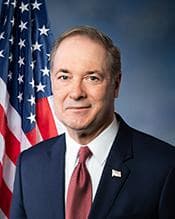
John Joyce
Republican Representative
Pennsylvania
Cosponsors (15)
Ritchie Torres (Democratic)Darren Soto (Democratic)Eugene Simon Vindman (Democratic)Debbie Dingell (Democratic)Donald G. Davis (Democratic)Earl L. "Buddy" Carter (Republican)Jake Auchincloss (Democratic)Doris O. Matsui (Democratic)Joe Neguse (Democratic)Mark E. Amodei (Republican)Sarah McBride (Democratic)Jay Obernolte (Republican)Deborah K. Ross (Democratic)Jason Crow (Democratic)Rashida Tlaib (Democratic)
Ways and Means Committee, Energy and Commerce Committee
- Introduced
- In Committee
- On Floor
- Passed Chamber
- Enacted
The "Addressing Boarding and Crowding in the Emergency Department Act of 2025" amends the Public Health Service Act to expand the allowable uses of public health data modernization grants. These grants can now be utilized to develop State- or region-wide, real-time systems for tracking hospital bed capacity and its impact on emergency department boarding rates, wait times, and emergency medical services personnel offload times. The bill also requires the establishment of a public-facing dashboard to display this critical information, ensuring appropriate privacy safeguards. Furthermore, this legislation directs the Center for Medicare and Medicaid Innovation (CMMI) to develop and test new models aimed at improving emergency care for specific populations. These models will focus on enhancing care for older adults , addressing staffing, infrastructure, geriatric protocols, and coordination with post-acute care facilities. CMMI will also implement models to improve emergency care for individuals experiencing acute psychiatric crises , including dedicated units and expedited transfers. Finally, the bill mandates a study by the Comptroller General on best practices for hospital capacity tracking systems and their effects on emergency department efficiency, with a report to Congress due within one year.
View Full TextSuggested Questions
Get AI-generated questions to help you understand this bill better
Timeline
Introduced in House
Referred to the Committee on Energy and Commerce, and in addition to the Committee on Ways and Means, for a period to be subsequently determined by the Speaker, in each case for consideration of such provisions as fall within the jurisdiction of the committee concerned.
Health
Addressing Boarding and Crowding in the Emergency Department
USA119th CongressHR-2936| House
| Updated: 4/17/2025
The "Addressing Boarding and Crowding in the Emergency Department Act of 2025" amends the Public Health Service Act to expand the allowable uses of public health data modernization grants. These grants can now be utilized to develop State- or region-wide, real-time systems for tracking hospital bed capacity and its impact on emergency department boarding rates, wait times, and emergency medical services personnel offload times. The bill also requires the establishment of a public-facing dashboard to display this critical information, ensuring appropriate privacy safeguards. Furthermore, this legislation directs the Center for Medicare and Medicaid Innovation (CMMI) to develop and test new models aimed at improving emergency care for specific populations. These models will focus on enhancing care for older adults , addressing staffing, infrastructure, geriatric protocols, and coordination with post-acute care facilities. CMMI will also implement models to improve emergency care for individuals experiencing acute psychiatric crises , including dedicated units and expedited transfers. Finally, the bill mandates a study by the Comptroller General on best practices for hospital capacity tracking systems and their effects on emergency department efficiency, with a report to Congress due within one year.
View Full TextSuggested Questions
Get AI-generated questions to help you understand this bill better
Timeline
Introduced in House
Referred to the Committee on Energy and Commerce, and in addition to the Committee on Ways and Means, for a period to be subsequently determined by the Speaker, in each case for consideration of such provisions as fall within the jurisdiction of the committee concerned.
John Joyce
Republican Representative
Pennsylvania
Cosponsors (15)
Ritchie Torres (Democratic)Darren Soto (Democratic)Eugene Simon Vindman (Democratic)Debbie Dingell (Democratic)Donald G. Davis (Democratic)Earl L. "Buddy" Carter (Republican)Jake Auchincloss (Democratic)Doris O. Matsui (Democratic)Joe Neguse (Democratic)Mark E. Amodei (Republican)Sarah McBride (Democratic)Jay Obernolte (Republican)Deborah K. Ross (Democratic)Jason Crow (Democratic)Rashida Tlaib (Democratic)
Ways and Means Committee, Energy and Commerce Committee
Health
Related Bills
- Introduced
- In Committee
- On Floor
- Passed Chamber
- Enacted