Ocean Regional Opportunity and Innovation Act of 2025
USA119th CongressHR-3048| House
| Updated: 4/28/2025
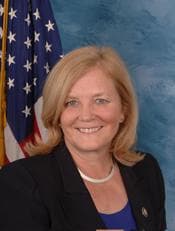
Chellie Pingree
Democratic Representative
Maine
Cosponsors (9)
Committees (6)
• Transportation and Infrastructure Committee• Financial Services Committee• Economic Development, Public Buildings, and Emergency Management Subcommittee• Science, Space, and Technology Committee• Coast Guard and Maritime Transportation Subcommittee• Natural Resources Committee
- Introduced
- In Committee
- On Floor
- Passed Chamber
- Enacted
The Ocean Regional Opportunity and Innovation Act of 2025 aims to establish Ocean Innovation Clusters across the United States to bolster the nation's ocean economy and coastal communities. This initiative seeks to achieve its goals through enhanced technological research and development, specialized job training programs, and robust cross-sector partnerships. The Secretary of Commerce is mandated to designate at least seven such clusters within one year of the Act's enactment, ensuring broad geographic representation including the Great Lakes and Gulf of Mexico regions. These designated clusters will comprise various entities such as businesses, academic institutions, non-profits, and governmental bodies, led by a non-profit organization, all working to promote equitable and sustainable growth in the Blue Economy . The bill prioritizes entities with a proven track record in supporting this sector and considers factors like economic development potential, diverse population inclusion, and climate resilience. To facilitate collaboration, the Act also establishes Ocean Innovation Centers for Cross-Sector Collaboration , which are physical hubs managed by the clusters to support entrepreneurs and foster workforce development. The legislation outlines specific areas of focus for the clusters, including increasing pathways for new entrants, intellectual property management, enhancing seafood supply chain sustainability, and advancing ocean energy research. Federal agencies, including Sea Grant, NOAA, and the Economic Development Administration, will appoint liaisons to ensure direct communication and alignment with national objectives. Furthermore, the bill authorizes competitive grants of up to $10,000,000 per cluster for their operation and administration, with $10,000,000 appropriated annually from fiscal years 2026 through 2030, aiming for the clusters to become self-sustaining.
View Full TextSuggested Questions
Get AI-generated questions to help you understand this bill better
Timeline
Introduced in House
Referred to the Committee on Natural Resources, and in addition to the Committees on Transportation and Infrastructure, Science, Space, and Technology, and Financial Services, for a period to be subsequently determined by the Speaker, in each case for consideration of such provisions as fall within the jurisdiction of the committee concerned.
Referred to the Subcommittee on Coast Guard and Maritime Transportation.
Referred to the Subcommittee on Economic Development, Public Buildings, and Emergency Management.
Public Lands and Natural Resources
Ocean Regional Opportunity and Innovation Act of 2025
USA119th CongressHR-3048| House
| Updated: 4/28/2025
The Ocean Regional Opportunity and Innovation Act of 2025 aims to establish Ocean Innovation Clusters across the United States to bolster the nation's ocean economy and coastal communities. This initiative seeks to achieve its goals through enhanced technological research and development, specialized job training programs, and robust cross-sector partnerships. The Secretary of Commerce is mandated to designate at least seven such clusters within one year of the Act's enactment, ensuring broad geographic representation including the Great Lakes and Gulf of Mexico regions. These designated clusters will comprise various entities such as businesses, academic institutions, non-profits, and governmental bodies, led by a non-profit organization, all working to promote equitable and sustainable growth in the Blue Economy . The bill prioritizes entities with a proven track record in supporting this sector and considers factors like economic development potential, diverse population inclusion, and climate resilience. To facilitate collaboration, the Act also establishes Ocean Innovation Centers for Cross-Sector Collaboration , which are physical hubs managed by the clusters to support entrepreneurs and foster workforce development. The legislation outlines specific areas of focus for the clusters, including increasing pathways for new entrants, intellectual property management, enhancing seafood supply chain sustainability, and advancing ocean energy research. Federal agencies, including Sea Grant, NOAA, and the Economic Development Administration, will appoint liaisons to ensure direct communication and alignment with national objectives. Furthermore, the bill authorizes competitive grants of up to $10,000,000 per cluster for their operation and administration, with $10,000,000 appropriated annually from fiscal years 2026 through 2030, aiming for the clusters to become self-sustaining.
View Full TextSuggested Questions
Get AI-generated questions to help you understand this bill better
Timeline
Introduced in House
Referred to the Committee on Natural Resources, and in addition to the Committees on Transportation and Infrastructure, Science, Space, and Technology, and Financial Services, for a period to be subsequently determined by the Speaker, in each case for consideration of such provisions as fall within the jurisdiction of the committee concerned.
Referred to the Subcommittee on Coast Guard and Maritime Transportation.
Referred to the Subcommittee on Economic Development, Public Buildings, and Emergency Management.
Chellie Pingree
Democratic Representative
Maine
Cosponsors (9)
Committees (6)
• Transportation and Infrastructure Committee• Financial Services Committee• Economic Development, Public Buildings, and Emergency Management Subcommittee• Science, Space, and Technology Committee• Coast Guard and Maritime Transportation Subcommittee• Natural Resources Committee
Public Lands and Natural Resources
- Introduced
- In Committee
- On Floor
- Passed Chamber
- Enacted