STOP Health Threats Act
USA119th CongressHR-3099| House
| Updated: 4/30/2025
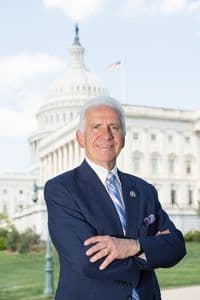
Jim Costa
Democratic Representative
California
Cosponsors (3)
Transportation and Infrastructure Committee, Economic Development, Public Buildings, and Emergency Management Subcommittee
- Introduced
- In Committee
- On Floor
- Passed Chamber
- Enacted
The "STOP Health Threats Act" directs the Secretary of Health and Human Services to award grants to local governments, in consultation with the Secretary of Housing and Urban Development and other relevant agencies. The primary purpose of these grants is to fund the training of local enforcement officers to recognize and respond to public health threats arising from violations of building codes . Local governments receiving these grants must use the funds to develop and implement training programs, which can include partnering with other local governments for collaborative training initiatives. They are also required to coordinate with federal, state, and local agencies, such as public health departments, or non-governmental organizations with relevant expertise. Priority for grant awards will be given to applicants demonstrating strong capacity to provide the training and to areas where public health threats have already been identified.
View Full TextSuggested Questions
Get AI-generated questions to help you understand this bill better
Timeline
Introduced in House
Referred to the House Committee on Transportation and Infrastructure.
Referred to the Subcommittee on Economic Development, Public Buildings, and Emergency Management.
Health
STOP Health Threats Act
USA119th CongressHR-3099| House
| Updated: 4/30/2025
The "STOP Health Threats Act" directs the Secretary of Health and Human Services to award grants to local governments, in consultation with the Secretary of Housing and Urban Development and other relevant agencies. The primary purpose of these grants is to fund the training of local enforcement officers to recognize and respond to public health threats arising from violations of building codes . Local governments receiving these grants must use the funds to develop and implement training programs, which can include partnering with other local governments for collaborative training initiatives. They are also required to coordinate with federal, state, and local agencies, such as public health departments, or non-governmental organizations with relevant expertise. Priority for grant awards will be given to applicants demonstrating strong capacity to provide the training and to areas where public health threats have already been identified.
View Full TextSuggested Questions
Get AI-generated questions to help you understand this bill better
Timeline
Introduced in House
Referred to the House Committee on Transportation and Infrastructure.
Referred to the Subcommittee on Economic Development, Public Buildings, and Emergency Management.
Jim Costa
Democratic Representative
California
Cosponsors (3)
Transportation and Infrastructure Committee, Economic Development, Public Buildings, and Emergency Management Subcommittee
Health
- Introduced
- In Committee
- On Floor
- Passed Chamber
- Enacted