SBIR/STTR Reauthorization Act of 2025
USA119th CongressHR-3169| House
| Updated: 5/1/2025
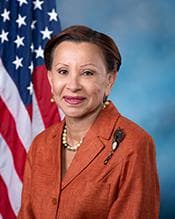
Nydia M. Velázquez
Democratic Representative
New York
Small Business Committee, Science, Space, and Technology Committee
- Introduced
- In Committee
- On Floor
- Passed Chamber
- Enacted
The "SBIR/STTR Reauthorization Act of 2025" aims to reauthorize and substantially enhance the Small Business Innovation Research (SBIR) and Small Business Technology Transfer (STTR) programs. This legislation extends the core authority for both programs indefinitely and prolongs the Federal and State Technology (FAST) program until September 30, 2030, ensuring continued support for small business innovation. To foster greater competition and participation, the bill mandates a gradual increase in the percentage of federal agency budgets allocated to these programs, reaching 7 percent for SBIR and 1 percent for STTR by fiscal year 2032. Federal agencies are now authorized to offer grants for fellowship and internship opportunities at small businesses that have received Phase II awards, with a specific focus on enhanced outreach to women and socially or economically disadvantaged individuals. Furthermore, the bill expands application assistance to broaden participation, particularly targeting states with historically low award levels and institutions like minority and Hispanic-serving institutions. Improvements to technical and business assistance (TBA) include allowing award recipients to select their own TBA vendors and incorporating cybersecurity assistance into the services offered. The maximum funding for TBA is increased to $6,500 for Phase I and $50,000 for Phase II projects, and agencies must offer participation in Innovation Corps (I-Corps) training programs. Transparency is also enhanced by requiring public websites and databases to detail information about research institutions subcontracted by award recipients, including their type and specific designations. Commercialization efforts are bolstered through new provisions, such as mandatory training for federal contracting officers on Phase III acquisitions and data rights. Each federal agency must designate a Technology Commercialization Official to guide award recipients, coordinate with other agencies, and advocate for the transition of technologies to Phase III. Additionally, the bill directs Procurement Center Representatives to actively promote the use of Phase III awards and requires agencies to develop simplified procedures and standardized contract clauses for all phases. Several pilot programs are extended until September 30, 2030, including assistance for administrative costs, the direct to Phase II authority (now expanded to all agencies with SBIR programs), and the commercialization readiness program for civilian agencies. The bill also extends the due diligence program designed to assess security risks. New oversight and simplification initiatives include requiring annual reports to Congress from federal agencies, which must also be published online. The Comptroller General is mandated to produce a comprehensive report on program effectiveness, focusing on participant diversification and commercialization outcomes. A pilot program is established at the National Institutes of Health to accelerate the award evaluation process, aiming for a 90-day turnaround. Crucially, the legislation codifies safeguards prohibiting SBIR awards to small businesses majority-owned by venture capital, hedge funds, or private equity firms if they are determined to be controlled by a "covered foreign entity," which includes foreign governments and entities posing national security risks. Finally, an annual commercialization impact assessment will track various metrics, such as federal awards, revenue from SBIR/STTR products, and additional investments, to measure the long-term success of award recipients.
View Full TextSuggested Questions
Get AI-generated questions to help you understand this bill better
Timeline
Introduced in House
Referred to the Committee on Small Business, and in addition to the Committee on Science, Space, and Technology, for a period to be subsequently determined by the Speaker, in each case for consideration of such provisions as fall within the jurisdiction of the committee concerned.
Commerce
SBIR/STTR Reauthorization Act of 2025
USA119th CongressHR-3169| House
| Updated: 5/1/2025
The "SBIR/STTR Reauthorization Act of 2025" aims to reauthorize and substantially enhance the Small Business Innovation Research (SBIR) and Small Business Technology Transfer (STTR) programs. This legislation extends the core authority for both programs indefinitely and prolongs the Federal and State Technology (FAST) program until September 30, 2030, ensuring continued support for small business innovation. To foster greater competition and participation, the bill mandates a gradual increase in the percentage of federal agency budgets allocated to these programs, reaching 7 percent for SBIR and 1 percent for STTR by fiscal year 2032. Federal agencies are now authorized to offer grants for fellowship and internship opportunities at small businesses that have received Phase II awards, with a specific focus on enhanced outreach to women and socially or economically disadvantaged individuals. Furthermore, the bill expands application assistance to broaden participation, particularly targeting states with historically low award levels and institutions like minority and Hispanic-serving institutions. Improvements to technical and business assistance (TBA) include allowing award recipients to select their own TBA vendors and incorporating cybersecurity assistance into the services offered. The maximum funding for TBA is increased to $6,500 for Phase I and $50,000 for Phase II projects, and agencies must offer participation in Innovation Corps (I-Corps) training programs. Transparency is also enhanced by requiring public websites and databases to detail information about research institutions subcontracted by award recipients, including their type and specific designations. Commercialization efforts are bolstered through new provisions, such as mandatory training for federal contracting officers on Phase III acquisitions and data rights. Each federal agency must designate a Technology Commercialization Official to guide award recipients, coordinate with other agencies, and advocate for the transition of technologies to Phase III. Additionally, the bill directs Procurement Center Representatives to actively promote the use of Phase III awards and requires agencies to develop simplified procedures and standardized contract clauses for all phases. Several pilot programs are extended until September 30, 2030, including assistance for administrative costs, the direct to Phase II authority (now expanded to all agencies with SBIR programs), and the commercialization readiness program for civilian agencies. The bill also extends the due diligence program designed to assess security risks. New oversight and simplification initiatives include requiring annual reports to Congress from federal agencies, which must also be published online. The Comptroller General is mandated to produce a comprehensive report on program effectiveness, focusing on participant diversification and commercialization outcomes. A pilot program is established at the National Institutes of Health to accelerate the award evaluation process, aiming for a 90-day turnaround. Crucially, the legislation codifies safeguards prohibiting SBIR awards to small businesses majority-owned by venture capital, hedge funds, or private equity firms if they are determined to be controlled by a "covered foreign entity," which includes foreign governments and entities posing national security risks. Finally, an annual commercialization impact assessment will track various metrics, such as federal awards, revenue from SBIR/STTR products, and additional investments, to measure the long-term success of award recipients.
View Full TextSuggested Questions
Get AI-generated questions to help you understand this bill better
Timeline
Introduced in House
Referred to the Committee on Small Business, and in addition to the Committee on Science, Space, and Technology, for a period to be subsequently determined by the Speaker, in each case for consideration of such provisions as fall within the jurisdiction of the committee concerned.
Nydia M. Velázquez
Democratic Representative
New York
Small Business Committee, Science, Space, and Technology Committee
Commerce
Related Bills
- HR 119-4775: SBIR/STTR Foreign Interference Safeguard Act
- HR 119-5001: SBIR/STTR Oversight Act
- S 119-1573: SBIR/STTR Reauthorization Act of 2025
- HR 119-5212: SBIR/STTR Innovation Workforce Act
- HR 119-4520: SBIR/STTR Application Assistance Act
- HR 119-3851: SBIR/STTR Pilot Extension Act
- HR 119-7217: SBIR Administrative Funding Act
- HR 119-4842: SBIR Commercialization Improvement Act
- HR 119-3953: SBIR/STTR Website Improvement Act
- Introduced
- In Committee
- On Floor
- Passed Chamber
- Enacted