Law Enforcement Officers Equity Act
USA119th CongressHR-3226| House
| Updated: 5/7/2025
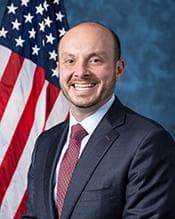
Andrew R. Garbarino
Republican Representative
New York
Cosponsors (61)
Dwight Evans (Democratic)Donald Norcross (Democratic)Marcy Kaptur (Democratic)Chris Pappas (Democratic)Mikie Sherrill (Democratic)Robert Garcia (Democratic)Marie Gluesenkamp Perez (Democratic)Mark Pocan (Democratic)Gabe Vasquez (Democratic)Christopher R. Deluzio (Democratic)Chrissy Houlahan (Democratic)Lance Gooden (Republican)Sanford D. Bishop (Democratic)Greg Landsman (Democratic)Laura Gillen (Democratic)Eugene Simon Vindman (Democratic)Suzan K. DelBene (Democratic)Scott H. Peters (Democratic)Sarah Elfreth (Democratic)Andrea Salinas (Democratic)Paul Tonko (Democratic)Donald G. Davis (Democratic)Dave Min (Democratic)Greg Stanton (Democratic)Thomas H. Kean (Republican)Derek Tran (Democratic)Sheila Cherfilus-McCormick (Democratic)Daniel Meuser (Republican)Al Green (Democratic)Don Bacon (Republican)Nikki Budzinski (Democratic)Andy Barr (Republican)Christopher H. Smith (Republican)Stephen F. Lynch (Democratic)Jill N. Tokuda (Democratic)Raja Krishnamoorthi (Democratic)Josh Harder (Democratic)John H. Rutherford (Republican)Eleanor Holmes Norton (Democratic)Val T. Hoyle (Democratic)Sharice Davids (Democratic)Brad Sherman (Democratic)Henry Cuellar (Democratic)Timothy M. Kennedy (Democratic)Josh Riley (Democratic)Lois Frankel (Democratic)Tony Gonzales (Republican)Mike Bost (Republican)Pete Stauber (Republican)Michael R. Turner (Republican)Julia Brownley (Democratic)Derrick Van Orden (Republican)Brian K. Fitzpatrick (Republican)Josh Gottheimer (Democratic)Michael Lawler (Republican)Robert P. Bresnahan (Republican)Debbie Wasserman Schultz (Democratic)Gerald E. Connolly (Democratic)Jennifer A. Kiggans (Republican)Mike Levin (Democratic)Nicole Malliotakis (Republican)
Oversight and Government Reform Committee
- Introduced
- In Committee
- On Floor
- Passed Chamber
- Enacted
The "Law Enforcement Officers Equity Act" expands the definition of "law enforcement officer" for federal retirement purposes under both the Federal Employees Retirement System (FERS) and the Civil Service Retirement System (CSRS). This expansion includes a general category for employees whose duties involve investigating or apprehending individuals suspected of federal crimes and who are authorized to carry a firearm. It also specifically designates employees from the Internal Revenue Service primarily engaged in collecting delinquent taxes or securing delinquent returns, along with employees of the United States Postal Inspection Service and Department of Veterans Affairs police officers . Further additions to the definition encompass U.S. Customs and Border Protection seized property specialists (GS-1801 series) whose responsibilities include the custody, management, and disposition of seized and forfeited property. These amendments apply to individuals newly appointed on or after the enactment date, as well as to current employees, referred to as incumbents . For incumbents, service performed after the bill's enactment will automatically be treated as law enforcement officer service, but prior service requires a written election to the Office of Personnel Management Director within five years or before separation. If an incumbent elects to include prior service, they may pay a deposit covering the difference in retirement contributions, plus interest, that would have been made under the new classification. Agencies that previously employed these incumbents during their prior service are also required to remit the corresponding government contributions, plus interest, to the Civil Service Retirement and Disability Fund, paid ratably over a 10-year period. Additionally, a significant provision of the Act grants a three-year exemption from mandatory separation for these newly designated law enforcement officers, starting from the date of enactment, and the Director of the Office of Personnel Management is tasked with prescribing regulations to implement these changes.
View Full TextSuggested Questions
Get AI-generated questions to help you understand this bill better
Timeline
Introduced in House
Referred to the House Committee on Oversight and Government Reform.
Government Operations and Politics
Law Enforcement Officers Equity Act
USA119th CongressHR-3226| House
| Updated: 5/7/2025
The "Law Enforcement Officers Equity Act" expands the definition of "law enforcement officer" for federal retirement purposes under both the Federal Employees Retirement System (FERS) and the Civil Service Retirement System (CSRS). This expansion includes a general category for employees whose duties involve investigating or apprehending individuals suspected of federal crimes and who are authorized to carry a firearm. It also specifically designates employees from the Internal Revenue Service primarily engaged in collecting delinquent taxes or securing delinquent returns, along with employees of the United States Postal Inspection Service and Department of Veterans Affairs police officers . Further additions to the definition encompass U.S. Customs and Border Protection seized property specialists (GS-1801 series) whose responsibilities include the custody, management, and disposition of seized and forfeited property. These amendments apply to individuals newly appointed on or after the enactment date, as well as to current employees, referred to as incumbents . For incumbents, service performed after the bill's enactment will automatically be treated as law enforcement officer service, but prior service requires a written election to the Office of Personnel Management Director within five years or before separation. If an incumbent elects to include prior service, they may pay a deposit covering the difference in retirement contributions, plus interest, that would have been made under the new classification. Agencies that previously employed these incumbents during their prior service are also required to remit the corresponding government contributions, plus interest, to the Civil Service Retirement and Disability Fund, paid ratably over a 10-year period. Additionally, a significant provision of the Act grants a three-year exemption from mandatory separation for these newly designated law enforcement officers, starting from the date of enactment, and the Director of the Office of Personnel Management is tasked with prescribing regulations to implement these changes.
View Full TextSuggested Questions
Get AI-generated questions to help you understand this bill better
Timeline
Introduced in House
Referred to the House Committee on Oversight and Government Reform.
Andrew R. Garbarino
Republican Representative
New York
Cosponsors (61)
Dwight Evans (Democratic)Donald Norcross (Democratic)Marcy Kaptur (Democratic)Chris Pappas (Democratic)Mikie Sherrill (Democratic)Robert Garcia (Democratic)Marie Gluesenkamp Perez (Democratic)Mark Pocan (Democratic)Gabe Vasquez (Democratic)Christopher R. Deluzio (Democratic)Chrissy Houlahan (Democratic)Lance Gooden (Republican)Sanford D. Bishop (Democratic)Greg Landsman (Democratic)Laura Gillen (Democratic)Eugene Simon Vindman (Democratic)Suzan K. DelBene (Democratic)Scott H. Peters (Democratic)Sarah Elfreth (Democratic)Andrea Salinas (Democratic)Paul Tonko (Democratic)Donald G. Davis (Democratic)Dave Min (Democratic)Greg Stanton (Democratic)Thomas H. Kean (Republican)Derek Tran (Democratic)Sheila Cherfilus-McCormick (Democratic)Daniel Meuser (Republican)Al Green (Democratic)Don Bacon (Republican)Nikki Budzinski (Democratic)Andy Barr (Republican)Christopher H. Smith (Republican)Stephen F. Lynch (Democratic)Jill N. Tokuda (Democratic)Raja Krishnamoorthi (Democratic)Josh Harder (Democratic)John H. Rutherford (Republican)Eleanor Holmes Norton (Democratic)Val T. Hoyle (Democratic)Sharice Davids (Democratic)Brad Sherman (Democratic)Henry Cuellar (Democratic)Timothy M. Kennedy (Democratic)Josh Riley (Democratic)Lois Frankel (Democratic)Tony Gonzales (Republican)Mike Bost (Republican)Pete Stauber (Republican)Michael R. Turner (Republican)Julia Brownley (Democratic)Derrick Van Orden (Republican)Brian K. Fitzpatrick (Republican)Josh Gottheimer (Democratic)Michael Lawler (Republican)Robert P. Bresnahan (Republican)Debbie Wasserman Schultz (Democratic)Gerald E. Connolly (Democratic)Jennifer A. Kiggans (Republican)Mike Levin (Democratic)Nicole Malliotakis (Republican)
Oversight and Government Reform Committee
Government Operations and Politics
- Introduced
- In Committee
- On Floor
- Passed Chamber
- Enacted