Air Traffic Control Workforce Development Act of 2025
USA119th CongressHR-3270| House
| Updated: 5/8/2025
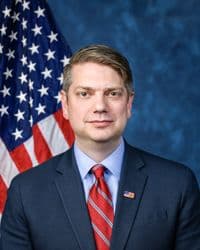
Nicholas J. Begich
Republican Representative
Alaska
Cosponsors (31)
Adrian Smith (Republican)Chris Pappas (Democratic)Kimberlyn King-Hinds (Republican)David J. Taylor (Republican)Laura Gillen (Democratic)Kristen McDonald Rivet (Democratic)Eugene Simon Vindman (Democratic)Dina Titus (Democratic)Donald G. Davis (Democratic)Dave Min (Democratic)Greg Stanton (Democratic)George Latimer (Democratic)Don Bacon (Republican)Christopher H. Smith (Republican)Hillary J. Scholten (Democratic)Jerrold Nadler (Democratic)Sharice Davids (Democratic)Salud O. Carbajal (Democratic)Josh Riley (Democratic)Pete Stauber (Republican)Michael R. Turner (Republican)Maggie Goodlander (Democratic)Sarah McBride (Democratic)Brian K. Fitzpatrick (Republican)Seth Moulton (Democratic)Michael Lawler (Republican)Nick LaLota (Republican)Tracey Mann (Republican)Julie Fedorchak (Republican)Jennifer A. Kiggans (Republican)Craig A. Goldman (Republican)
Transportation and Infrastructure Committee, Oversight and Government Reform Committee, Aviation Subcommittee
- Introduced
- In Committee
- On Floor
- Passed Chamber
- Enacted
This legislation, titled the "Air Traffic Control Workforce Development Act of 2025," seeks to significantly enhance the Federal Aviation Administration's (FAA) air traffic controller training programs. It strengthens the Collegiate Training Initiative (CTI) and Enhanced-CTI programs, allowing for new agreements with higher education institutions to prepare students for air traffic controller positions. Graduates of these programs may be appointed non-competitively to excepted service positions, with the potential for conversion to competitive civil service upon achieving full performance level. The bill establishes a new Enhanced-CTI grant program , authorizing $20,000,000 annually for fiscal years 2026 through 2031, to support institutions in developing curriculum, providing faculty and simulators, and covering other necessary supplies. It also amends existing law to include CTI instructors for annuity supplements, recognizing their critical role. Furthermore, the legislation mandates an Aviation Rulemaking Committee to review and recommend improvements for the curricula of the FAA Academy, CTI programs, and the Air Traffic Skills Assessment (ATSA) exam, considering advancements in education technology and instructional techniques. To further support the air traffic control workforce, the bill authorizes $20,000,000 annually for fiscal years 2026 through 2031 for FAA facility training equipment improvements . It also directs the Secretary of Transportation to establish qualification incentive programs for air traffic controller trainees and retention bonuses for Certified Professional Controllers. Finally, the legislation requires the FAA Administrator to establish a training course for mental health providers and Aviation Medical Examiners to better support air traffic controllers' mental health and mandates a report on the status and funding needs of the Airport Non-cooperative Surveillance Radar (ANSR) program.
Suggested Questions
Get AI-generated questions to help you understand this bill better
Timeline
Introduced in House
Referred to the Committee on Transportation and Infrastructure, and in addition to the Committee on Oversight and Government Reform, for a period to be subsequently determined by the Speaker, in each case for consideration of such provisions as fall within the jurisdiction of the committee concerned.
Referred to the Subcommittee on Aviation.
Transportation and Public Works
Air Traffic Control Workforce Development Act of 2025
USA119th CongressHR-3270| House
| Updated: 5/8/2025
This legislation, titled the "Air Traffic Control Workforce Development Act of 2025," seeks to significantly enhance the Federal Aviation Administration's (FAA) air traffic controller training programs. It strengthens the Collegiate Training Initiative (CTI) and Enhanced-CTI programs, allowing for new agreements with higher education institutions to prepare students for air traffic controller positions. Graduates of these programs may be appointed non-competitively to excepted service positions, with the potential for conversion to competitive civil service upon achieving full performance level. The bill establishes a new Enhanced-CTI grant program , authorizing $20,000,000 annually for fiscal years 2026 through 2031, to support institutions in developing curriculum, providing faculty and simulators, and covering other necessary supplies. It also amends existing law to include CTI instructors for annuity supplements, recognizing their critical role. Furthermore, the legislation mandates an Aviation Rulemaking Committee to review and recommend improvements for the curricula of the FAA Academy, CTI programs, and the Air Traffic Skills Assessment (ATSA) exam, considering advancements in education technology and instructional techniques. To further support the air traffic control workforce, the bill authorizes $20,000,000 annually for fiscal years 2026 through 2031 for FAA facility training equipment improvements . It also directs the Secretary of Transportation to establish qualification incentive programs for air traffic controller trainees and retention bonuses for Certified Professional Controllers. Finally, the legislation requires the FAA Administrator to establish a training course for mental health providers and Aviation Medical Examiners to better support air traffic controllers' mental health and mandates a report on the status and funding needs of the Airport Non-cooperative Surveillance Radar (ANSR) program.
Suggested Questions
Get AI-generated questions to help you understand this bill better
Timeline
Introduced in House
Referred to the Committee on Transportation and Infrastructure, and in addition to the Committee on Oversight and Government Reform, for a period to be subsequently determined by the Speaker, in each case for consideration of such provisions as fall within the jurisdiction of the committee concerned.
Referred to the Subcommittee on Aviation.
Nicholas J. Begich
Republican Representative
Alaska
Cosponsors (31)
Adrian Smith (Republican)Chris Pappas (Democratic)Kimberlyn King-Hinds (Republican)David J. Taylor (Republican)Laura Gillen (Democratic)Kristen McDonald Rivet (Democratic)Eugene Simon Vindman (Democratic)Dina Titus (Democratic)Donald G. Davis (Democratic)Dave Min (Democratic)Greg Stanton (Democratic)George Latimer (Democratic)Don Bacon (Republican)Christopher H. Smith (Republican)Hillary J. Scholten (Democratic)Jerrold Nadler (Democratic)Sharice Davids (Democratic)Salud O. Carbajal (Democratic)Josh Riley (Democratic)Pete Stauber (Republican)Michael R. Turner (Republican)Maggie Goodlander (Democratic)Sarah McBride (Democratic)Brian K. Fitzpatrick (Republican)Seth Moulton (Democratic)Michael Lawler (Republican)Nick LaLota (Republican)Tracey Mann (Republican)Julie Fedorchak (Republican)Jennifer A. Kiggans (Republican)Craig A. Goldman (Republican)
Transportation and Infrastructure Committee, Oversight and Government Reform Committee, Aviation Subcommittee
Transportation and Public Works
- Introduced
- In Committee
- On Floor
- Passed Chamber
- Enacted