Stop Mental Health Stigma in Our Communities Act of 2025
USA119th CongressHR-3316| House
| Updated: 5/9/2025
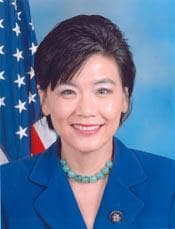
Judy Chu
Democratic Representative
California
Cosponsors (21)
Ed Case (Democratic)Suzan K. DelBene (Democratic)Paul Tonko (Democratic)Shri Thanedar (Democratic)Ted Lieu (Democratic)Derek Tran (Democratic)Al Green (Democratic)Jill N. Tokuda (Democratic)Marilyn Strickland (Democratic)Daniel S. Goldman (Democratic)Jerrold Nadler (Democratic)Mark Takano (Democratic)Pramila Jayapal (Democratic)Kathy Castor (Democratic)Eleanor Holmes Norton (Democratic)Bonnie Watson Coleman (Democratic)Lateefah Simon (Democratic)Yvette D. Clarke (Democratic)Nanette Diaz Barragán (Democratic)Kevin Mullin (Democratic)Grace Meng (Democratic)
Energy and Commerce Committee
- Introduced
- In Committee
- On Floor
- Passed Chamber
- Enacted
The bill mandates the development and implementation of a national outreach and education strategy to promote behavioral health and reduce stigma within the Asian American, Native Hawaiian, and Pacific Islander (AANHPI) population. This strategy, led by the Secretary of Health and Human Services, must be culturally and linguistically appropriate, age-appropriate, and designed to increase awareness of mental illness symptoms. It will also provide information on evidence-based treatments and engage community members, aiming for a comprehensive public health approach. Annual reports to Congress will assess the strategy's effectiveness, with $3 million authorized annually for fiscal years 2026 through 2030. Additionally, the legislation requires two systematic reviews and corresponding reports. One review will focus on the AANHPI youth behavioral health crisis , assessing prevalence, risk factors, and root causes of mental health challenges, substance misuse, and suicide. The other review will examine strategies to address the AANHPI behavioral health workforce shortage , including the number of AANHPI workers, their capabilities, and barriers to entering the profession. Both reviews require data disaggregation and will result in reports to Congress identifying barriers and recommending evidence-based, legislative, or administrative actions to improve behavioral health and workforce development, with $1.5 million authorized for each review in fiscal year 2026.
View Full TextSuggested Questions
Get AI-generated questions to help you understand this bill better
Timeline
Introduced in House
Referred to the House Committee on Energy and Commerce.
Health
Stop Mental Health Stigma in Our Communities Act of 2025
USA119th CongressHR-3316| House
| Updated: 5/9/2025
The bill mandates the development and implementation of a national outreach and education strategy to promote behavioral health and reduce stigma within the Asian American, Native Hawaiian, and Pacific Islander (AANHPI) population. This strategy, led by the Secretary of Health and Human Services, must be culturally and linguistically appropriate, age-appropriate, and designed to increase awareness of mental illness symptoms. It will also provide information on evidence-based treatments and engage community members, aiming for a comprehensive public health approach. Annual reports to Congress will assess the strategy's effectiveness, with $3 million authorized annually for fiscal years 2026 through 2030. Additionally, the legislation requires two systematic reviews and corresponding reports. One review will focus on the AANHPI youth behavioral health crisis , assessing prevalence, risk factors, and root causes of mental health challenges, substance misuse, and suicide. The other review will examine strategies to address the AANHPI behavioral health workforce shortage , including the number of AANHPI workers, their capabilities, and barriers to entering the profession. Both reviews require data disaggregation and will result in reports to Congress identifying barriers and recommending evidence-based, legislative, or administrative actions to improve behavioral health and workforce development, with $1.5 million authorized for each review in fiscal year 2026.
View Full TextSuggested Questions
Get AI-generated questions to help you understand this bill better
Timeline
Introduced in House
Referred to the House Committee on Energy and Commerce.
Judy Chu
Democratic Representative
California
Cosponsors (21)
Ed Case (Democratic)Suzan K. DelBene (Democratic)Paul Tonko (Democratic)Shri Thanedar (Democratic)Ted Lieu (Democratic)Derek Tran (Democratic)Al Green (Democratic)Jill N. Tokuda (Democratic)Marilyn Strickland (Democratic)Daniel S. Goldman (Democratic)Jerrold Nadler (Democratic)Mark Takano (Democratic)Pramila Jayapal (Democratic)Kathy Castor (Democratic)Eleanor Holmes Norton (Democratic)Bonnie Watson Coleman (Democratic)Lateefah Simon (Democratic)Yvette D. Clarke (Democratic)Nanette Diaz Barragán (Democratic)Kevin Mullin (Democratic)Grace Meng (Democratic)
Energy and Commerce Committee
Health
- Introduced
- In Committee
- On Floor
- Passed Chamber
- Enacted