Preserving Choice in Vehicle Purchases Act
USA119th CongressHR-346| House
| Updated: 1/13/2025
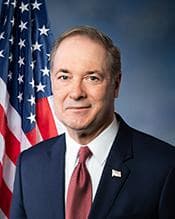
John Joyce
Republican Representative
Pennsylvania
Cosponsors (6)
Energy and Commerce Committee
- Introduced
- In Committee
- On Floor
- Passed Chamber
- Enacted
This bill, titled the "Preserving Choice in Vehicle Purchases Act," seeks to amend the Clean Air Act to prevent states from restricting the sale of new internal combustion engine vehicles. It specifically modifies Section 209(b) to add a new condition, stating that state standards cannot directly or indirectly limit the sale or use of new motor vehicles equipped with internal combustion engines, based on their definition as of January 1, 2023. Furthermore, the legislation stipulates that the Administrator of the Environmental Protection Agency (EPA) cannot deem state standards amended after the bill's enactment to be covered by waivers granted prior to its passage. Crucially, it mandates the revocation of any waivers granted by the EPA between January 1, 2022, and the bill's enactment date if those waivers are found to violate the new prohibition on limiting internal combustion engine sales. This measure aims to ensure that states cannot implement policies that phase out gasoline-powered vehicles.
Suggested Questions
Get AI-generated questions to help you understand this bill better
Timeline
Introduced in House
Referred to the House Committee on Energy and Commerce.
Sponsor introductory remarks on measure. (CR H96)
Environmental Protection
Preserving Choice in Vehicle Purchases Act
USA119th CongressHR-346| House
| Updated: 1/13/2025
This bill, titled the "Preserving Choice in Vehicle Purchases Act," seeks to amend the Clean Air Act to prevent states from restricting the sale of new internal combustion engine vehicles. It specifically modifies Section 209(b) to add a new condition, stating that state standards cannot directly or indirectly limit the sale or use of new motor vehicles equipped with internal combustion engines, based on their definition as of January 1, 2023. Furthermore, the legislation stipulates that the Administrator of the Environmental Protection Agency (EPA) cannot deem state standards amended after the bill's enactment to be covered by waivers granted prior to its passage. Crucially, it mandates the revocation of any waivers granted by the EPA between January 1, 2022, and the bill's enactment date if those waivers are found to violate the new prohibition on limiting internal combustion engine sales. This measure aims to ensure that states cannot implement policies that phase out gasoline-powered vehicles.
Suggested Questions
Get AI-generated questions to help you understand this bill better
Timeline
Introduced in House
Referred to the House Committee on Energy and Commerce.
Sponsor introductory remarks on measure. (CR H96)