Supreme Court Ethics, Recusal, and Transparency Act of 2025
USA119th CongressHR-3513| House
| Updated: 5/20/2025
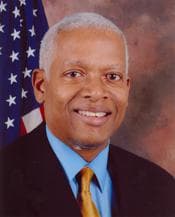
Henry C. "Hank" Johnson
Democratic Representative
Georgia
Cosponsors (59)
Dwight Evans (Democratic)Donald Norcross (Democratic)Nikema Williams (Democratic)Yassamin Ansari (Democratic)Becca Balint (Democratic)Mikie Sherrill (Democratic)Joyce Beatty (Democratic)Jennifer L. McClellan (Democratic)Bill Foster (Democratic)Juan Vargas (Democratic)Maxine Dexter (Democratic)Eric Swalwell (Democratic)Maxwell Frost (Democratic)Madeleine Dean (Democratic)Angie Craig (Democratic)Delia C. Ramirez (Democratic)Haley M. Stevens (Democratic)Dave Min (Democratic)Shri Thanedar (Democratic)Ted Lieu (Democratic)Greg Stanton (Democratic)Nikki Budzinski (Democratic)André Carson (Democratic)John B. Larson (Democratic)Mark DeSaulnier (Democratic)Jill N. Tokuda (Democratic)Hillary J. Scholten (Democratic)Marilyn Strickland (Democratic)Daniel S. Goldman (Democratic)Raja Krishnamoorthi (Democratic)Jerrold Nadler (Democratic)LaMonica McIver (Democratic)Eleanor Holmes Norton (Democratic)Val T. Hoyle (Democratic)Brad Sherman (Democratic)Mary Gay Scanlon (Democratic)Jamie Raskin (Democratic)Joe Neguse (Democratic)Mike Quigley (Democratic)Sean Casten (Democratic)Eric Sorensen (Democratic)Alexandria Ocasio-Cortez (Democratic)Summer L. Lee (Democratic)Adam Smith (Democratic)Julia Brownley (Democratic)Cleo Fields (Democratic)Johnny Olszewski (Democratic)Seth Magaziner (Democratic)Bennie G. Thompson (Democratic)Deborah K. Ross (Democratic)Jesús G. "Chuy" García (Democratic)Kevin Mullin (Democratic)Teresa Leger Fernandez (Democratic)Susie Lee (Democratic)Rashida Tlaib (Democratic)Ayanna Pressley (Democratic)Lloyd Doggett (Democratic)Chellie Pingree (Democratic)Mike Levin (Democratic)
Judiciary Committee
- Introduced
- In Committee
- On Floor
- Passed Chamber
- Enacted
The "Supreme Court Ethics, Recusal, and Transparency Act of 2025" mandates the Supreme Court to establish a comprehensive code of conduct for its justices within 180 days of enactment, with similar requirements for other federal judges. This code, along with other ethics rules, must be made publicly accessible on the Court's website in a searchable format. The bill's overarching goal is to enhance ethical standards and transparency across the federal judiciary, with a particular focus on the Supreme Court. A key provision establishes a new process for handling complaints against justices , requiring the Supreme Court to create procedures for individuals to allege violations of the code of conduct, federal law, or conduct undermining the Court's integrity. Valid complaints, which must include specific facts and a sworn affirmation, will be referred to a judicial investigation panel . This panel, composed of five randomly selected chief circuit judges, will investigate, make findings and recommendations (including dismissal or disciplinary actions), and publish reports, possessing subpoena power for its inquiries. The legislation significantly strengthens recusal standards by amending existing law to require disqualification in new circumstances. Justices must recuse themselves if a party or an affiliate lobbied for their nomination or confirmation, or if they, their spouse, minor child, or a privately held entity received specific financial benefits from a party within six years prior to a proceeding. It also imposes a clear duty to know personal and family financial interests and a duty to notify parties immediately of any potential disqualifying conditions. Public notice of disqualifications, including the reasons, is also mandated. To further ensure accountability, the bill introduces a mechanism for the review of certified disqualification motions . If a justice or judge does not grant a motion for disqualification, they must certify it to a reviewing panel; for Supreme Court justices, this panel is the Supreme Court itself, excluding the justice in question. Additionally, the Counselor to the Chief Justice is required to establish rules for gift and disclosure standards for justices and law clerks, aligning them with Congressional ethics rules. Furthermore, the Act mandates new disclosure requirements for parties and amici curiae appearing before the Supreme Court. These disclosures include gifts, income, or reimbursements provided to justices, as well as lobbying contacts or funds spent supporting a justice's appointment. Amicus briefs must also list significant financial contributors, with annual audits conducted by the Administrative Office of the U.S. Courts to ensure compliance. Finally, the bill requires biennial studies by the Federal Judicial Center on compliance with recusal statutes and mandates Government Accountability Office (GAO) reviews of these studies and the amicus disclosure audits. This aims to provide ongoing oversight and recommendations for improving judicial ethics and transparency.
View Full TextSuggested Questions
Get AI-generated questions to help you understand this bill better
Timeline
Introduced in House
Referred to the House Committee on the Judiciary.
Law
Supreme Court Ethics, Recusal, and Transparency Act of 2025
USA119th CongressHR-3513| House
| Updated: 5/20/2025
The "Supreme Court Ethics, Recusal, and Transparency Act of 2025" mandates the Supreme Court to establish a comprehensive code of conduct for its justices within 180 days of enactment, with similar requirements for other federal judges. This code, along with other ethics rules, must be made publicly accessible on the Court's website in a searchable format. The bill's overarching goal is to enhance ethical standards and transparency across the federal judiciary, with a particular focus on the Supreme Court. A key provision establishes a new process for handling complaints against justices , requiring the Supreme Court to create procedures for individuals to allege violations of the code of conduct, federal law, or conduct undermining the Court's integrity. Valid complaints, which must include specific facts and a sworn affirmation, will be referred to a judicial investigation panel . This panel, composed of five randomly selected chief circuit judges, will investigate, make findings and recommendations (including dismissal or disciplinary actions), and publish reports, possessing subpoena power for its inquiries. The legislation significantly strengthens recusal standards by amending existing law to require disqualification in new circumstances. Justices must recuse themselves if a party or an affiliate lobbied for their nomination or confirmation, or if they, their spouse, minor child, or a privately held entity received specific financial benefits from a party within six years prior to a proceeding. It also imposes a clear duty to know personal and family financial interests and a duty to notify parties immediately of any potential disqualifying conditions. Public notice of disqualifications, including the reasons, is also mandated. To further ensure accountability, the bill introduces a mechanism for the review of certified disqualification motions . If a justice or judge does not grant a motion for disqualification, they must certify it to a reviewing panel; for Supreme Court justices, this panel is the Supreme Court itself, excluding the justice in question. Additionally, the Counselor to the Chief Justice is required to establish rules for gift and disclosure standards for justices and law clerks, aligning them with Congressional ethics rules. Furthermore, the Act mandates new disclosure requirements for parties and amici curiae appearing before the Supreme Court. These disclosures include gifts, income, or reimbursements provided to justices, as well as lobbying contacts or funds spent supporting a justice's appointment. Amicus briefs must also list significant financial contributors, with annual audits conducted by the Administrative Office of the U.S. Courts to ensure compliance. Finally, the bill requires biennial studies by the Federal Judicial Center on compliance with recusal statutes and mandates Government Accountability Office (GAO) reviews of these studies and the amicus disclosure audits. This aims to provide ongoing oversight and recommendations for improving judicial ethics and transparency.
View Full TextSuggested Questions
Get AI-generated questions to help you understand this bill better
Timeline
Introduced in House
Referred to the House Committee on the Judiciary.
Henry C. "Hank" Johnson
Democratic Representative
Georgia
Cosponsors (59)
Dwight Evans (Democratic)Donald Norcross (Democratic)Nikema Williams (Democratic)Yassamin Ansari (Democratic)Becca Balint (Democratic)Mikie Sherrill (Democratic)Joyce Beatty (Democratic)Jennifer L. McClellan (Democratic)Bill Foster (Democratic)Juan Vargas (Democratic)Maxine Dexter (Democratic)Eric Swalwell (Democratic)Maxwell Frost (Democratic)Madeleine Dean (Democratic)Angie Craig (Democratic)Delia C. Ramirez (Democratic)Haley M. Stevens (Democratic)Dave Min (Democratic)Shri Thanedar (Democratic)Ted Lieu (Democratic)Greg Stanton (Democratic)Nikki Budzinski (Democratic)André Carson (Democratic)John B. Larson (Democratic)Mark DeSaulnier (Democratic)Jill N. Tokuda (Democratic)Hillary J. Scholten (Democratic)Marilyn Strickland (Democratic)Daniel S. Goldman (Democratic)Raja Krishnamoorthi (Democratic)Jerrold Nadler (Democratic)LaMonica McIver (Democratic)Eleanor Holmes Norton (Democratic)Val T. Hoyle (Democratic)Brad Sherman (Democratic)Mary Gay Scanlon (Democratic)Jamie Raskin (Democratic)Joe Neguse (Democratic)Mike Quigley (Democratic)Sean Casten (Democratic)Eric Sorensen (Democratic)Alexandria Ocasio-Cortez (Democratic)Summer L. Lee (Democratic)Adam Smith (Democratic)Julia Brownley (Democratic)Cleo Fields (Democratic)Johnny Olszewski (Democratic)Seth Magaziner (Democratic)Bennie G. Thompson (Democratic)Deborah K. Ross (Democratic)Jesús G. "Chuy" García (Democratic)Kevin Mullin (Democratic)Teresa Leger Fernandez (Democratic)Susie Lee (Democratic)Rashida Tlaib (Democratic)Ayanna Pressley (Democratic)Lloyd Doggett (Democratic)Chellie Pingree (Democratic)Mike Levin (Democratic)
Judiciary Committee
Law
- Introduced
- In Committee
- On Floor
- Passed Chamber
- Enacted