AG RESEARCH Act
USA119th CongressHR-3568| House
| Updated: 5/21/2025
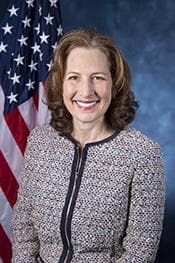
Kim Schrier
Democratic Representative
Washington
Cosponsors (2)
Agriculture Committee
- Introduced
- In Committee
- On Floor
- Passed Chamber
- Enacted
This legislation aims to address the significant deferred maintenance needs at agricultural research facilities across the United States, which have grown to an estimated $11.5 billion. It recognizes the vital economic contribution of agriculture and the necessity of modern infrastructure to maintain global competitiveness in agricultural research. The bill amends existing law to enhance the review process for proposals and establish a new grant program. The bill establishes a competitive grant program within the National Institute of Food and Agriculture to fund the construction, alteration, modernization, or acquisition of agricultural research facilities and equipment. The Secretary may waive the Federal share requirement, allowing for up to 100 percent federal funding on a case-by-case basis. To ensure broad impact, the program mandates equitable distribution of funds across diverse institutions, geographic regions, and areas of study, with a cap of 20 percent of funds per state. It provides $500 million in mandatory funding annually from 2025 through 2029, and authorizes an additional $1 billion in appropriations for each fiscal year from 2026 through 2030.
View Full TextSuggested Questions
Get AI-generated questions to help you understand this bill better
Timeline
Introduced in House
Referred to the House Committee on Agriculture.
Agriculture and Food
AG RESEARCH Act
USA119th CongressHR-3568| House
| Updated: 5/21/2025
This legislation aims to address the significant deferred maintenance needs at agricultural research facilities across the United States, which have grown to an estimated $11.5 billion. It recognizes the vital economic contribution of agriculture and the necessity of modern infrastructure to maintain global competitiveness in agricultural research. The bill amends existing law to enhance the review process for proposals and establish a new grant program. The bill establishes a competitive grant program within the National Institute of Food and Agriculture to fund the construction, alteration, modernization, or acquisition of agricultural research facilities and equipment. The Secretary may waive the Federal share requirement, allowing for up to 100 percent federal funding on a case-by-case basis. To ensure broad impact, the program mandates equitable distribution of funds across diverse institutions, geographic regions, and areas of study, with a cap of 20 percent of funds per state. It provides $500 million in mandatory funding annually from 2025 through 2029, and authorizes an additional $1 billion in appropriations for each fiscal year from 2026 through 2030.
View Full TextSuggested Questions
Get AI-generated questions to help you understand this bill better
Timeline
Introduced in House
Referred to the House Committee on Agriculture.
Kim Schrier
Democratic Representative
Washington
Cosponsors (2)
Agriculture Committee
Agriculture and Food
Related Bills
- Introduced
- In Committee
- On Floor
- Passed Chamber
- Enacted