Stop TRUMP in Crypto Act of 2025
USA119th CongressHR-3573| House
| Updated: 5/21/2025
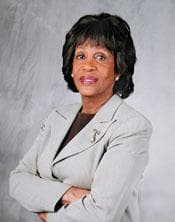
Maxine Waters
Democratic Representative
California
Cosponsors (21)
Nikema Williams (Democratic)Sylvia R. Garcia (Democratic)Ritchie Torres (Democratic)Joyce Beatty (Democratic)Emanuel Cleaver (Democratic)Bill Foster (Democratic)Juan Vargas (Democratic)Jimmy Panetta (Democratic)Greg Casar (Democratic)Al Green (Democratic)André Carson (Democratic)Stephen F. Lynch (Democratic)Gregory W. Meeks (Democratic)Brittany Pettersen (Democratic)Pramila Jayapal (Democratic)Brad Sherman (Democratic)Sean Casten (Democratic)Nydia M. Velázquez (Democratic)Cleo Fields (Democratic)Rashida Tlaib (Democratic)Mike Levin (Democratic)
Financial Services Committee
- Introduced
- In Committee
- On Floor
- Passed Chamber
- Enacted
This bill, titled the "Stop TRUMP in Crypto Act of 2025," aims to establish comprehensive prohibitions on digital asset activities for certain elected government officials and their immediate families. The legislation defines covered individuals to include the President, Vice President, Members of Congress, and their spouses, children, sons-in-law, and daughters-in-law. Specifically, covered individuals would be prohibited from owning a proportion of a digital asset that allows unilateral changes, serving as an officer or owner of a digital asset issuer, or issuing, sponsoring, promoting, or receiving compensation for digital asset activities. Furthermore, it bans them from trading digital assets while in office if they possess material non-public information about such assets. Companies required to file reports with the SEC would also be forbidden from transacting digital assets on behalf of a covered individual. To prevent circumvention, the bill includes an anti-evasion rule that prohibits indirect participation through entities like trusts, corporations, or other persons if the covered individual exercises control, acts as a beneficial owner, or expects financial benefit. The definition of "beneficial owner" is broad, encompassing financial interest, ability to influence decisions, or an ownership interest of 5 percent or more. Violations of these provisions would be subject to penalties similar to existing federal ethics laws.
View Full TextSuggested Questions
Get AI-generated questions to help you understand this bill better
Timeline
Introduced in House
Referred to the House Committee on Financial Services.
Finance and Financial Sector
Stop TRUMP in Crypto Act of 2025
USA119th CongressHR-3573| House
| Updated: 5/21/2025
This bill, titled the "Stop TRUMP in Crypto Act of 2025," aims to establish comprehensive prohibitions on digital asset activities for certain elected government officials and their immediate families. The legislation defines covered individuals to include the President, Vice President, Members of Congress, and their spouses, children, sons-in-law, and daughters-in-law. Specifically, covered individuals would be prohibited from owning a proportion of a digital asset that allows unilateral changes, serving as an officer or owner of a digital asset issuer, or issuing, sponsoring, promoting, or receiving compensation for digital asset activities. Furthermore, it bans them from trading digital assets while in office if they possess material non-public information about such assets. Companies required to file reports with the SEC would also be forbidden from transacting digital assets on behalf of a covered individual. To prevent circumvention, the bill includes an anti-evasion rule that prohibits indirect participation through entities like trusts, corporations, or other persons if the covered individual exercises control, acts as a beneficial owner, or expects financial benefit. The definition of "beneficial owner" is broad, encompassing financial interest, ability to influence decisions, or an ownership interest of 5 percent or more. Violations of these provisions would be subject to penalties similar to existing federal ethics laws.
View Full TextSuggested Questions
Get AI-generated questions to help you understand this bill better
Timeline
Introduced in House
Referred to the House Committee on Financial Services.
Maxine Waters
Democratic Representative
California
Cosponsors (21)
Nikema Williams (Democratic)Sylvia R. Garcia (Democratic)Ritchie Torres (Democratic)Joyce Beatty (Democratic)Emanuel Cleaver (Democratic)Bill Foster (Democratic)Juan Vargas (Democratic)Jimmy Panetta (Democratic)Greg Casar (Democratic)Al Green (Democratic)André Carson (Democratic)Stephen F. Lynch (Democratic)Gregory W. Meeks (Democratic)Brittany Pettersen (Democratic)Pramila Jayapal (Democratic)Brad Sherman (Democratic)Sean Casten (Democratic)Nydia M. Velázquez (Democratic)Cleo Fields (Democratic)Rashida Tlaib (Democratic)Mike Levin (Democratic)
Financial Services Committee
Finance and Financial Sector
- Introduced
- In Committee
- On Floor
- Passed Chamber
- Enacted