Leveraging Educational Opportunity Networks Act
USA119th CongressHR-3681| House
| Updated: 6/3/2025
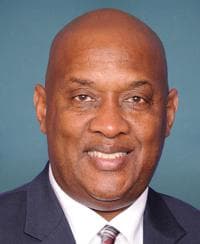
Dwight Evans
Democratic Representative
Pennsylvania
Cosponsors (5)
Education and Workforce Committee
- Introduced
- In Committee
- On Floor
- Passed Chamber
- Enacted
This legislation directs the Secretary of Labor to establish a competitive grant program to fund the development and implementation of workforce training programs. These grants will be awarded to eligible consortia, comprising non-profit organizations, national training organizations, accredited institutions (excluding traditional higher education), or post-secondary career and technical networks, with a focus on geographic diversity. The funded programs must be at least 12 weeks long, lead to a recognized post-secondary credential, and operate in at least 10 states, while paying enrollees a living wage . They must prioritize individuals reading at no higher than a 6th-grade level, with at least 50 percent of participants from underserved populations, including offenders, low-income individuals, and those from historically disadvantaged communities. Grant funds are primarily for career and technical education and need-based stipends, alongside pre-training support and supportive services. Eligible entities must partner with employers who pay a living wage, offer career growth, and actively engage in the training process. The Secretary will prioritize applications focusing on high-demand industries such as construction, manufacturing, and healthcare. Grantees are required to report on enrollee earnings, employment rates, and credential attainment. The bill authorizes $30,000,000 annually for fiscal years 2026 through 2029.
View Full TextSuggested Questions
Get AI-generated questions to help you understand this bill better
Timeline
Introduced in House
Referred to the House Committee on Education and Workforce.
Labor and Employment
Leveraging Educational Opportunity Networks Act
USA119th CongressHR-3681| House
| Updated: 6/3/2025
This legislation directs the Secretary of Labor to establish a competitive grant program to fund the development and implementation of workforce training programs. These grants will be awarded to eligible consortia, comprising non-profit organizations, national training organizations, accredited institutions (excluding traditional higher education), or post-secondary career and technical networks, with a focus on geographic diversity. The funded programs must be at least 12 weeks long, lead to a recognized post-secondary credential, and operate in at least 10 states, while paying enrollees a living wage . They must prioritize individuals reading at no higher than a 6th-grade level, with at least 50 percent of participants from underserved populations, including offenders, low-income individuals, and those from historically disadvantaged communities. Grant funds are primarily for career and technical education and need-based stipends, alongside pre-training support and supportive services. Eligible entities must partner with employers who pay a living wage, offer career growth, and actively engage in the training process. The Secretary will prioritize applications focusing on high-demand industries such as construction, manufacturing, and healthcare. Grantees are required to report on enrollee earnings, employment rates, and credential attainment. The bill authorizes $30,000,000 annually for fiscal years 2026 through 2029.
View Full TextSuggested Questions
Get AI-generated questions to help you understand this bill better
Timeline
Introduced in House
Referred to the House Committee on Education and Workforce.
Dwight Evans
Democratic Representative
Pennsylvania
Cosponsors (5)
Education and Workforce Committee
Labor and Employment
- Introduced
- In Committee
- On Floor
- Passed Chamber
- Enacted