FIREARM Act
USA119th CongressHR-3770| House
| Updated: 9/10/2025
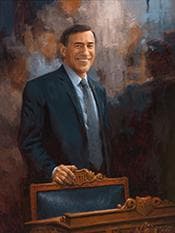
Darrell Issa
Republican Representative
California
Cosponsors (40)
Diana Harshbarger (Republican)David Kustoff (Republican)Clay Higgins (Republican)Elise M. Stefanik (Republican)Tim Burchett (Republican)Richard McCormick (Republican)Ashley Hinson (Republican)Brett Guthrie (Republican)Andy Harris (Republican)Jefferson Van Drew (Republican)Scott Franklin (Republican)Mike Collins (Republican)Claudia Tenney (Republican)Pete Sessions (Republican)Andy Biggs (Republican)Jeff Hurd (Republican)Gus M. Bilirakis (Republican)Anna Paulina Luna (Republican)Don Bacon (Republican)Mike Kelly (Republican)Roger Williams (Republican)W. Gregory Steube (Republican)John H. Rutherford (Republican)Mark B. Messmer (Republican)Lauren Boebert (Republican)Troy Downing (Republican)Mary E. Miller (Republican)Gabe Evans (Republican)Scott DesJarlais (Republican)Pete Stauber (Republican)Wesley Hunt (Republican)John W. Rose (Republican)Derrick Van Orden (Republican)Dan Crenshaw (Republican)Randy K. Sr. Weber (Republican)Chuck Edwards (Republican)Andrew S. Clyde (Republican)Cory Mills (Republican)Michael Guest (Republican)Craig A. Goldman (Republican)
Judiciary Committee
- Introduced
- In Committee
- On Floor
- Passed Chamber
- Enacted
This bill, known as the "Fighting Irrational Regulatory Enforcement to Avert Retailers' Misfortune Act" or the FIREARM Act , aims to modify the process for firearm license revocations and denials. It introduces new definitions, including a self-reported violation , which is one reported by a licensee before discovery by the Attorney General. Crucially, it defines willfully as conduct resulting from deliberate planning or specific intent, explicitly stating that willfulness cannot be inferred from previous conduct and that minor, clerical, or curable conduct is presumptively not willful. The Act generally prohibits the Attorney General from initiating enforcement actions for self-reported or correctable violations, except for uncorrectable issues or transfers to prohibited persons. Before any enforcement action, the Attorney General must provide detailed notice of the violation and allow the licensee 30 business days to correct it. Furthermore, the bill significantly alters the judicial review process for license revocations, requiring federal district courts to conduct a de novo review and uphold revocations only upon a finding, by a preponderance of the evidence, that the licensee willfully violated the law. Finally, the provisions of this Act are designed to apply retroactively to any licensee whose license was revoked or denied under the Enhanced Regulatory Enforcement Policy announced on June 23, 2021. For such licensees, the Attorney General must provide an opportunity to reapply and approve their application, provided they have not been convicted of a disqualifying violation and can demonstrate compliance and corrective action for previously cited issues.
Suggested Questions
Get AI-generated questions to help you understand this bill better
Timeline
Introduced in House
Referred to the House Committee on the Judiciary.
Committee Consideration and Mark-up Session Held
Ordered to be Reported (Amended) by the Yeas and Nays: 15 - 8.
Crime and Law Enforcement
Civil actions and liabilityFederal district courtsFirearms and explosivesJudicial review and appealsLicensing and registrations
FIREARM Act
USA119th CongressHR-3770| House
| Updated: 9/10/2025
This bill, known as the "Fighting Irrational Regulatory Enforcement to Avert Retailers' Misfortune Act" or the FIREARM Act , aims to modify the process for firearm license revocations and denials. It introduces new definitions, including a self-reported violation , which is one reported by a licensee before discovery by the Attorney General. Crucially, it defines willfully as conduct resulting from deliberate planning or specific intent, explicitly stating that willfulness cannot be inferred from previous conduct and that minor, clerical, or curable conduct is presumptively not willful. The Act generally prohibits the Attorney General from initiating enforcement actions for self-reported or correctable violations, except for uncorrectable issues or transfers to prohibited persons. Before any enforcement action, the Attorney General must provide detailed notice of the violation and allow the licensee 30 business days to correct it. Furthermore, the bill significantly alters the judicial review process for license revocations, requiring federal district courts to conduct a de novo review and uphold revocations only upon a finding, by a preponderance of the evidence, that the licensee willfully violated the law. Finally, the provisions of this Act are designed to apply retroactively to any licensee whose license was revoked or denied under the Enhanced Regulatory Enforcement Policy announced on June 23, 2021. For such licensees, the Attorney General must provide an opportunity to reapply and approve their application, provided they have not been convicted of a disqualifying violation and can demonstrate compliance and corrective action for previously cited issues.
Suggested Questions
Get AI-generated questions to help you understand this bill better
Timeline
Introduced in House
Referred to the House Committee on the Judiciary.
Committee Consideration and Mark-up Session Held
Ordered to be Reported (Amended) by the Yeas and Nays: 15 - 8.
Darrell Issa
Republican Representative
California
Cosponsors (40)
Diana Harshbarger (Republican)David Kustoff (Republican)Clay Higgins (Republican)Elise M. Stefanik (Republican)Tim Burchett (Republican)Richard McCormick (Republican)Ashley Hinson (Republican)Brett Guthrie (Republican)Andy Harris (Republican)Jefferson Van Drew (Republican)Scott Franklin (Republican)Mike Collins (Republican)Claudia Tenney (Republican)Pete Sessions (Republican)Andy Biggs (Republican)Jeff Hurd (Republican)Gus M. Bilirakis (Republican)Anna Paulina Luna (Republican)Don Bacon (Republican)Mike Kelly (Republican)Roger Williams (Republican)W. Gregory Steube (Republican)John H. Rutherford (Republican)Mark B. Messmer (Republican)Lauren Boebert (Republican)Troy Downing (Republican)Mary E. Miller (Republican)Gabe Evans (Republican)Scott DesJarlais (Republican)Pete Stauber (Republican)Wesley Hunt (Republican)John W. Rose (Republican)Derrick Van Orden (Republican)Dan Crenshaw (Republican)Randy K. Sr. Weber (Republican)Chuck Edwards (Republican)Andrew S. Clyde (Republican)Cory Mills (Republican)Michael Guest (Republican)Craig A. Goldman (Republican)
Judiciary Committee
Crime and Law Enforcement
Related Bills
- Introduced
- In Committee
- On Floor
- Passed Chamber
- Enacted
Civil actions and liabilityFederal district courtsFirearms and explosivesJudicial review and appealsLicensing and registrations