Farmers Feeding America Act of 2025
USA119th CongressHR-3784| House
| Updated: 6/5/2025
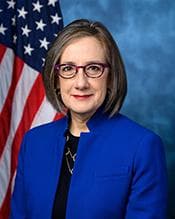
Andrea Salinas
Democratic Representative
Oregon
Cosponsors (24)
Kim Schrier (Democratic)Becca Balint (Democratic)Robert Garcia (Democratic)Christopher R. Deluzio (Democratic)Emanuel Cleaver (Democratic)Juan Vargas (Democratic)Troy A. Carter (Democratic)Jimmy Panetta (Democratic)Maxine Dexter (Democratic)Melanie A. Stansbury (Democratic)Suzan K. DelBene (Democratic)Thomas R. Suozzi (Democratic)Shri Thanedar (Democratic)Jill N. Tokuda (Democratic)Marilyn Strickland (Democratic)Jahana Hayes (Democratic)Raja Krishnamoorthi (Democratic)Sharice Davids (Democratic)Mary Gay Scanlon (Democratic)Salud O. Carbajal (Democratic)Jim Costa (Democratic)Cleo Fields (Democratic)Lizzie Fletcher (Democratic)Judy Chu (Democratic)
Agriculture Committee
- Introduced
- In Committee
- On Floor
- Passed Chamber
- Enacted
This bill significantly strengthens and extends the Emergency Food Assistance Program (TEFAP) by reauthorizing commodity availability through fiscal year 2030. It allocates an additional $500,000,000 for commodity purchases for each of fiscal years 2026 through 2030, ensuring a consistent food supply. The legislation also doubles funding for TEFAP storage and distribution costs to $200,000,000 and extends authorization for Emergency Food Program infrastructure grants through 2030. A key new provision addresses geographically isolated states , such as Hawaii, Alaska, and U.S. territories, by mandating alternative commodity delivery options and allowing access to the Department of Defense Fresh Fruit and Vegetable Program. These states may also receive the cash value of up to 20% of allocated commodities to procure domestically grown food. Furthermore, the bill permits the Secretary to consider factors beyond the lowest price, like product variety and transportation distance, when contracting for fresh produce packages, while prioritizing nutritious food availability.
Suggested Questions
Get AI-generated questions to help you understand this bill better
Timeline
Introduced in House
Referred to the House Committee on Agriculture.
Agriculture and Food
Farmers Feeding America Act of 2025
USA119th CongressHR-3784| House
| Updated: 6/5/2025
This bill significantly strengthens and extends the Emergency Food Assistance Program (TEFAP) by reauthorizing commodity availability through fiscal year 2030. It allocates an additional $500,000,000 for commodity purchases for each of fiscal years 2026 through 2030, ensuring a consistent food supply. The legislation also doubles funding for TEFAP storage and distribution costs to $200,000,000 and extends authorization for Emergency Food Program infrastructure grants through 2030. A key new provision addresses geographically isolated states , such as Hawaii, Alaska, and U.S. territories, by mandating alternative commodity delivery options and allowing access to the Department of Defense Fresh Fruit and Vegetable Program. These states may also receive the cash value of up to 20% of allocated commodities to procure domestically grown food. Furthermore, the bill permits the Secretary to consider factors beyond the lowest price, like product variety and transportation distance, when contracting for fresh produce packages, while prioritizing nutritious food availability.
Suggested Questions
Get AI-generated questions to help you understand this bill better
Timeline
Introduced in House
Referred to the House Committee on Agriculture.
Andrea Salinas
Democratic Representative
Oregon
Cosponsors (24)
Kim Schrier (Democratic)Becca Balint (Democratic)Robert Garcia (Democratic)Christopher R. Deluzio (Democratic)Emanuel Cleaver (Democratic)Juan Vargas (Democratic)Troy A. Carter (Democratic)Jimmy Panetta (Democratic)Maxine Dexter (Democratic)Melanie A. Stansbury (Democratic)Suzan K. DelBene (Democratic)Thomas R. Suozzi (Democratic)Shri Thanedar (Democratic)Jill N. Tokuda (Democratic)Marilyn Strickland (Democratic)Jahana Hayes (Democratic)Raja Krishnamoorthi (Democratic)Sharice Davids (Democratic)Mary Gay Scanlon (Democratic)Salud O. Carbajal (Democratic)Jim Costa (Democratic)Cleo Fields (Democratic)Lizzie Fletcher (Democratic)Judy Chu (Democratic)
Agriculture Committee
Agriculture and Food
- Introduced
- In Committee
- On Floor
- Passed Chamber
- Enacted