TRACE Act
USA119th CongressHR-3823| House
| Updated: 6/6/2025
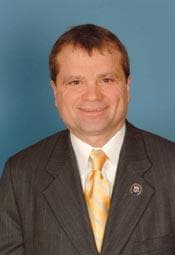
Mike Quigley
Democratic Representative
Illinois
Cosponsors (23)
Julie Johnson (Democratic)Ritchie Torres (Democratic)Emanuel Cleaver (Democratic)Dave Min (Democratic)Shri Thanedar (Democratic)Danny K. Davis (Democratic)Jake Auchincloss (Democratic)George Latimer (Democratic)Henry C. "Hank" Johnson (Democratic)Sheila Cherfilus-McCormick (Democratic)Mark DeSaulnier (Democratic)Daniel S. Goldman (Democratic)Raja Krishnamoorthi (Democratic)Eleanor Holmes Norton (Democratic)Wesley Bell (Democratic)Timothy M. Kennedy (Democratic)Joe Neguse (Democratic)Donald S. Beyer (Democratic)Sean Casten (Democratic)Janice D. Schakowsky (Democratic)Adam Smith (Democratic)Seth Moulton (Democratic)Valerie P. Foushee (Democratic)
Judiciary Committee
- Introduced
- In Committee
- On Floor
- Passed Chamber
- Enacted
The Trafficking Reduction And Criminal Enforcement Act, or TRACE Act, aims to prevent the illegal sale of firearms through several new regulations and the removal of existing restrictions on federal agencies. Within 12 months of enactment, the Attorney General must issue regulations requiring all newly manufactured firearms in the United States to bear a second, hidden serial number, either inside the receiver or visible only via infrared light. This provision seeks to enhance firearm traceability, particularly for those that have been illegally altered or trafficked. The bill significantly expands the definition of a "receiver" and "manufacturing firearms" under federal law to include unfinished frames or receivers and components used to convert devices into functional firearms, as well as assembling or 3D printing such parts. Additionally, it mandates that records from the National Instant Criminal Background Check System (NICS) be preserved for 180 days before destruction, a change from previous practices. These measures are intended to close loopholes and improve the ability to track firearms involved in criminal activity. The TRACE Act also requires all licensed firearms dealers to conduct regular physical inventory checks of their firearm stock, with specific regulations to be prescribed by the Attorney General. Furthermore, the bill eliminates several provisos from past appropriations acts that had previously restricted the Bureau of Alcohol, Tobacco, Firearms and Explosives (ATF). These removed limitations will allow the ATF greater flexibility in areas such as consolidating firearms transfer records and requiring unique identification numbers, thereby enhancing its ability to combat illegal firearm trafficking.
View Full TextSuggested Questions
Get AI-generated questions to help you understand this bill better
Timeline
Introduced in House
Referred to the House Committee on the Judiciary.
Crime and Law Enforcement
TRACE Act
USA119th CongressHR-3823| House
| Updated: 6/6/2025
The Trafficking Reduction And Criminal Enforcement Act, or TRACE Act, aims to prevent the illegal sale of firearms through several new regulations and the removal of existing restrictions on federal agencies. Within 12 months of enactment, the Attorney General must issue regulations requiring all newly manufactured firearms in the United States to bear a second, hidden serial number, either inside the receiver or visible only via infrared light. This provision seeks to enhance firearm traceability, particularly for those that have been illegally altered or trafficked. The bill significantly expands the definition of a "receiver" and "manufacturing firearms" under federal law to include unfinished frames or receivers and components used to convert devices into functional firearms, as well as assembling or 3D printing such parts. Additionally, it mandates that records from the National Instant Criminal Background Check System (NICS) be preserved for 180 days before destruction, a change from previous practices. These measures are intended to close loopholes and improve the ability to track firearms involved in criminal activity. The TRACE Act also requires all licensed firearms dealers to conduct regular physical inventory checks of their firearm stock, with specific regulations to be prescribed by the Attorney General. Furthermore, the bill eliminates several provisos from past appropriations acts that had previously restricted the Bureau of Alcohol, Tobacco, Firearms and Explosives (ATF). These removed limitations will allow the ATF greater flexibility in areas such as consolidating firearms transfer records and requiring unique identification numbers, thereby enhancing its ability to combat illegal firearm trafficking.
View Full TextSuggested Questions
Get AI-generated questions to help you understand this bill better
Timeline
Introduced in House
Referred to the House Committee on the Judiciary.
Mike Quigley
Democratic Representative
Illinois
Cosponsors (23)
Julie Johnson (Democratic)Ritchie Torres (Democratic)Emanuel Cleaver (Democratic)Dave Min (Democratic)Shri Thanedar (Democratic)Danny K. Davis (Democratic)Jake Auchincloss (Democratic)George Latimer (Democratic)Henry C. "Hank" Johnson (Democratic)Sheila Cherfilus-McCormick (Democratic)Mark DeSaulnier (Democratic)Daniel S. Goldman (Democratic)Raja Krishnamoorthi (Democratic)Eleanor Holmes Norton (Democratic)Wesley Bell (Democratic)Timothy M. Kennedy (Democratic)Joe Neguse (Democratic)Donald S. Beyer (Democratic)Sean Casten (Democratic)Janice D. Schakowsky (Democratic)Adam Smith (Democratic)Seth Moulton (Democratic)Valerie P. Foushee (Democratic)
Judiciary Committee
Crime and Law Enforcement
- Introduced
- In Committee
- On Floor
- Passed Chamber
- Enacted