Veterans Appeals Efficiency Act of 2025
USA119th CongressHR-3835| House
| Updated: 6/24/2025
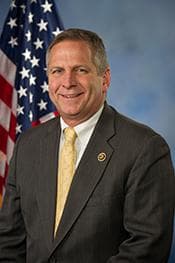
Mike Bost
Republican Representative
Illinois
Cosponsors (13)
Elise M. Stefanik (Republican)Laura Gillen (Democratic)John James (Republican)Thomas H. Kean (Republican)Gus M. Bilirakis (Republican)Don Bacon (Republican)Andy Barr (Republican)Mark Takano (Democratic)Joe Neguse (Democratic)David G. Valadao (Republican)Tom Barrett (Republican)Michael Lawler (Republican)Jason Crow (Democratic)
Disability Assistance and Memorial Affairs Subcommittee, Veterans' Affairs Committee
- Introduced
- In Committee
- On Floor
- Passed Chamber
- Enacted
This legislation seeks to enhance the efficiency of adjudications and appeals for benefits administered by the Secretary of Veterans Affairs. It mandates the Secretary to submit annual reports detailing the average time claims are pending after remand and the number of cases advanced on the Board's docket. Furthermore, it requires the Secretary to track and maintain information on various claim types, including those continuously pursued, in the National Work Queue, or remanded by the Board, to improve oversight and timeliness. Significant improvements are introduced for the Board of Veterans' Appeals , allowing the Chairman to aggregate appeals with common legal or factual questions for more efficient resolution. The bill also strengthens compliance by requiring the Secretary to ensure substantial adherence to Board remand decisions, with specific waiver conditions. For the Court of Appeals for Veterans Claims , its jurisdiction is expanded to include class action proceedings for certain benefit claims and to allow for limited remands to the Board to address specific legal or factual questions. To further optimize the process, the bill directs the Chairman of the Board to conduct a study identifying common legal or factual questions where precedential guidance would be beneficial. Additionally, it mandates an independent assessment by a federally funded research and development center (FFRDC) on the feasibility of allowing the Board to issue precedential decisions. This assessment will also review the Board's authority to aggregate appeals and recommend best practices for such aggregation.
View Full TextSuggested Questions
Get AI-generated questions to help you understand this bill better
Timeline
Introduced in House
Referred to the House Committee on Veterans' Affairs.
Referred to the Subcommittee on Disability Assistance and Memorial Affairs.
Subcommittee Hearings Held
Armed Forces and National Security
Administrative remediesComputers and information technologyCongressional oversightGovernment studies and investigationsJurisdiction and venueVeterans' pensions and compensation
Veterans Appeals Efficiency Act of 2025
USA119th CongressHR-3835| House
| Updated: 6/24/2025
This legislation seeks to enhance the efficiency of adjudications and appeals for benefits administered by the Secretary of Veterans Affairs. It mandates the Secretary to submit annual reports detailing the average time claims are pending after remand and the number of cases advanced on the Board's docket. Furthermore, it requires the Secretary to track and maintain information on various claim types, including those continuously pursued, in the National Work Queue, or remanded by the Board, to improve oversight and timeliness. Significant improvements are introduced for the Board of Veterans' Appeals , allowing the Chairman to aggregate appeals with common legal or factual questions for more efficient resolution. The bill also strengthens compliance by requiring the Secretary to ensure substantial adherence to Board remand decisions, with specific waiver conditions. For the Court of Appeals for Veterans Claims , its jurisdiction is expanded to include class action proceedings for certain benefit claims and to allow for limited remands to the Board to address specific legal or factual questions. To further optimize the process, the bill directs the Chairman of the Board to conduct a study identifying common legal or factual questions where precedential guidance would be beneficial. Additionally, it mandates an independent assessment by a federally funded research and development center (FFRDC) on the feasibility of allowing the Board to issue precedential decisions. This assessment will also review the Board's authority to aggregate appeals and recommend best practices for such aggregation.
View Full TextSuggested Questions
Get AI-generated questions to help you understand this bill better
Timeline
Introduced in House
Referred to the House Committee on Veterans' Affairs.
Referred to the Subcommittee on Disability Assistance and Memorial Affairs.
Subcommittee Hearings Held
Mike Bost
Republican Representative
Illinois
Cosponsors (13)
Elise M. Stefanik (Republican)Laura Gillen (Democratic)John James (Republican)Thomas H. Kean (Republican)Gus M. Bilirakis (Republican)Don Bacon (Republican)Andy Barr (Republican)Mark Takano (Democratic)Joe Neguse (Democratic)David G. Valadao (Republican)Tom Barrett (Republican)Michael Lawler (Republican)Jason Crow (Democratic)
Disability Assistance and Memorial Affairs Subcommittee, Veterans' Affairs Committee
Armed Forces and National Security
Related Bills
- Introduced
- In Committee
- On Floor
- Passed Chamber
- Enacted
Administrative remediesComputers and information technologyCongressional oversightGovernment studies and investigationsJurisdiction and venueVeterans' pensions and compensation