Enhanced Background Checks Act of 2025
USA119th CongressHR-3868| House
| Updated: 6/10/2025
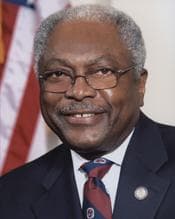
James E. Clyburn
Democratic Representative
South Carolina
Cosponsors (130)
John W. Mannion (Democratic)Dwight Evans (Democratic)Stacey E. Plaskett (Democratic)April McClain Delaney (Democratic)Donald Norcross (Democratic)Nikema Williams (Democratic)Yassamin Ansari (Democratic)John Garamendi (Democratic)Kelly Morrison (Democratic)Marc A. Veasey (Democratic)Steny H. Hoyer (Democratic)Robert C. "Bobby" Scott (Democratic)Mikie Sherrill (Democratic)Gabe Amo (Democratic)Robin L. Kelly (Democratic)Julie Johnson (Democratic)Robert Garcia (Democratic)Mark Pocan (Democratic)Robert Menendez (Democratic)Joyce Beatty (Democratic)Jennifer L. McClellan (Democratic)Ed Case (Democratic)Christopher R. Deluzio (Democratic)Emanuel Cleaver (Democratic)Bill Foster (Democratic)Joe Courtney (Democratic)Shontel M. Brown (Democratic)David Scott (Democratic)Frederica S. Wilson (Democratic)Juan Vargas (Democratic)Troy A. Carter (Democratic)Steven Horsford (Democratic)Maxine Dexter (Democratic)Eric Swalwell (Democratic)Dina Titus (Democratic)Maxwell Frost (Democratic)Madeleine Dean (Democratic)Steve Cohen (Democratic)Scott H. Peters (Democratic)Andrea Salinas (Democratic)Paul Tonko (Democratic)Angie Craig (Democratic)Delia C. Ramirez (Democratic)Rosa L. DeLauro (Democratic)Haley M. Stevens (Democratic)Shri Thanedar (Democratic)Danny K. Davis (Democratic)Jake Auchincloss (Democratic)Ro Khanna (Democratic)George Latimer (Democratic)Jasmine Crockett (Democratic)Henry C. "Hank" Johnson (Democratic)Derek Tran (Democratic)Sheila Cherfilus-McCormick (Democratic)André Carson (Democratic)Brendan F. Boyle (Democratic)John B. Larson (Democratic)Stephen F. Lynch (Democratic)Mark DeSaulnier (Democratic)Jill N. Tokuda (Democratic)Joseph D. Morelle (Democratic)Emilia Strong Sykes (Democratic)Glenn Ivey (Democratic)Sara Jacobs (Democratic)Marilyn Strickland (Democratic)Suhas Subramanyam (Democratic)Daniel S. Goldman (Democratic)Gregory W. Meeks (Democratic)Jahana Hayes (Democratic)Morgan McGarvey (Democratic)Raja Krishnamoorthi (Democratic)James A. Himes (Democratic)Jerrold Nadler (Democratic)LaMonica McIver (Democratic)Alma S. Adams (Democratic)Ami Bera (Democratic)Mark Takano (Democratic)Lucy McBath (Democratic)Pramila Jayapal (Democratic)Kathy Castor (Democratic)Betty McCollum (Democratic)Eleanor Holmes Norton (Democratic)Val T. Hoyle (Democratic)Brad Sherman (Democratic)Bonnie Watson Coleman (Democratic)Mary Gay Scanlon (Democratic)Wesley Bell (Democratic)Richard E. Neal (Democratic)Timothy M. Kennedy (Democratic)Salud O. Carbajal (Democratic)Joe Neguse (Democratic)Mike Quigley (Democratic)Donald S. Beyer (Democratic)Sean Casten (Democratic)Diana DeGette (Democratic)Janice D. Schakowsky (Democratic)Alexandria Ocasio-Cortez (Democratic)Adam Smith (Democratic)Julia Brownley (Democratic)Cleo Fields (Democratic)Seth Magaziner (Democratic)Sarah McBride (Democratic)Yvette D. Clarke (Democratic)Rick Larsen (Democratic)Bennie G. Thompson (Democratic)Lori Trahan (Democratic)Seth Moulton (Democratic)Mike Thompson (Democratic)Suzanne Bonamici (Democratic)Jared Moskowitz (Democratic)Nancy Pelosi (Democratic)Lizzie Fletcher (Democratic)Luz M. Rivas (Democratic)Josh Gottheimer (Democratic)Zoe Lofgren (Democratic)Nanette Diaz Barragán (Democratic)Jesús G. "Chuy" García (Democratic)Frank Pallone (Democratic)Gwen Moore (Democratic)Jimmy Gomez (Democratic)Susie Lee (Democratic)Valerie P. Foushee (Democratic)Rashida Tlaib (Democratic)Bradley Scott Schneider (Democratic)Kweisi Mfume (Democratic)Lloyd Doggett (Democratic)Debbie Wasserman Schultz (Democratic)Lauren Underwood (Democratic)Chellie Pingree (Democratic)Judy Chu (Democratic)
Judiciary Committee
- Introduced
- In Committee
- On Floor
- Passed Chamber
- Enacted
The "Enhanced Background Checks Act of 2025" aims to strengthen federal background check procedures for firearm transfers by Federal firearms licensees to individuals who are not licensees. It significantly modifies the "default proceed" rule under current law, which previously allowed a transfer to proceed if the National Instant Criminal Background Check System (NICS) did not issue a denial within three business days. Under the new provisions, if NICS has not notified the licensee of a prohibition within 10 business days, the prospective transferee must submit a petition for review . This petition certifies they are not prohibited from owning a firearm and requests an expedited NICS response. A transfer can only proceed if an additional 10 business days have elapsed after the petition's submission, and NICS still has not indicated a prohibition. This effectively extends the potential waiting period for a default proceed transfer to a minimum of 20 business days. The bill also requires the Attorney General to prescribe and make available the petition form and respond to petitions expeditiously. Furthermore, it mandates several reports to assess the effectiveness and impact of these changes. The Comptroller General will analyze the implementation, challenges, delays, and denials over one, three, and five-year periods. The FBI Director must provide annual public reports on petitions where determinations were not made within the specified timeframe, including data on discovered ineligibilities. Additionally, the Attorney General, in consultation with relevant organizations, must report on the Act's effect on the safety of victims of domestic violence and related crimes. The Act is set to take effect 210 days after its enactment.
View Full TextSuggested Questions
Get AI-generated questions to help you understand this bill better
Timeline
Introduced in House
Referred to the House Committee on the Judiciary.
Crime and Law Enforcement
Enhanced Background Checks Act of 2025
USA119th CongressHR-3868| House
| Updated: 6/10/2025
The "Enhanced Background Checks Act of 2025" aims to strengthen federal background check procedures for firearm transfers by Federal firearms licensees to individuals who are not licensees. It significantly modifies the "default proceed" rule under current law, which previously allowed a transfer to proceed if the National Instant Criminal Background Check System (NICS) did not issue a denial within three business days. Under the new provisions, if NICS has not notified the licensee of a prohibition within 10 business days, the prospective transferee must submit a petition for review . This petition certifies they are not prohibited from owning a firearm and requests an expedited NICS response. A transfer can only proceed if an additional 10 business days have elapsed after the petition's submission, and NICS still has not indicated a prohibition. This effectively extends the potential waiting period for a default proceed transfer to a minimum of 20 business days. The bill also requires the Attorney General to prescribe and make available the petition form and respond to petitions expeditiously. Furthermore, it mandates several reports to assess the effectiveness and impact of these changes. The Comptroller General will analyze the implementation, challenges, delays, and denials over one, three, and five-year periods. The FBI Director must provide annual public reports on petitions where determinations were not made within the specified timeframe, including data on discovered ineligibilities. Additionally, the Attorney General, in consultation with relevant organizations, must report on the Act's effect on the safety of victims of domestic violence and related crimes. The Act is set to take effect 210 days after its enactment.
View Full TextSuggested Questions
Get AI-generated questions to help you understand this bill better
Timeline
Introduced in House
Referred to the House Committee on the Judiciary.
James E. Clyburn
Democratic Representative
South Carolina
Cosponsors (130)
John W. Mannion (Democratic)Dwight Evans (Democratic)Stacey E. Plaskett (Democratic)April McClain Delaney (Democratic)Donald Norcross (Democratic)Nikema Williams (Democratic)Yassamin Ansari (Democratic)John Garamendi (Democratic)Kelly Morrison (Democratic)Marc A. Veasey (Democratic)Steny H. Hoyer (Democratic)Robert C. "Bobby" Scott (Democratic)Mikie Sherrill (Democratic)Gabe Amo (Democratic)Robin L. Kelly (Democratic)Julie Johnson (Democratic)Robert Garcia (Democratic)Mark Pocan (Democratic)Robert Menendez (Democratic)Joyce Beatty (Democratic)Jennifer L. McClellan (Democratic)Ed Case (Democratic)Christopher R. Deluzio (Democratic)Emanuel Cleaver (Democratic)Bill Foster (Democratic)Joe Courtney (Democratic)Shontel M. Brown (Democratic)David Scott (Democratic)Frederica S. Wilson (Democratic)Juan Vargas (Democratic)Troy A. Carter (Democratic)Steven Horsford (Democratic)Maxine Dexter (Democratic)Eric Swalwell (Democratic)Dina Titus (Democratic)Maxwell Frost (Democratic)Madeleine Dean (Democratic)Steve Cohen (Democratic)Scott H. Peters (Democratic)Andrea Salinas (Democratic)Paul Tonko (Democratic)Angie Craig (Democratic)Delia C. Ramirez (Democratic)Rosa L. DeLauro (Democratic)Haley M. Stevens (Democratic)Shri Thanedar (Democratic)Danny K. Davis (Democratic)Jake Auchincloss (Democratic)Ro Khanna (Democratic)George Latimer (Democratic)Jasmine Crockett (Democratic)Henry C. "Hank" Johnson (Democratic)Derek Tran (Democratic)Sheila Cherfilus-McCormick (Democratic)André Carson (Democratic)Brendan F. Boyle (Democratic)John B. Larson (Democratic)Stephen F. Lynch (Democratic)Mark DeSaulnier (Democratic)Jill N. Tokuda (Democratic)Joseph D. Morelle (Democratic)Emilia Strong Sykes (Democratic)Glenn Ivey (Democratic)Sara Jacobs (Democratic)Marilyn Strickland (Democratic)Suhas Subramanyam (Democratic)Daniel S. Goldman (Democratic)Gregory W. Meeks (Democratic)Jahana Hayes (Democratic)Morgan McGarvey (Democratic)Raja Krishnamoorthi (Democratic)James A. Himes (Democratic)Jerrold Nadler (Democratic)LaMonica McIver (Democratic)Alma S. Adams (Democratic)Ami Bera (Democratic)Mark Takano (Democratic)Lucy McBath (Democratic)Pramila Jayapal (Democratic)Kathy Castor (Democratic)Betty McCollum (Democratic)Eleanor Holmes Norton (Democratic)Val T. Hoyle (Democratic)Brad Sherman (Democratic)Bonnie Watson Coleman (Democratic)Mary Gay Scanlon (Democratic)Wesley Bell (Democratic)Richard E. Neal (Democratic)Timothy M. Kennedy (Democratic)Salud O. Carbajal (Democratic)Joe Neguse (Democratic)Mike Quigley (Democratic)Donald S. Beyer (Democratic)Sean Casten (Democratic)Diana DeGette (Democratic)Janice D. Schakowsky (Democratic)Alexandria Ocasio-Cortez (Democratic)Adam Smith (Democratic)Julia Brownley (Democratic)Cleo Fields (Democratic)Seth Magaziner (Democratic)Sarah McBride (Democratic)Yvette D. Clarke (Democratic)Rick Larsen (Democratic)Bennie G. Thompson (Democratic)Lori Trahan (Democratic)Seth Moulton (Democratic)Mike Thompson (Democratic)Suzanne Bonamici (Democratic)Jared Moskowitz (Democratic)Nancy Pelosi (Democratic)Lizzie Fletcher (Democratic)Luz M. Rivas (Democratic)Josh Gottheimer (Democratic)Zoe Lofgren (Democratic)Nanette Diaz Barragán (Democratic)Jesús G. "Chuy" García (Democratic)Frank Pallone (Democratic)Gwen Moore (Democratic)Jimmy Gomez (Democratic)Susie Lee (Democratic)Valerie P. Foushee (Democratic)Rashida Tlaib (Democratic)Bradley Scott Schneider (Democratic)Kweisi Mfume (Democratic)Lloyd Doggett (Democratic)Debbie Wasserman Schultz (Democratic)Lauren Underwood (Democratic)Chellie Pingree (Democratic)Judy Chu (Democratic)
Judiciary Committee
Crime and Law Enforcement
- Introduced
- In Committee
- On Floor
- Passed Chamber
- Enacted