Flow Act
USA119th CongressHR-3892| House
| Updated: 6/10/2025
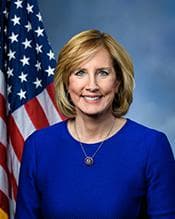
Claudia Tenney
Republican Representative
New York
Cosponsors (8)
Ways and Means Committee
- Introduced
- In Committee
- On Floor
- Passed Chamber
- Enacted
This legislation, known as the "Flow Act," seeks to amend the Internal Revenue Code of 1986 to ease financing for lead service line replacement projects. It specifically modifies the private business use requirements for bonds issued to fund these crucial infrastructure upgrades. The bill clarifies that using bond proceeds for "qualified lead service line replacement use" will not constitute private business use . This "qualified use" is defined as replacing privately-owned sections of lead service lines connected to public water systems, specifically to achieve or maintain compliance with national primary drinking water regulations for lead. This change, effective for obligations issued after December 31, 2025, aims to encourage and simplify the use of tax-exempt bonds for these public health initiatives.
View Full TextSuggested Questions
Get AI-generated questions to help you understand this bill better
Timeline
Introduced in House
Referred to the House Committee on Ways and Means.
Taxation
Flow Act
USA119th CongressHR-3892| House
| Updated: 6/10/2025
This legislation, known as the "Flow Act," seeks to amend the Internal Revenue Code of 1986 to ease financing for lead service line replacement projects. It specifically modifies the private business use requirements for bonds issued to fund these crucial infrastructure upgrades. The bill clarifies that using bond proceeds for "qualified lead service line replacement use" will not constitute private business use . This "qualified use" is defined as replacing privately-owned sections of lead service lines connected to public water systems, specifically to achieve or maintain compliance with national primary drinking water regulations for lead. This change, effective for obligations issued after December 31, 2025, aims to encourage and simplify the use of tax-exempt bonds for these public health initiatives.
View Full TextSuggested Questions
Get AI-generated questions to help you understand this bill better
Timeline
Introduced in House
Referred to the House Committee on Ways and Means.
Claudia Tenney
Republican Representative
New York
Cosponsors (8)
Ways and Means Committee
Taxation
Related Bills
- Introduced
- In Committee
- On Floor
- Passed Chamber
- Enacted