CLASS Act of 2025
USA119th CongressHR-3938| House
| Updated: 6/11/2025
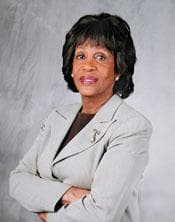
Maxine Waters
Democratic Representative
California
Cosponsors (12)
Robert Garcia (Democratic)Delia C. Ramirez (Democratic)Danny K. Davis (Democratic)Henry C. "Hank" Johnson (Democratic)Raja Krishnamoorthi (Democratic)Pramila Jayapal (Democratic)Janice D. Schakowsky (Democratic)Summer L. Lee (Democratic)Cleo Fields (Democratic)Suzanne Bonamici (Democratic)Jesús G. "Chuy" García (Democratic)Rashida Tlaib (Democratic)
Judiciary Committee, Education and Workforce Committee
- Introduced
- In Committee
- On Floor
- Passed Chamber
- Enacted
This legislation aims to protect students' rights to pursue legal claims against institutions of higher education by modifying federal law. It specifically mandates that Chapter 1 of Title 9 of the United States Code, which governs the enforcement of arbitration agreements , will no longer apply to enrollment agreements between students and colleges or universities. This change ensures that students cannot be compelled into arbitration for disputes arising from their enrollment contracts, thereby preserving their access to the court system. Furthermore, the bill amends the Higher Education Act of 1965 to prohibit institutions from requiring or enforcing any agreement that limits a student's ability to pursue a claim in court. This includes restrictions on the choice of applicable law, the right to a jury trial , or the venue for legal proceedings. The intent is to prevent institutions from using contractual clauses to waive students' rights to judicial recourse, whether individually or as part of a group. These provisions will take effect one year after the bill's enactment.
View Full TextSuggested Questions
Get AI-generated questions to help you understand this bill better
Timeline
Introduced in House
Referred to the Committee on Education and Workforce, and in addition to the Committee on the Judiciary, for a period to be subsequently determined by the Speaker, in each case for consideration of such provisions as fall within the jurisdiction of the committee concerned.
Education
CLASS Act of 2025
USA119th CongressHR-3938| House
| Updated: 6/11/2025
This legislation aims to protect students' rights to pursue legal claims against institutions of higher education by modifying federal law. It specifically mandates that Chapter 1 of Title 9 of the United States Code, which governs the enforcement of arbitration agreements , will no longer apply to enrollment agreements between students and colleges or universities. This change ensures that students cannot be compelled into arbitration for disputes arising from their enrollment contracts, thereby preserving their access to the court system. Furthermore, the bill amends the Higher Education Act of 1965 to prohibit institutions from requiring or enforcing any agreement that limits a student's ability to pursue a claim in court. This includes restrictions on the choice of applicable law, the right to a jury trial , or the venue for legal proceedings. The intent is to prevent institutions from using contractual clauses to waive students' rights to judicial recourse, whether individually or as part of a group. These provisions will take effect one year after the bill's enactment.
View Full TextSuggested Questions
Get AI-generated questions to help you understand this bill better
Timeline
Introduced in House
Referred to the Committee on Education and Workforce, and in addition to the Committee on the Judiciary, for a period to be subsequently determined by the Speaker, in each case for consideration of such provisions as fall within the jurisdiction of the committee concerned.
Maxine Waters
Democratic Representative
California
Cosponsors (12)
Robert Garcia (Democratic)Delia C. Ramirez (Democratic)Danny K. Davis (Democratic)Henry C. "Hank" Johnson (Democratic)Raja Krishnamoorthi (Democratic)Pramila Jayapal (Democratic)Janice D. Schakowsky (Democratic)Summer L. Lee (Democratic)Cleo Fields (Democratic)Suzanne Bonamici (Democratic)Jesús G. "Chuy" García (Democratic)Rashida Tlaib (Democratic)
Judiciary Committee, Education and Workforce Committee
Education
- Introduced
- In Committee
- On Floor
- Passed Chamber
- Enacted