No Shorting America Act
USA119th CongressHR-4036| House
| Updated: 6/17/2025
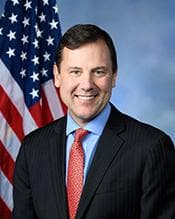
Thomas H. Kean
Republican Representative
New Jersey
Cosponsors (1)
Committee on House Administration
- Introduced
- In Committee
- On Floor
- Passed Chamber
- Enacted
This bill, known as the "No Shorting America Act," establishes a prohibition on short sales of certain financial investments by Members of Congress, their spouses, and dependents. The restriction applies to securities, security futures, commodities, and synthetic instruments like derivatives, provided they are issued by business entities listed on a national stock exchange. Members of Congress are required to submit a pledge of compliance to their supervising ethics office, which can request additional information and will issue publicly available certificates of compliance. Any loss incurred from a short sale conducted in violation of this act cannot be deducted for income tax purposes. The supervising ethics office will refer instances of willful non-compliance to the Attorney General, who may then bring a civil action against the individual. Violators could face a civil penalty of up to $50,000 , which cannot be paid using official congressional allowances or political committee funds.
View Full TextSuggested Questions
Get AI-generated questions to help you understand this bill better
Timeline
Introduced in House
Referred to the House Committee on House Administration.
Congress
No Shorting America Act
USA119th CongressHR-4036| House
| Updated: 6/17/2025
This bill, known as the "No Shorting America Act," establishes a prohibition on short sales of certain financial investments by Members of Congress, their spouses, and dependents. The restriction applies to securities, security futures, commodities, and synthetic instruments like derivatives, provided they are issued by business entities listed on a national stock exchange. Members of Congress are required to submit a pledge of compliance to their supervising ethics office, which can request additional information and will issue publicly available certificates of compliance. Any loss incurred from a short sale conducted in violation of this act cannot be deducted for income tax purposes. The supervising ethics office will refer instances of willful non-compliance to the Attorney General, who may then bring a civil action against the individual. Violators could face a civil penalty of up to $50,000 , which cannot be paid using official congressional allowances or political committee funds.
View Full TextSuggested Questions
Get AI-generated questions to help you understand this bill better
Timeline
Introduced in House
Referred to the House Committee on House Administration.
Thomas H. Kean
Republican Representative
New Jersey
Cosponsors (1)
Committee on House Administration
Congress
- Introduced
- In Committee
- On Floor
- Passed Chamber
- Enacted