Pro Codes Act
USA119th CongressHR-4072| House
| Updated: 6/23/2025
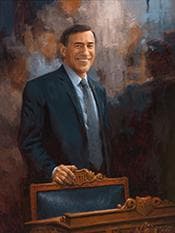
Darrell Issa
Republican Representative
California
Judiciary Committee
- Introduced
- In Committee
- On Floor
- Passed Chamber
- Enacted
This bill seeks to amend title 17 of the United States Code to address the use of privately developed standards in public law. Congress recognizes the significant benefits derived from technical and voluntary consensus standards created by private standards development organizations (SDOs), which are often incorporated by reference into federal, state, and local laws and regulations. These standards, developed through open and balanced processes, foster innovation, commerce, and public safety without direct government cost, as SDOs fund their work through sales and licensing, relying on copyright protection. The legislation aims to strike a balance between preserving this revenue model and ensuring public access to standards that become part of the legal framework. The Act introduces a new section 123 to title 17, United States Code, establishing conditions under which copyrighted standards retain their protection when incorporated by reference into law. Specifically, a standard will maintain its copyright if the SDO makes all incorporated portions publicly accessible online at no monetary cost within a reasonable timeframe. This online access must include a searchable table of contents and index, or equivalent aids, to facilitate content location. The bill defines "publicly accessible online" to allow for account creation or terms of service, provided there is no monetary cost and no unauthorized use of personally identifiable information. Furthermore, the legislation places the burden of proof on any party asserting that an SDO has failed to meet these requirements.
View Full TextSuggested Questions
Get AI-generated questions to help you understand this bill better
Timeline
Introduced in House
Referred to the House Committee on the Judiciary.
Commerce
Pro Codes Act
USA119th CongressHR-4072| House
| Updated: 6/23/2025
This bill seeks to amend title 17 of the United States Code to address the use of privately developed standards in public law. Congress recognizes the significant benefits derived from technical and voluntary consensus standards created by private standards development organizations (SDOs), which are often incorporated by reference into federal, state, and local laws and regulations. These standards, developed through open and balanced processes, foster innovation, commerce, and public safety without direct government cost, as SDOs fund their work through sales and licensing, relying on copyright protection. The legislation aims to strike a balance between preserving this revenue model and ensuring public access to standards that become part of the legal framework. The Act introduces a new section 123 to title 17, United States Code, establishing conditions under which copyrighted standards retain their protection when incorporated by reference into law. Specifically, a standard will maintain its copyright if the SDO makes all incorporated portions publicly accessible online at no monetary cost within a reasonable timeframe. This online access must include a searchable table of contents and index, or equivalent aids, to facilitate content location. The bill defines "publicly accessible online" to allow for account creation or terms of service, provided there is no monetary cost and no unauthorized use of personally identifiable information. Furthermore, the legislation places the burden of proof on any party asserting that an SDO has failed to meet these requirements.
View Full TextSuggested Questions
Get AI-generated questions to help you understand this bill better
Timeline
Introduced in House
Referred to the House Committee on the Judiciary.
Darrell Issa
Republican Representative
California
Judiciary Committee
Commerce
Related Bills
- Introduced
- In Committee
- On Floor
- Passed Chamber
- Enacted