Insurrection Act of 2025
USA119th CongressHR-4076| House
| Updated: 6/23/2025
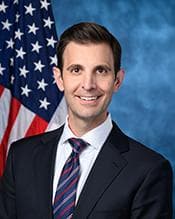
Christopher R. Deluzio
Democratic Representative
Pennsylvania
Cosponsors (43)
Yassamin Ansari (Democratic)Becca Balint (Democratic)John Garamendi (Democratic)Jonathan L. Jackson (Democratic)Sylvia R. Garcia (Democratic)Jared Huffman (Democratic)Marc A. Veasey (Democratic)Chrissy Houlahan (Democratic)Patrick Ryan (Democratic)Maxine Dexter (Democratic)Steve Cohen (Democratic)Andrea Salinas (Democratic)Greg Casar (Democratic)Dave Min (Democratic)Shri Thanedar (Democratic)Ted Lieu (Democratic)George Latimer (Democratic)Henry C. "Hank" Johnson (Democratic)André Carson (Democratic)Sara Jacobs (Democratic)Daniel S. Goldman (Democratic)Jahana Hayes (Democratic)Brittany Pettersen (Democratic)Alma S. Adams (Democratic)Pramila Jayapal (Democratic)Eleanor Holmes Norton (Democratic)Val T. Hoyle (Democratic)Timothy M. Kennedy (Democratic)Joe Neguse (Democratic)Lois Frankel (Democratic)Sean Casten (Democratic)Diana DeGette (Democratic)Janice D. Schakowsky (Democratic)Summer L. Lee (Democratic)Maggie Goodlander (Democratic)Johnny Olszewski (Democratic)Deborah K. Ross (Democratic)Mike Thompson (Democratic)Suzanne Bonamici (Democratic)Lizzie Fletcher (Democratic)Jesús G. "Chuy" García (Democratic)Veronica Escobar (Democratic)Lloyd Doggett (Democratic)
Rules Committee, Armed Services Committee
- Introduced
- In Committee
- On Floor
- Passed Chamber
- Enacted
The "Insurrection Act of 2025" overhauls existing federal law governing the domestic deployment of the Armed Forces to suppress insurrections, rebellions, or quell domestic violence. It establishes a clear policy that such deployments should be a last resort , only permissible when state, local, and federal civilian law enforcement authorities are unable or fail to address the situation. The bill outlines specific triggering circumstances , including insurrections overwhelming state authorities (with or without a state request), widespread domestic violence with a state request, or obstruction of state or federal law that deprives citizens of constitutional rights, particularly voting rights. The President's authority to deploy forces is subject to several limitations , ensuring the Armed Forces remain subordinate to the chain of command and operate under established rules for the use of force. Importantly, the bill explicitly states that it does not authorize the suspension of habeas corpus or actions that violate federal or state law. Before any deployment, the President must consult with Congress, issue a public proclamation detailing the basis for action, and submit a comprehensive report, including certifications from the Attorney General regarding the necessity and exhaustion of other options. A significant new provision requires congressional approval for any deployment to continue beyond an initial seven-day period. If Congress is unable to convene, this period begins upon their reconvening. A joint resolution of approval, which is subject to expedited legislative procedures, would authorize deployment for 14 days, with renewals requiring further congressional action. The bill also introduces robust judicial review , allowing injured parties, including state and local governments, to seek declaratory or injunctive relief, with expedited consideration and direct appeal to the Supreme Court. Finally, it clarifies that National Guard members performing training or other duty under Title 32 cannot be used for these purposes, and defines "State" to include territories like Puerto Rico and the District of Columbia.
View Full TextSuggested Questions
Get AI-generated questions to help you understand this bill better
Timeline
Introduced in House
Referred to the Committee on Armed Services, and in addition to the Committee on Rules, for a period to be subsequently determined by the Speaker, in each case for consideration of such provisions as fall within the jurisdiction of the committee concerned.
Armed Forces and National Security
Insurrection Act of 2025
USA119th CongressHR-4076| House
| Updated: 6/23/2025
The "Insurrection Act of 2025" overhauls existing federal law governing the domestic deployment of the Armed Forces to suppress insurrections, rebellions, or quell domestic violence. It establishes a clear policy that such deployments should be a last resort , only permissible when state, local, and federal civilian law enforcement authorities are unable or fail to address the situation. The bill outlines specific triggering circumstances , including insurrections overwhelming state authorities (with or without a state request), widespread domestic violence with a state request, or obstruction of state or federal law that deprives citizens of constitutional rights, particularly voting rights. The President's authority to deploy forces is subject to several limitations , ensuring the Armed Forces remain subordinate to the chain of command and operate under established rules for the use of force. Importantly, the bill explicitly states that it does not authorize the suspension of habeas corpus or actions that violate federal or state law. Before any deployment, the President must consult with Congress, issue a public proclamation detailing the basis for action, and submit a comprehensive report, including certifications from the Attorney General regarding the necessity and exhaustion of other options. A significant new provision requires congressional approval for any deployment to continue beyond an initial seven-day period. If Congress is unable to convene, this period begins upon their reconvening. A joint resolution of approval, which is subject to expedited legislative procedures, would authorize deployment for 14 days, with renewals requiring further congressional action. The bill also introduces robust judicial review , allowing injured parties, including state and local governments, to seek declaratory or injunctive relief, with expedited consideration and direct appeal to the Supreme Court. Finally, it clarifies that National Guard members performing training or other duty under Title 32 cannot be used for these purposes, and defines "State" to include territories like Puerto Rico and the District of Columbia.
View Full TextSuggested Questions
Get AI-generated questions to help you understand this bill better
Timeline
Introduced in House
Referred to the Committee on Armed Services, and in addition to the Committee on Rules, for a period to be subsequently determined by the Speaker, in each case for consideration of such provisions as fall within the jurisdiction of the committee concerned.
Christopher R. Deluzio
Democratic Representative
Pennsylvania
Cosponsors (43)
Yassamin Ansari (Democratic)Becca Balint (Democratic)John Garamendi (Democratic)Jonathan L. Jackson (Democratic)Sylvia R. Garcia (Democratic)Jared Huffman (Democratic)Marc A. Veasey (Democratic)Chrissy Houlahan (Democratic)Patrick Ryan (Democratic)Maxine Dexter (Democratic)Steve Cohen (Democratic)Andrea Salinas (Democratic)Greg Casar (Democratic)Dave Min (Democratic)Shri Thanedar (Democratic)Ted Lieu (Democratic)George Latimer (Democratic)Henry C. "Hank" Johnson (Democratic)André Carson (Democratic)Sara Jacobs (Democratic)Daniel S. Goldman (Democratic)Jahana Hayes (Democratic)Brittany Pettersen (Democratic)Alma S. Adams (Democratic)Pramila Jayapal (Democratic)Eleanor Holmes Norton (Democratic)Val T. Hoyle (Democratic)Timothy M. Kennedy (Democratic)Joe Neguse (Democratic)Lois Frankel (Democratic)Sean Casten (Democratic)Diana DeGette (Democratic)Janice D. Schakowsky (Democratic)Summer L. Lee (Democratic)Maggie Goodlander (Democratic)Johnny Olszewski (Democratic)Deborah K. Ross (Democratic)Mike Thompson (Democratic)Suzanne Bonamici (Democratic)Lizzie Fletcher (Democratic)Jesús G. "Chuy" García (Democratic)Veronica Escobar (Democratic)Lloyd Doggett (Democratic)
Rules Committee, Armed Services Committee
Armed Forces and National Security
Related Bills
- Introduced
- In Committee
- On Floor
- Passed Chamber
- Enacted