Burma GAP Act
USA119th CongressHR-4140| House
| Updated: 7/22/2025
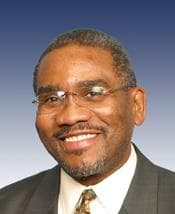
Gregory W. Meeks
Democratic Representative
New York
Cosponsors (18)
Nikema Williams (Democratic)Jonathan L. Jackson (Democratic)Young Kim (Republican)Dina Titus (Democratic)Ted Lieu (Democratic)Ro Khanna (Democratic)André Carson (Democratic)Jefferson Shreve (Republican)Jerrold Nadler (Democratic)Ami Bera (Democratic)Sydney Kamlager-Dove (Democratic)Brad Sherman (Democratic)Timothy M. Kennedy (Democratic)Michael T. McCaul (Republican)Jim Costa (Democratic)Sarah McBride (Democratic)Bill Huizenga (Republican)Michael Lawler (Republican)
Foreign Affairs Committee
- Introduced
- In Committee
- On Floor
- Passed Chamber
- Enacted
The Burma Genocide Accountability and Protection Act, or Burma GAP Act, addresses the severe crisis faced by Rohingya refugees and internally displaced persons in Burma. It is grounded in findings by the United Nations and the U.S. government confirming that genocide and crimes against humanity have been perpetrated against the Rohingya by the Burma military. The bill establishes a clear U.S. policy to prevent and punish genocide, support human rights, and ensure Rohingya involvement in decision-making processes to address their needs. To coordinate these efforts, the Act authorizes the appointment of a United States Special Representative and Policy Coordinator for Burma . This Special Representative will promote comprehensive international efforts, including multilateral sanctions, to restore civilian democratic governance and address urgent humanitarian needs. Their duties also encompass consulting with international partners, assisting UN efforts for political prisoners, and coordinating support for Rohingya and other ethnic minorities. The legislation mandates support for protection efforts and durable solutions for Rohingya. This includes facilitating access to international protection, providing legal support for victims of human trafficking and gender-based violence, and strengthening regional mechanisms for search, rescue, and assistance. It also aims to promote the inclusion of Rohingya in Burma, facilitate their safe and voluntary return, restore their citizenship and rights, and recognize them as an official ethnic group within a federal democratic system. Furthermore, the bill outlines provisions for humanitarian assistance to Rohingya refugees, internally displaced persons, and host communities. This aid encompasses protection programming, support for Rohingya civil society, gender-based violence prevention, education, livelihoods, and basic needs like food and healthcare. Crucially, it promotes accountability for genocide and crimes against humanity by supporting investigations, evidence collection, and reparative justice for victims, while encouraging civilian leadership in Burma to acknowledge these atrocities and provide compensation. The Act requires annual reports from the Secretary of State for five years, detailing the effectiveness of U.S. efforts in responding to atrocity risks, providing humanitarian aid, and promoting justice and accountability. These reports will also assess the impact of actions taken and recommend further legislative or administrative actions. To fund these initiatives, the bill authorizes appropriations for fiscal years 2026 through 2030, including specific amounts for atrocity crime investigations and documentation.
View Full TextSuggested Questions
Get AI-generated questions to help you understand this bill better
Timeline
Introduced in House
Referred to the House Committee on Foreign Affairs.
Ordered to be Reported (Amended) by the Yeas and Nays: 44 - 5.
Committee Consideration and Mark-up Session Held
International Affairs
AsiaBangladeshBurmaCongressional oversightDepartment of StateFederal officialsForeign aid and international reliefGovernment information and archivesHigher educationHuman rightsInternet, web applications, social mediaLawyers and legal servicesLicensing and registrationsRacial and ethnic relationsRefugees, asylum, displaced personsSouth AsiaWar crimes, genocide, crimes against humanity
Burma GAP Act
USA119th CongressHR-4140| House
| Updated: 7/22/2025
The Burma Genocide Accountability and Protection Act, or Burma GAP Act, addresses the severe crisis faced by Rohingya refugees and internally displaced persons in Burma. It is grounded in findings by the United Nations and the U.S. government confirming that genocide and crimes against humanity have been perpetrated against the Rohingya by the Burma military. The bill establishes a clear U.S. policy to prevent and punish genocide, support human rights, and ensure Rohingya involvement in decision-making processes to address their needs. To coordinate these efforts, the Act authorizes the appointment of a United States Special Representative and Policy Coordinator for Burma . This Special Representative will promote comprehensive international efforts, including multilateral sanctions, to restore civilian democratic governance and address urgent humanitarian needs. Their duties also encompass consulting with international partners, assisting UN efforts for political prisoners, and coordinating support for Rohingya and other ethnic minorities. The legislation mandates support for protection efforts and durable solutions for Rohingya. This includes facilitating access to international protection, providing legal support for victims of human trafficking and gender-based violence, and strengthening regional mechanisms for search, rescue, and assistance. It also aims to promote the inclusion of Rohingya in Burma, facilitate their safe and voluntary return, restore their citizenship and rights, and recognize them as an official ethnic group within a federal democratic system. Furthermore, the bill outlines provisions for humanitarian assistance to Rohingya refugees, internally displaced persons, and host communities. This aid encompasses protection programming, support for Rohingya civil society, gender-based violence prevention, education, livelihoods, and basic needs like food and healthcare. Crucially, it promotes accountability for genocide and crimes against humanity by supporting investigations, evidence collection, and reparative justice for victims, while encouraging civilian leadership in Burma to acknowledge these atrocities and provide compensation. The Act requires annual reports from the Secretary of State for five years, detailing the effectiveness of U.S. efforts in responding to atrocity risks, providing humanitarian aid, and promoting justice and accountability. These reports will also assess the impact of actions taken and recommend further legislative or administrative actions. To fund these initiatives, the bill authorizes appropriations for fiscal years 2026 through 2030, including specific amounts for atrocity crime investigations and documentation.
View Full TextSuggested Questions
Get AI-generated questions to help you understand this bill better
Timeline
Introduced in House
Referred to the House Committee on Foreign Affairs.
Ordered to be Reported (Amended) by the Yeas and Nays: 44 - 5.
Committee Consideration and Mark-up Session Held
Gregory W. Meeks
Democratic Representative
New York
Cosponsors (18)
Nikema Williams (Democratic)Jonathan L. Jackson (Democratic)Young Kim (Republican)Dina Titus (Democratic)Ted Lieu (Democratic)Ro Khanna (Democratic)André Carson (Democratic)Jefferson Shreve (Republican)Jerrold Nadler (Democratic)Ami Bera (Democratic)Sydney Kamlager-Dove (Democratic)Brad Sherman (Democratic)Timothy M. Kennedy (Democratic)Michael T. McCaul (Republican)Jim Costa (Democratic)Sarah McBride (Democratic)Bill Huizenga (Republican)Michael Lawler (Republican)
Foreign Affairs Committee
International Affairs
- Introduced
- In Committee
- On Floor
- Passed Chamber
- Enacted
AsiaBangladeshBurmaCongressional oversightDepartment of StateFederal officialsForeign aid and international reliefGovernment information and archivesHigher educationHuman rightsInternet, web applications, social mediaLawyers and legal servicesLicensing and registrationsRacial and ethnic relationsRefugees, asylum, displaced personsSouth AsiaWar crimes, genocide, crimes against humanity