Equal Dignity for Married Taxpayers Act
USA119th CongressHR-4157| House
| Updated: 6/26/2025
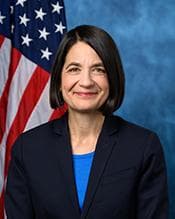
Becca Balint
Democratic Representative
Vermont
Cosponsors (84)
Dwight Evans (Democratic)Nikema Williams (Democratic)Sylvia R. Garcia (Democratic)Julie Johnson (Democratic)Ritchie Torres (Democratic)Robert Garcia (Democratic)Mark Pocan (Democratic)Robert Menendez (Democratic)Jennifer L. McClellan (Democratic)Christopher R. Deluzio (Democratic)Emanuel Cleaver (Democratic)Darren Soto (Democratic)Greg Landsman (Democratic)Frederica S. Wilson (Democratic)Juan Vargas (Democratic)Steven Horsford (Democratic)Jimmy Panetta (Democratic)Dina Titus (Democratic)Maxwell Frost (Democratic)Suzan K. DelBene (Democratic)Scott H. Peters (Democratic)Andrea Salinas (Democratic)Paul Tonko (Democratic)Angie Craig (Democratic)Delia C. Ramirez (Democratic)Greg Casar (Democratic)Haley M. Stevens (Democratic)Adriano Espaillat (Democratic)Shri Thanedar (Democratic)Danny K. Davis (Democratic)George Latimer (Democratic)Jasmine Crockett (Democratic)Henry C. "Hank" Johnson (Democratic)André Carson (Democratic)Joaquin Castro (Democratic)Stephen F. Lynch (Democratic)Jill N. Tokuda (Democratic)Joseph D. Morelle (Democratic)Doris O. Matsui (Democratic)Hillary J. Scholten (Democratic)Sara Jacobs (Democratic)Daniel S. Goldman (Democratic)Jahana Hayes (Democratic)Raja Krishnamoorthi (Democratic)LaMonica McIver (Democratic)Mark Takano (Democratic)Sydney Kamlager-Dove (Democratic)Pramila Jayapal (Democratic)Kathy Castor (Democratic)Betty McCollum (Democratic)Eleanor Holmes Norton (Democratic)Val T. Hoyle (Democratic)Sharice Davids (Democratic)Brad Sherman (Democratic)Mary Gay Scanlon (Democratic)Wesley Bell (Democratic)Lateefah Simon (Democratic)Salud O. Carbajal (Democratic)Jamie Raskin (Democratic)Donald S. Beyer (Democratic)Sean Casten (Democratic)Janice D. Schakowsky (Democratic)James P. McGovern (Democratic)Summer L. Lee (Democratic)Adam Smith (Democratic)William R. Keating (Democratic)Seth Magaziner (Democratic)Yvette D. Clarke (Democratic)Seth Moulton (Democratic)Suzanne Bonamici (Democratic)Lizzie Fletcher (Democratic)Josh Gottheimer (Democratic)Zoe Lofgren (Democratic)Jesús G. "Chuy" García (Democratic)Kevin Mullin (Democratic)Frank Pallone (Democratic)Gwen Moore (Democratic)Grace Meng (Democratic)Valerie P. Foushee (Democratic)Rashida Tlaib (Democratic)Lloyd Doggett (Democratic)Debbie Wasserman Schultz (Democratic)Chellie Pingree (Democratic)Judy Chu (Democratic)
Ways and Means Committee
- Introduced
- In Committee
- On Floor
- Passed Chamber
- Enacted
The "Equal Dignity for Married Taxpayers Act" aims to amend the Internal Revenue Code of 1986 to ensure that all tax provisions apply uniformly to legally married same-sex couples , just as they do to all other married couples. This legislative effort seeks to eliminate any ambiguity or potential for discrimination in the application of federal tax law based on the gender of spouses. The bill primarily achieves its goal through extensive revisions of terminology within the tax code. Section 2 systematically replaces gender-specific terms such as "husband and wife" with gender-neutral phrases like "married couple" or "married individuals" across numerous sections. These amendments cover a wide range of tax areas, including provisions related to credits, deductions, income exclusions, and the treatment of joint interests and community property. For instance, it modifies sections concerning the treatment of married couples as a single entity for certain purposes, such as in partnership interests or loan calculations. It also updates language in critical areas like gift tax provisions and the rules governing joint income tax returns to reflect gender-neutral terminology. This ensures that the legal status of marriage, regardless of the gender of the spouses, is consistently recognized for tax purposes. Furthermore, Section 3 of the bill focuses on replacing gender-specific pronouns. Phrases like "his spouse" are changed to "the individual's spouse" or "the taxpayer's spouse" in various parts of the code. Similar changes are made for terms like "his taxable year" and "his home," ensuring that the language of the Internal Revenue Code is entirely inclusive and does not imply a specific gender for any taxpayer or spouse. These comprehensive conforming amendments reinforce the bill's objective of equal treatment for all married taxpayers.
View Full TextSuggested Questions
Get AI-generated questions to help you understand this bill better
Timeline
Introduced in House
Referred to the House Committee on Ways and Means.
Taxation
Equal Dignity for Married Taxpayers Act
USA119th CongressHR-4157| House
| Updated: 6/26/2025
The "Equal Dignity for Married Taxpayers Act" aims to amend the Internal Revenue Code of 1986 to ensure that all tax provisions apply uniformly to legally married same-sex couples , just as they do to all other married couples. This legislative effort seeks to eliminate any ambiguity or potential for discrimination in the application of federal tax law based on the gender of spouses. The bill primarily achieves its goal through extensive revisions of terminology within the tax code. Section 2 systematically replaces gender-specific terms such as "husband and wife" with gender-neutral phrases like "married couple" or "married individuals" across numerous sections. These amendments cover a wide range of tax areas, including provisions related to credits, deductions, income exclusions, and the treatment of joint interests and community property. For instance, it modifies sections concerning the treatment of married couples as a single entity for certain purposes, such as in partnership interests or loan calculations. It also updates language in critical areas like gift tax provisions and the rules governing joint income tax returns to reflect gender-neutral terminology. This ensures that the legal status of marriage, regardless of the gender of the spouses, is consistently recognized for tax purposes. Furthermore, Section 3 of the bill focuses on replacing gender-specific pronouns. Phrases like "his spouse" are changed to "the individual's spouse" or "the taxpayer's spouse" in various parts of the code. Similar changes are made for terms like "his taxable year" and "his home," ensuring that the language of the Internal Revenue Code is entirely inclusive and does not imply a specific gender for any taxpayer or spouse. These comprehensive conforming amendments reinforce the bill's objective of equal treatment for all married taxpayers.
View Full TextSuggested Questions
Get AI-generated questions to help you understand this bill better
Timeline
Introduced in House
Referred to the House Committee on Ways and Means.
Becca Balint
Democratic Representative
Vermont
Cosponsors (84)
Dwight Evans (Democratic)Nikema Williams (Democratic)Sylvia R. Garcia (Democratic)Julie Johnson (Democratic)Ritchie Torres (Democratic)Robert Garcia (Democratic)Mark Pocan (Democratic)Robert Menendez (Democratic)Jennifer L. McClellan (Democratic)Christopher R. Deluzio (Democratic)Emanuel Cleaver (Democratic)Darren Soto (Democratic)Greg Landsman (Democratic)Frederica S. Wilson (Democratic)Juan Vargas (Democratic)Steven Horsford (Democratic)Jimmy Panetta (Democratic)Dina Titus (Democratic)Maxwell Frost (Democratic)Suzan K. DelBene (Democratic)Scott H. Peters (Democratic)Andrea Salinas (Democratic)Paul Tonko (Democratic)Angie Craig (Democratic)Delia C. Ramirez (Democratic)Greg Casar (Democratic)Haley M. Stevens (Democratic)Adriano Espaillat (Democratic)Shri Thanedar (Democratic)Danny K. Davis (Democratic)George Latimer (Democratic)Jasmine Crockett (Democratic)Henry C. "Hank" Johnson (Democratic)André Carson (Democratic)Joaquin Castro (Democratic)Stephen F. Lynch (Democratic)Jill N. Tokuda (Democratic)Joseph D. Morelle (Democratic)Doris O. Matsui (Democratic)Hillary J. Scholten (Democratic)Sara Jacobs (Democratic)Daniel S. Goldman (Democratic)Jahana Hayes (Democratic)Raja Krishnamoorthi (Democratic)LaMonica McIver (Democratic)Mark Takano (Democratic)Sydney Kamlager-Dove (Democratic)Pramila Jayapal (Democratic)Kathy Castor (Democratic)Betty McCollum (Democratic)Eleanor Holmes Norton (Democratic)Val T. Hoyle (Democratic)Sharice Davids (Democratic)Brad Sherman (Democratic)Mary Gay Scanlon (Democratic)Wesley Bell (Democratic)Lateefah Simon (Democratic)Salud O. Carbajal (Democratic)Jamie Raskin (Democratic)Donald S. Beyer (Democratic)Sean Casten (Democratic)Janice D. Schakowsky (Democratic)James P. McGovern (Democratic)Summer L. Lee (Democratic)Adam Smith (Democratic)William R. Keating (Democratic)Seth Magaziner (Democratic)Yvette D. Clarke (Democratic)Seth Moulton (Democratic)Suzanne Bonamici (Democratic)Lizzie Fletcher (Democratic)Josh Gottheimer (Democratic)Zoe Lofgren (Democratic)Jesús G. "Chuy" García (Democratic)Kevin Mullin (Democratic)Frank Pallone (Democratic)Gwen Moore (Democratic)Grace Meng (Democratic)Valerie P. Foushee (Democratic)Rashida Tlaib (Democratic)Lloyd Doggett (Democratic)Debbie Wasserman Schultz (Democratic)Chellie Pingree (Democratic)Judy Chu (Democratic)
Ways and Means Committee
Taxation
Related Bills
- Introduced
- In Committee
- On Floor
- Passed Chamber
- Enacted