Community Solar Consumer Choice Act of 2025
USA119th CongressHR-4162| House
| Updated: 6/26/2025
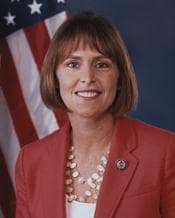
Kathy Castor
Democratic Representative
Florida
Cosponsors (12)
Yassamin Ansari (Democratic)Jared Huffman (Democratic)Paul Tonko (Democratic)Adriano Espaillat (Democratic)Doris O. Matsui (Democratic)Raja Krishnamoorthi (Democratic)Eleanor Holmes Norton (Democratic)Sean Casten (Democratic)Julia Brownley (Democratic)Suzanne Bonamici (Democratic)Nanette Diaz Barragán (Democratic)Kevin Mullin (Democratic)
Energy and Commerce Committee, Oversight and Government Reform Committee
- Introduced
- In Committee
- On Floor
- Passed Chamber
- Enacted
This legislation, titled the "Community Solar Consumer Choice Act of 2025," aims to significantly expand access to community solar programs across the United States. It directs the Secretary of Energy to establish a program within one year to increase participation for a diverse range of entities, including individuals (especially low- and moderate-income individuals and those without regular access to onsite solar), businesses, nonprofit organizations, and various government levels. The program will align with existing federal initiatives that support low-income communities. The Department of Energy will provide crucial support by offering technical assistance to state, local, and Tribal governments, as well as other entities, to help them develop and implement community solar projects. This includes assisting in creating innovative financial and business models, such as affordable rate structures, to benefit subscribers. Furthermore, the bill mandates the use of National Laboratories to collect and disseminate data, aiding private entities in the financing, subscription, and operation of community solar facilities and programs, and expands existing DOE grant and loan programs to include community solar. A key provision amends the Public Utility Regulatory Policies Act of 1978 (PURPA) to require most electric utilities to offer a community solar program. These programs must ensure equitable and demonstrable access for all ratepayers, with a specific focus on low-income individuals. The bill defines community solar facilities and programs, and outlines mechanisms for ownership by utilities, non-utilities, or other entities to deliver customer benefits and mitigate market concentration. Tribal utilities are permitted to offer such programs and leverage available resources. States and non-regulated electric utilities are given specific timelines to consider and implement this new community solar standard under PURPA, with consideration commencing within one year and completion within two years of the bill's enactment. The legislation also includes provisions for states that have already implemented comparable community solar standards, exempting them from certain compliance requirements. Finally, the bill extends the maximum period for federal contracts for public utility services to 30 years.
View Full TextSuggested Questions
Get AI-generated questions to help you understand this bill better
Timeline
Introduced in House
Referred to the Committee on Energy and Commerce, and in addition to the Committee on Oversight and Government Reform, for a period to be subsequently determined by the Speaker, in each case for consideration of such provisions as fall within the jurisdiction of the committee concerned.
Energy
Community Solar Consumer Choice Act of 2025
USA119th CongressHR-4162| House
| Updated: 6/26/2025
This legislation, titled the "Community Solar Consumer Choice Act of 2025," aims to significantly expand access to community solar programs across the United States. It directs the Secretary of Energy to establish a program within one year to increase participation for a diverse range of entities, including individuals (especially low- and moderate-income individuals and those without regular access to onsite solar), businesses, nonprofit organizations, and various government levels. The program will align with existing federal initiatives that support low-income communities. The Department of Energy will provide crucial support by offering technical assistance to state, local, and Tribal governments, as well as other entities, to help them develop and implement community solar projects. This includes assisting in creating innovative financial and business models, such as affordable rate structures, to benefit subscribers. Furthermore, the bill mandates the use of National Laboratories to collect and disseminate data, aiding private entities in the financing, subscription, and operation of community solar facilities and programs, and expands existing DOE grant and loan programs to include community solar. A key provision amends the Public Utility Regulatory Policies Act of 1978 (PURPA) to require most electric utilities to offer a community solar program. These programs must ensure equitable and demonstrable access for all ratepayers, with a specific focus on low-income individuals. The bill defines community solar facilities and programs, and outlines mechanisms for ownership by utilities, non-utilities, or other entities to deliver customer benefits and mitigate market concentration. Tribal utilities are permitted to offer such programs and leverage available resources. States and non-regulated electric utilities are given specific timelines to consider and implement this new community solar standard under PURPA, with consideration commencing within one year and completion within two years of the bill's enactment. The legislation also includes provisions for states that have already implemented comparable community solar standards, exempting them from certain compliance requirements. Finally, the bill extends the maximum period for federal contracts for public utility services to 30 years.
View Full TextSuggested Questions
Get AI-generated questions to help you understand this bill better
Timeline
Introduced in House
Referred to the Committee on Energy and Commerce, and in addition to the Committee on Oversight and Government Reform, for a period to be subsequently determined by the Speaker, in each case for consideration of such provisions as fall within the jurisdiction of the committee concerned.
Kathy Castor
Democratic Representative
Florida
Cosponsors (12)
Yassamin Ansari (Democratic)Jared Huffman (Democratic)Paul Tonko (Democratic)Adriano Espaillat (Democratic)Doris O. Matsui (Democratic)Raja Krishnamoorthi (Democratic)Eleanor Holmes Norton (Democratic)Sean Casten (Democratic)Julia Brownley (Democratic)Suzanne Bonamici (Democratic)Nanette Diaz Barragán (Democratic)Kevin Mullin (Democratic)
Energy and Commerce Committee, Oversight and Government Reform Committee
Energy
- Introduced
- In Committee
- On Floor
- Passed Chamber
- Enacted