SHADE Act
USA119th CongressHR-4212| House
| Updated: 6/26/2025
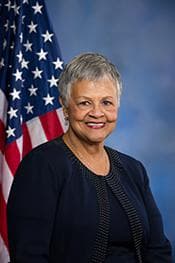
Bonnie Watson Coleman
Democratic Representative
New Jersey
Cosponsors (43)
Dwight Evans (Democratic)Nikema Williams (Democratic)Yassamin Ansari (Democratic)Sylvia R. Garcia (Democratic)Jared Huffman (Democratic)Robert C. "Bobby" Scott (Democratic)Robert Menendez (Democratic)Christopher R. Deluzio (Democratic)Emanuel Cleaver (Democratic)Troy A. Carter (Democratic)Dina Titus (Democratic)Maxwell Frost (Democratic)Melanie A. Stansbury (Democratic)Steve Cohen (Democratic)Delia C. Ramirez (Democratic)Thomas R. Suozzi (Democratic)Shri Thanedar (Democratic)Ted Lieu (Democratic)Henry C. "Hank" Johnson (Democratic)Sheila Cherfilus-McCormick (Democratic)André Carson (Democratic)Mark DeSaulnier (Democratic)Doris O. Matsui (Democratic)Marilyn Strickland (Democratic)Raja Krishnamoorthi (Democratic)LaMonica McIver (Democratic)Pramila Jayapal (Democratic)Eleanor Holmes Norton (Democratic)Wesley Bell (Democratic)Timothy M. Kennedy (Democratic)Jamie Raskin (Democratic)Mike Quigley (Democratic)Nydia M. Velázquez (Democratic)Cleo Fields (Democratic)Yvette D. Clarke (Democratic)Suzanne Bonamici (Democratic)Nanette Diaz Barragán (Democratic)Frank Pallone (Democratic)Grace Meng (Democratic)Rashida Tlaib (Democratic)Lloyd Doggett (Democratic)Chellie Pingree (Democratic)Judy Chu (Democratic)
Financial Services Committee
- Introduced
- In Committee
- On Floor
- Passed Chamber
- Enacted
This bill, known as the "Saving Hazardous And Declining Environments Act" or SHADE Act, mandates the Secretary of Housing and Urban Development, in coordination with the Secretary of Agriculture, to establish a grant program. This program will award grants to eligible entities for planting qualifying trees in designated eligible areas , which include redlined communities and intra-urban heat island effect areas. A notice of funding opportunity must be published within 180 days of enactment, and the program itself must be established within 180 days of appropriations. Eligible entities for these grants include State, Territorial, Tribal, and local government agencies, as well as nonprofit organizations partnering with such entities. Applications must include a 5-year timeline and budget for planting and maintenance, and critically, a public participation plan to ensure community involvement in project decision-making. This plan may include opportunities for local nonprofits and public input. When awarding grants, the Secretary must give priority to applicants with housing policy plans that minimize the displacement of current residents . Grant funds can cover costs associated with project planning, tree purchasing, site preparation, planting labor, and up to 5 years of maintenance and monitoring to ensure successful tree establishment. The bill authorizes an appropriation of $50,000,000 for each of fiscal years 2026 through 2036 to support this vital program.
View Full TextSuggested Questions
Get AI-generated questions to help you understand this bill better
Timeline
Introduced in House
Referred to the House Committee on Financial Services.
Housing and Community Development
SHADE Act
USA119th CongressHR-4212| House
| Updated: 6/26/2025
This bill, known as the "Saving Hazardous And Declining Environments Act" or SHADE Act, mandates the Secretary of Housing and Urban Development, in coordination with the Secretary of Agriculture, to establish a grant program. This program will award grants to eligible entities for planting qualifying trees in designated eligible areas , which include redlined communities and intra-urban heat island effect areas. A notice of funding opportunity must be published within 180 days of enactment, and the program itself must be established within 180 days of appropriations. Eligible entities for these grants include State, Territorial, Tribal, and local government agencies, as well as nonprofit organizations partnering with such entities. Applications must include a 5-year timeline and budget for planting and maintenance, and critically, a public participation plan to ensure community involvement in project decision-making. This plan may include opportunities for local nonprofits and public input. When awarding grants, the Secretary must give priority to applicants with housing policy plans that minimize the displacement of current residents . Grant funds can cover costs associated with project planning, tree purchasing, site preparation, planting labor, and up to 5 years of maintenance and monitoring to ensure successful tree establishment. The bill authorizes an appropriation of $50,000,000 for each of fiscal years 2026 through 2036 to support this vital program.
View Full TextSuggested Questions
Get AI-generated questions to help you understand this bill better
Timeline
Introduced in House
Referred to the House Committee on Financial Services.
Bonnie Watson Coleman
Democratic Representative
New Jersey
Cosponsors (43)
Dwight Evans (Democratic)Nikema Williams (Democratic)Yassamin Ansari (Democratic)Sylvia R. Garcia (Democratic)Jared Huffman (Democratic)Robert C. "Bobby" Scott (Democratic)Robert Menendez (Democratic)Christopher R. Deluzio (Democratic)Emanuel Cleaver (Democratic)Troy A. Carter (Democratic)Dina Titus (Democratic)Maxwell Frost (Democratic)Melanie A. Stansbury (Democratic)Steve Cohen (Democratic)Delia C. Ramirez (Democratic)Thomas R. Suozzi (Democratic)Shri Thanedar (Democratic)Ted Lieu (Democratic)Henry C. "Hank" Johnson (Democratic)Sheila Cherfilus-McCormick (Democratic)André Carson (Democratic)Mark DeSaulnier (Democratic)Doris O. Matsui (Democratic)Marilyn Strickland (Democratic)Raja Krishnamoorthi (Democratic)LaMonica McIver (Democratic)Pramila Jayapal (Democratic)Eleanor Holmes Norton (Democratic)Wesley Bell (Democratic)Timothy M. Kennedy (Democratic)Jamie Raskin (Democratic)Mike Quigley (Democratic)Nydia M. Velázquez (Democratic)Cleo Fields (Democratic)Yvette D. Clarke (Democratic)Suzanne Bonamici (Democratic)Nanette Diaz Barragán (Democratic)Frank Pallone (Democratic)Grace Meng (Democratic)Rashida Tlaib (Democratic)Lloyd Doggett (Democratic)Chellie Pingree (Democratic)Judy Chu (Democratic)
Financial Services Committee
Housing and Community Development
- Introduced
- In Committee
- On Floor
- Passed Chamber
- Enacted