Unemployment Insurance Modernization and Recession Readiness Act
USA119th CongressHR-4439| House
| Updated: 7/16/2025
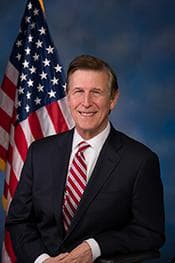
Donald S. Beyer
Democratic Representative
Virginia
Ways and Means Committee, Budget Committee
- Introduced
- In Committee
- On Floor
- Passed Chamber
- Enacted
This comprehensive bill seeks to overhaul and strengthen the nation's unemployment compensation system. It introduces significant changes across extended benefits, regular unemployment programs, and establishes a new jobseeker allowance, with most provisions taking effect by January 1, 2027. Title I focuses on modernizing extended benefits , shifting to 100 percent federal funding for these benefits. It revises the triggers for extended benefit periods, establishing both state and national Total Unemployment Rate (TUR) thresholds at 5.5 percent, and introduces an "Elevated National Unemployment Trigger" based on a 0.5 percentage point increase in the national unemployment rate over 12 months. The bill also creates a tiered system for extended benefits, allowing for up to 26, 39, or 52 weeks of benefits during periods of increasingly high unemployment, based on specific unemployment rate thresholds. Further improvements to extended benefits include allowing individuals to continue receiving benefits for up to six months after a state's "off" trigger, and new rules for coordinating extended benefits with regular compensation when a new benefit year would result in significantly lower weekly amounts. It also ensures the portability of extended benefits across states and exempts these benefits from sequestration. The calculation of extended benefit amounts will be improved by using "the greatest" rather than "the least" of certain factors. Title II addresses the modernization of regular unemployment compensation , establishing federal floors for key aspects of state programs. States will be required to provide a minimum of 26 weeks of benefits and ensure a weekly benefit amount that replaces at least 75 percent of an individual's high-quarter earnings. The maximum weekly benefit amount must be at least two-thirds of the state's average weekly wage. Eligibility for regular unemployment benefits is expanded by preventing denial for individuals seeking part-time work (at least 20 hours or half of prior hours) and allowing benefits for partial unemployment with an earnings disregard. The bill mandates the use of a more inclusive base period for determining eligibility, including the most recently completed calendar quarter, and allows for extended base periods for those on leave due to medical, parental, or caregiving reasons. It also sets minimum prior earnings thresholds for eligibility. The bill broadens the definition of "good cause" for separating from employment, including reasons such as family illness, spouse's relocation, childcare issues, unsafe work conditions, and employer non-compliance with labor laws. Victims of domestic violence, sexual assault, or harassment will not be denied benefits for voluntary separation. Additionally, the bill eliminates waiting weeks for benefits, considers completion of temporary assignments as involuntary layoffs, and requires states to implement self-employment assistance and short-time compensation programs, with enhanced flexibility for the latter. Finally, Title II mandates a dependents' allowance , starting at $25 per week in 2027 and indexed annually, with a broad definition of eligible dependents. It also prevents denial of benefits for separations due to certain labor disputes and allows retroactive payments for educational employees not re-hired. During public health emergencies or major disasters, the bill provides for emergency enhanced unemployment compensation , increasing the wage replacement rate to 100 percent of high-quarter earnings, fully funded by the federal government. Title III introduces a new, federally funded Jobseeker Allowance program for individuals who may not qualify for traditional unemployment insurance. Eligible individuals must be unemployed or partially employed, actively seeking work, meet age/education criteria, and have an adjusted gross income below the Social Security contribution base, with exceptions. The allowance starts at $250 per week in 2027, indexed annually, and can be augmented during periods of elevated unemployment, potentially providing up to 65 weeks of benefits through a tiered account structure. This allowance is designed to support job seekers, with provisions for earnings disregards and definitions of suitable work.
View Full TextSuggested Questions
Get AI-generated questions to help you understand this bill better
Timeline
Bill from Previous Congress
HR 118-6071Unemployment Insurance Modernization and Recession Readiness Act
Introduced in House
Referred to the Committee on Ways and Means, and in addition to the Committee on the Budget, for a period to be subsequently determined by the Speaker, in each case for consideration of such provisions as fall within the jurisdiction of the committee concerned.
Labor and Employment
Unemployment Insurance Modernization and Recession Readiness Act
USA119th CongressHR-4439| House
| Updated: 7/16/2025
This comprehensive bill seeks to overhaul and strengthen the nation's unemployment compensation system. It introduces significant changes across extended benefits, regular unemployment programs, and establishes a new jobseeker allowance, with most provisions taking effect by January 1, 2027. Title I focuses on modernizing extended benefits , shifting to 100 percent federal funding for these benefits. It revises the triggers for extended benefit periods, establishing both state and national Total Unemployment Rate (TUR) thresholds at 5.5 percent, and introduces an "Elevated National Unemployment Trigger" based on a 0.5 percentage point increase in the national unemployment rate over 12 months. The bill also creates a tiered system for extended benefits, allowing for up to 26, 39, or 52 weeks of benefits during periods of increasingly high unemployment, based on specific unemployment rate thresholds. Further improvements to extended benefits include allowing individuals to continue receiving benefits for up to six months after a state's "off" trigger, and new rules for coordinating extended benefits with regular compensation when a new benefit year would result in significantly lower weekly amounts. It also ensures the portability of extended benefits across states and exempts these benefits from sequestration. The calculation of extended benefit amounts will be improved by using "the greatest" rather than "the least" of certain factors. Title II addresses the modernization of regular unemployment compensation , establishing federal floors for key aspects of state programs. States will be required to provide a minimum of 26 weeks of benefits and ensure a weekly benefit amount that replaces at least 75 percent of an individual's high-quarter earnings. The maximum weekly benefit amount must be at least two-thirds of the state's average weekly wage. Eligibility for regular unemployment benefits is expanded by preventing denial for individuals seeking part-time work (at least 20 hours or half of prior hours) and allowing benefits for partial unemployment with an earnings disregard. The bill mandates the use of a more inclusive base period for determining eligibility, including the most recently completed calendar quarter, and allows for extended base periods for those on leave due to medical, parental, or caregiving reasons. It also sets minimum prior earnings thresholds for eligibility. The bill broadens the definition of "good cause" for separating from employment, including reasons such as family illness, spouse's relocation, childcare issues, unsafe work conditions, and employer non-compliance with labor laws. Victims of domestic violence, sexual assault, or harassment will not be denied benefits for voluntary separation. Additionally, the bill eliminates waiting weeks for benefits, considers completion of temporary assignments as involuntary layoffs, and requires states to implement self-employment assistance and short-time compensation programs, with enhanced flexibility for the latter. Finally, Title II mandates a dependents' allowance , starting at $25 per week in 2027 and indexed annually, with a broad definition of eligible dependents. It also prevents denial of benefits for separations due to certain labor disputes and allows retroactive payments for educational employees not re-hired. During public health emergencies or major disasters, the bill provides for emergency enhanced unemployment compensation , increasing the wage replacement rate to 100 percent of high-quarter earnings, fully funded by the federal government. Title III introduces a new, federally funded Jobseeker Allowance program for individuals who may not qualify for traditional unemployment insurance. Eligible individuals must be unemployed or partially employed, actively seeking work, meet age/education criteria, and have an adjusted gross income below the Social Security contribution base, with exceptions. The allowance starts at $250 per week in 2027, indexed annually, and can be augmented during periods of elevated unemployment, potentially providing up to 65 weeks of benefits through a tiered account structure. This allowance is designed to support job seekers, with provisions for earnings disregards and definitions of suitable work.
View Full TextSuggested Questions
Get AI-generated questions to help you understand this bill better
Timeline
Bill from Previous Congress
HR 118-6071Unemployment Insurance Modernization and Recession Readiness Act
Introduced in House
Referred to the Committee on Ways and Means, and in addition to the Committee on the Budget, for a period to be subsequently determined by the Speaker, in each case for consideration of such provisions as fall within the jurisdiction of the committee concerned.
Donald S. Beyer
Democratic Representative
Virginia
Ways and Means Committee, Budget Committee
Labor and Employment
- Introduced
- In Committee
- On Floor
- Passed Chamber
- Enacted