FAIR PREP Act of 2025
USA119th CongressHR-451| House
| Updated: 1/15/2025
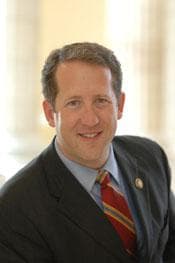
Adrian Smith
Republican Representative
Nebraska
Cosponsors (29)
David Kustoff (Republican)Steve Womack (Republican)Gregory F. Murphy (Republican)Rick W. Allen (Republican)Mark Alford (Republican)Darin LaHood (Republican)Keith Self (Republican)Mike Carey (Republican)Claudia Tenney (Republican)Beth Van Duyne (Republican)Aaron Bean (Republican)William R. Timmons (Republican)Andrew R. Garbarino (Republican)Nathaniel Moran (Republican)Rudy Yakym (Republican)Daniel Meuser (Republican)Don Bacon (Republican)Carol D. Miller (Republican)Ron Estes (Republican)W. Gregory Steube (Republican)Julia Letlow (Republican)Mark E. Amodei (Republican)Kevin Hern (Republican)Randy K. Sr. Weber (Republican)Chuck Edwards (Republican)Michael Lawler (Republican)Andrew S. Clyde (Republican)Nicole Malliotakis (Republican)Vern Buchanan (Republican)
Ways and Means Committee
- Introduced
- In Committee
- On Floor
- Passed Chamber
- Enacted
This bill, titled the "FAIR PREP Act of 2025," amends the Internal Revenue Code of 1986 to significantly restrict the Secretary of the Treasury's involvement in tax return preparation. It explicitly prohibits the Secretary from preparing any return of tax or claim for refund, with specific exceptions. This prohibition extends to any return or claim prepared using an electronic tax preparation service operated by the Secretary , such as the direct e-file system. However, the bill carves out important exceptions, ensuring that existing programs like qualified return preparation programs and the IRS Free File Program remain unaffected. The term "prepare" is defined broadly to include the completion and filing of forms, but it specifically excludes computations, corrections of mathematical errors, and the provision of fillable forms with automated calculation features. This distinction aims to prevent the Secretary from developing or operating services that directly compete with private tax preparers. The amendment applies to returns filed after 30 days following the bill's enactment. Furthermore, it imposes a limitation on future expenditures, preventing the Secretary from awarding grants or entering into contracts for the development or operation of new electronic tax preparation services without explicit congressional authorization. This measure seeks to reinforce congressional oversight over the Internal Revenue Service's activities in this area.
Suggested Questions
Get AI-generated questions to help you understand this bill better
Timeline
Introduced in House
Referred to the House Committee on Ways and Means.
Taxation
FAIR PREP Act of 2025
USA119th CongressHR-451| House
| Updated: 1/15/2025
This bill, titled the "FAIR PREP Act of 2025," amends the Internal Revenue Code of 1986 to significantly restrict the Secretary of the Treasury's involvement in tax return preparation. It explicitly prohibits the Secretary from preparing any return of tax or claim for refund, with specific exceptions. This prohibition extends to any return or claim prepared using an electronic tax preparation service operated by the Secretary , such as the direct e-file system. However, the bill carves out important exceptions, ensuring that existing programs like qualified return preparation programs and the IRS Free File Program remain unaffected. The term "prepare" is defined broadly to include the completion and filing of forms, but it specifically excludes computations, corrections of mathematical errors, and the provision of fillable forms with automated calculation features. This distinction aims to prevent the Secretary from developing or operating services that directly compete with private tax preparers. The amendment applies to returns filed after 30 days following the bill's enactment. Furthermore, it imposes a limitation on future expenditures, preventing the Secretary from awarding grants or entering into contracts for the development or operation of new electronic tax preparation services without explicit congressional authorization. This measure seeks to reinforce congressional oversight over the Internal Revenue Service's activities in this area.
Suggested Questions
Get AI-generated questions to help you understand this bill better
Timeline
Introduced in House
Referred to the House Committee on Ways and Means.
Adrian Smith
Republican Representative
Nebraska
Cosponsors (29)
David Kustoff (Republican)Steve Womack (Republican)Gregory F. Murphy (Republican)Rick W. Allen (Republican)Mark Alford (Republican)Darin LaHood (Republican)Keith Self (Republican)Mike Carey (Republican)Claudia Tenney (Republican)Beth Van Duyne (Republican)Aaron Bean (Republican)William R. Timmons (Republican)Andrew R. Garbarino (Republican)Nathaniel Moran (Republican)Rudy Yakym (Republican)Daniel Meuser (Republican)Don Bacon (Republican)Carol D. Miller (Republican)Ron Estes (Republican)W. Gregory Steube (Republican)Julia Letlow (Republican)Mark E. Amodei (Republican)Kevin Hern (Republican)Randy K. Sr. Weber (Republican)Chuck Edwards (Republican)Michael Lawler (Republican)Andrew S. Clyde (Republican)Nicole Malliotakis (Republican)Vern Buchanan (Republican)
Ways and Means Committee
Taxation
Related Bills
- Introduced
- In Committee
- On Floor
- Passed Chamber
- Enacted