SOIL Act
USA119th CongressHR-4636| House
| Updated: 7/23/2025
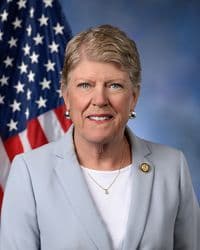
Julia Brownley
Democratic Representative
California
Agriculture Committee
- Introduced
- In Committee
- On Floor
- Passed Chamber
- Enacted
The Saving Our Interconnected Lives Act, or SOIL Act, aims to significantly bolster conservation efforts by amending the Food Security Act of 1985. Its primary goal is to encourage agricultural producers to adopt practices that simultaneously improve both soil health and wildlife habitat. This is achieved through enhanced financial incentives within existing federal conservation programs. Under the Environmental Quality Incentives Program (EQIP) , the bill mandates increased payments to producers, covering 90 percent of the costs for practices that deliver dual benefits to soil and wildlife habitat. These practices include, but are not limited to, alley cropping, conservation cover, wetland enhancement, establishing riparian buffers, planting cover crops, and implementing no-till or reduced tillage. The Secretary of Agriculture is directed to prioritize projects that address both soil and wildlife habitat resource concerns when evaluating applications. Furthermore, the bill modifies the Conservation Stewardship Program (CSP) by introducing a new category of "co-benefit activities" eligible for supplemental payments. These activities are specifically defined as conservation efforts that address both soil and wildlife habitat concerns, while also improving wildlife habitat and increasing soil carbon sequestration or reducing greenhouse gas emissions. The evaluation and ranking of CSP contract offers will now consider the extent to which a project addresses these dual resource concerns, thereby expanding support for integrated conservation approaches.
View Full TextSuggested Questions
Get AI-generated questions to help you understand this bill better
Timeline
Introduced in House
Referred to the House Committee on Agriculture.
Agriculture and Food
SOIL Act
USA119th CongressHR-4636| House
| Updated: 7/23/2025
The Saving Our Interconnected Lives Act, or SOIL Act, aims to significantly bolster conservation efforts by amending the Food Security Act of 1985. Its primary goal is to encourage agricultural producers to adopt practices that simultaneously improve both soil health and wildlife habitat. This is achieved through enhanced financial incentives within existing federal conservation programs. Under the Environmental Quality Incentives Program (EQIP) , the bill mandates increased payments to producers, covering 90 percent of the costs for practices that deliver dual benefits to soil and wildlife habitat. These practices include, but are not limited to, alley cropping, conservation cover, wetland enhancement, establishing riparian buffers, planting cover crops, and implementing no-till or reduced tillage. The Secretary of Agriculture is directed to prioritize projects that address both soil and wildlife habitat resource concerns when evaluating applications. Furthermore, the bill modifies the Conservation Stewardship Program (CSP) by introducing a new category of "co-benefit activities" eligible for supplemental payments. These activities are specifically defined as conservation efforts that address both soil and wildlife habitat concerns, while also improving wildlife habitat and increasing soil carbon sequestration or reducing greenhouse gas emissions. The evaluation and ranking of CSP contract offers will now consider the extent to which a project addresses these dual resource concerns, thereby expanding support for integrated conservation approaches.
View Full TextSuggested Questions
Get AI-generated questions to help you understand this bill better
Timeline
Introduced in House
Referred to the House Committee on Agriculture.
Julia Brownley
Democratic Representative
California
Agriculture Committee
Agriculture and Food
- Introduced
- In Committee
- On Floor
- Passed Chamber
- Enacted