End Solitary Confinement Act
USA119th CongressHR-4682| House
| Updated: 7/23/2025
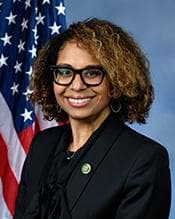
Sydney Kamlager-Dove
Democratic Representative
California
Cosponsors (24)
Dwight Evans (Democratic)Becca Balint (Democratic)Jonathan L. Jackson (Democratic)Sylvia R. Garcia (Democratic)Robin L. Kelly (Democratic)Maxwell Frost (Democratic)Melanie A. Stansbury (Democratic)Delia C. Ramirez (Democratic)Adriano Espaillat (Democratic)Henry C. "Hank" Johnson (Democratic)Sheila Cherfilus-McCormick (Democratic)Morgan McGarvey (Democratic)LaMonica McIver (Democratic)Eleanor Holmes Norton (Democratic)Bonnie Watson Coleman (Democratic)Lateefah Simon (Democratic)Summer L. Lee (Democratic)Nydia M. Velázquez (Democratic)Yvette D. Clarke (Democratic)Jesús G. "Chuy" García (Democratic)Grace Meng (Democratic)Rashida Tlaib (Democratic)Ayanna Pressley (Democratic)Judy Chu (Democratic)
Judiciary Committee, Oversight and Government Reform Committee
- Introduced
- In Committee
- On Floor
- Passed Chamber
- Enacted
The "End Solitary Confinement Act" seeks to eliminate the use of solitary confinement and other restrictive housing practices within all Federal agencies and entities contracting with them. Congress finds that solitary confinement causes devastating harm, constitutes torture, and disproportionately affects marginalized groups, while being costly and ineffective. The bill generally prohibits placing incarcerated individuals in solitary confinement in Federal facilities. Instead, it mandates a minimum of 14 hours per day of out-of-cell congregate interaction in shared spaces, including structured programming and recreation, for all persons regardless of housing unit or detention status. Very limited exceptions for solitary confinement are permitted only in emergency situations to de-escalate immediate, specific, and significant risks of serious physical injury. These emergency placements are subject to strict time limits, not exceeding 4 hours in a 24-hour period or 12 hours in a 7-day period, and require hourly de-escalation attempts by staff and health care assessments. Crucially, certain vulnerable populations are explicitly prohibited from involuntary solitary confinement, including individuals aged 25 or younger, 55 or older, those with disabilities or diagnosed mental health needs, pregnant or postpartum individuals, and LGBTQ+ persons. For any necessary separation into "alternative units" (defined as any unit more restrictive than the general population), the bill requires compliance with out-of-cell time standards, access to high-quality medical care, and trauma-informed therapeutic programming. It also prohibits limiting services, programming, contact visitation, or basic needs as punishment. Medical separations are permitted only for specific medical purposes, such as contagion or acute psychiatric crisis, under strict medical oversight and for the shortest time medically necessary. These units must also provide comparable access to amenities as the general population, with medically appropriate modifications. The bill establishes robust due process requirements for placement in alternative units, including placement hearings conducted by independent neutral decision-makers. Incarcerated persons have the right to present evidence, cross-examine witnesses, and be represented by an attorney or advocate, with appointed representation offered if needed. The use of restraints is severely restricted, allowed only to prevent imminent serious physical injury, for the least restrictive time necessary, and not exceeding 4 hours without supervisory medical approval. Special administrative measures are entirely prohibited. Federal agencies are required to report quarterly on incidents of self-harm, suicide, and placements in restrictive housing, disaggregated by various demographic factors. An independent Community Monitoring Body, composed of individuals with lived experience and advocates, will be established with broad access to facilities, records, and confidential communication with incarcerated persons to provide oversight and recommendations. To encourage broader reform, the bill creates financial incentives for states and local entities receiving federal justice grants to comply substantially with these standards, imposing a penalty of at least a 10% reduction in grant funds for non-compliance. It also establishes a private cause of action, allowing individuals harmed by violations to seek declaratory and injunctive relief, including facility closure for systemic non-compliance, and monetary damages. The legislation defines key terms like "solitary confinement" and "Federal agency" broadly to ensure comprehensive application. It mandates that Federal agencies incorporate these requirements into their standard operating procedures and prohibits the use of appropriated funds for constructing new carceral facilities or installing restrictive mechanisms.
View Full TextSuggested Questions
Get AI-generated questions to help you understand this bill better
Timeline
Introduced in House
Referred to the Committee on the Judiciary, and in addition to the Committee on Oversight and Government Reform, for a period to be subsequently determined by the Speaker, in each case for consideration of such provisions as fall within the jurisdiction of the committee concerned.
Crime and Law Enforcement
End Solitary Confinement Act
USA119th CongressHR-4682| House
| Updated: 7/23/2025
The "End Solitary Confinement Act" seeks to eliminate the use of solitary confinement and other restrictive housing practices within all Federal agencies and entities contracting with them. Congress finds that solitary confinement causes devastating harm, constitutes torture, and disproportionately affects marginalized groups, while being costly and ineffective. The bill generally prohibits placing incarcerated individuals in solitary confinement in Federal facilities. Instead, it mandates a minimum of 14 hours per day of out-of-cell congregate interaction in shared spaces, including structured programming and recreation, for all persons regardless of housing unit or detention status. Very limited exceptions for solitary confinement are permitted only in emergency situations to de-escalate immediate, specific, and significant risks of serious physical injury. These emergency placements are subject to strict time limits, not exceeding 4 hours in a 24-hour period or 12 hours in a 7-day period, and require hourly de-escalation attempts by staff and health care assessments. Crucially, certain vulnerable populations are explicitly prohibited from involuntary solitary confinement, including individuals aged 25 or younger, 55 or older, those with disabilities or diagnosed mental health needs, pregnant or postpartum individuals, and LGBTQ+ persons. For any necessary separation into "alternative units" (defined as any unit more restrictive than the general population), the bill requires compliance with out-of-cell time standards, access to high-quality medical care, and trauma-informed therapeutic programming. It also prohibits limiting services, programming, contact visitation, or basic needs as punishment. Medical separations are permitted only for specific medical purposes, such as contagion or acute psychiatric crisis, under strict medical oversight and for the shortest time medically necessary. These units must also provide comparable access to amenities as the general population, with medically appropriate modifications. The bill establishes robust due process requirements for placement in alternative units, including placement hearings conducted by independent neutral decision-makers. Incarcerated persons have the right to present evidence, cross-examine witnesses, and be represented by an attorney or advocate, with appointed representation offered if needed. The use of restraints is severely restricted, allowed only to prevent imminent serious physical injury, for the least restrictive time necessary, and not exceeding 4 hours without supervisory medical approval. Special administrative measures are entirely prohibited. Federal agencies are required to report quarterly on incidents of self-harm, suicide, and placements in restrictive housing, disaggregated by various demographic factors. An independent Community Monitoring Body, composed of individuals with lived experience and advocates, will be established with broad access to facilities, records, and confidential communication with incarcerated persons to provide oversight and recommendations. To encourage broader reform, the bill creates financial incentives for states and local entities receiving federal justice grants to comply substantially with these standards, imposing a penalty of at least a 10% reduction in grant funds for non-compliance. It also establishes a private cause of action, allowing individuals harmed by violations to seek declaratory and injunctive relief, including facility closure for systemic non-compliance, and monetary damages. The legislation defines key terms like "solitary confinement" and "Federal agency" broadly to ensure comprehensive application. It mandates that Federal agencies incorporate these requirements into their standard operating procedures and prohibits the use of appropriated funds for constructing new carceral facilities or installing restrictive mechanisms.
View Full TextSuggested Questions
Get AI-generated questions to help you understand this bill better
Timeline
Introduced in House
Referred to the Committee on the Judiciary, and in addition to the Committee on Oversight and Government Reform, for a period to be subsequently determined by the Speaker, in each case for consideration of such provisions as fall within the jurisdiction of the committee concerned.
Sydney Kamlager-Dove
Democratic Representative
California
Cosponsors (24)
Dwight Evans (Democratic)Becca Balint (Democratic)Jonathan L. Jackson (Democratic)Sylvia R. Garcia (Democratic)Robin L. Kelly (Democratic)Maxwell Frost (Democratic)Melanie A. Stansbury (Democratic)Delia C. Ramirez (Democratic)Adriano Espaillat (Democratic)Henry C. "Hank" Johnson (Democratic)Sheila Cherfilus-McCormick (Democratic)Morgan McGarvey (Democratic)LaMonica McIver (Democratic)Eleanor Holmes Norton (Democratic)Bonnie Watson Coleman (Democratic)Lateefah Simon (Democratic)Summer L. Lee (Democratic)Nydia M. Velázquez (Democratic)Yvette D. Clarke (Democratic)Jesús G. "Chuy" García (Democratic)Grace Meng (Democratic)Rashida Tlaib (Democratic)Ayanna Pressley (Democratic)Judy Chu (Democratic)
Judiciary Committee, Oversight and Government Reform Committee
Crime and Law Enforcement
Related Bills
- Introduced
- In Committee
- On Floor
- Passed Chamber
- Enacted