Newborn Screening Saves Lives Reauthorization Act of 2025
USA119th CongressHR-4709| House
| Updated: 9/10/2025
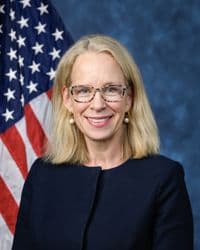
Kelly Morrison
Democratic Representative
Minnesota
Cosponsors (5)
Health Subcommittee, Energy and Commerce Committee
- Introduced
- In Committee
- On Floor
- Passed Chamber
- Enacted
This legislation, titled the Newborn Screening Saves Lives Reauthorization Act of 2025 , seeks to reauthorize and significantly enhance federal programs under part A of title XI of the Public Health Service Act, which address genetic diseases. It extends the authorization of appropriations for these vital newborn screening activities through fiscal year 2030. The bill specifically aims to improve educational programs for parents, families, and patient advocacy groups, ensuring they receive comprehensive, accessible information on newborn screening, follow-up, treatment, and long-term care, including efforts to re-engage patients who miss recommended services. Key provisions include strengthening the Advisory Committee on Heritable Disorders in Newborns and Children by requiring process improvements and the publication of consumer-friendly materials detailing the uniform screening panel nomination process. It also expands the committee's duties to provide guidance on the appropriate use of genetic testing in newborns and children. Furthermore, the bill updates laboratory quality and surveillance activities, focusing on the development of new screening tests, improved data analysis, and the standardization of data collection for real-time monitoring and tracking of long-term outcomes. The legislation also reauthorizes the Hunter Kelly Research Program , making it mandatory for the Secretary to support research that pilots reliable newborn screening technologies. It significantly increases authorized appropriations for newborn screening programs and activities, raising funding levels for grants to states and for surveillance, research, and other activities. Finally, it clarifies that research on nonidentified newborn dried blood spots is considered secondary research, streamlining ethical review for federally funded studies.
View Full TextSuggested Questions
Get AI-generated questions to help you understand this bill better
Timeline
Introduced in House
Referred to the House Committee on Energy and Commerce.
Referred to the Subcommittee on Health.
Forwarded by Subcommittee to Full Committee by Voice Vote.
Subcommittee Consideration and Mark-up Session Held
Health
Advisory bodiesChild healthDrug safety, medical device, and laboratory regulationGeneticsGovernment information and archivesHereditary and development disordersMedical researchMedical tests and diagnostic methodsPerformance measurementResearch administration and funding
Newborn Screening Saves Lives Reauthorization Act of 2025
USA119th CongressHR-4709| House
| Updated: 9/10/2025
This legislation, titled the Newborn Screening Saves Lives Reauthorization Act of 2025 , seeks to reauthorize and significantly enhance federal programs under part A of title XI of the Public Health Service Act, which address genetic diseases. It extends the authorization of appropriations for these vital newborn screening activities through fiscal year 2030. The bill specifically aims to improve educational programs for parents, families, and patient advocacy groups, ensuring they receive comprehensive, accessible information on newborn screening, follow-up, treatment, and long-term care, including efforts to re-engage patients who miss recommended services. Key provisions include strengthening the Advisory Committee on Heritable Disorders in Newborns and Children by requiring process improvements and the publication of consumer-friendly materials detailing the uniform screening panel nomination process. It also expands the committee's duties to provide guidance on the appropriate use of genetic testing in newborns and children. Furthermore, the bill updates laboratory quality and surveillance activities, focusing on the development of new screening tests, improved data analysis, and the standardization of data collection for real-time monitoring and tracking of long-term outcomes. The legislation also reauthorizes the Hunter Kelly Research Program , making it mandatory for the Secretary to support research that pilots reliable newborn screening technologies. It significantly increases authorized appropriations for newborn screening programs and activities, raising funding levels for grants to states and for surveillance, research, and other activities. Finally, it clarifies that research on nonidentified newborn dried blood spots is considered secondary research, streamlining ethical review for federally funded studies.
View Full TextSuggested Questions
Get AI-generated questions to help you understand this bill better
Timeline
Introduced in House
Referred to the House Committee on Energy and Commerce.
Referred to the Subcommittee on Health.
Forwarded by Subcommittee to Full Committee by Voice Vote.
Subcommittee Consideration and Mark-up Session Held
Kelly Morrison
Democratic Representative
Minnesota
Cosponsors (5)
Health Subcommittee, Energy and Commerce Committee
Health
- Introduced
- In Committee
- On Floor
- Passed Chamber
- Enacted
Advisory bodiesChild healthDrug safety, medical device, and laboratory regulationGeneticsGovernment information and archivesHereditary and development disordersMedical researchMedical tests and diagnostic methodsPerformance measurementResearch administration and funding