Ethics in Energy Act of 2025
USA119th CongressHR-4785| House
| Updated: 7/29/2025
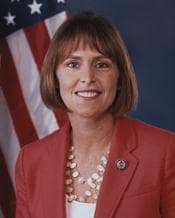
Kathy Castor
Democratic Representative
Florida
Cosponsors (12)
Laura Friedman (Democratic)Jared Huffman (Democratic)Jennifer L. McClellan (Democratic)Eugene Simon Vindman (Democratic)Shri Thanedar (Democratic)Doris O. Matsui (Democratic)Alexandria Ocasio-Cortez (Democratic)Summer L. Lee (Democratic)Kevin Mullin (Democratic)Rashida Tlaib (Democratic)Chellie Pingree (Democratic)Mike Levin (Democratic)
Energy and Commerce Committee
- Introduced
- In Committee
- On Floor
- Passed Chamber
- Enacted
The Ethics in Energy Act of 2025 aims to prevent large utility companies from passing the costs of their political influence activities onto consumers. It specifically directs the Federal Energy Regulatory Commission (FERC) to prohibit "covered utilities," which include major electric and natural gas companies, from recovering "covered expenses" from ratepayers. These covered expenses encompass a broad range of direct or indirect spending on political influence activities, such as lobbying, influencing elections or referenda, public opinion campaigns, and certain payments to trade associations. Within 18 months of enactment, FERC must issue regulations to enforce this prohibition and amend its Uniform System of Accounts to ensure these expenses are not recoverable from ratepayers. The bill also mandates annual, detailed reporting from covered utilities, requiring itemized lists of expenses related to political activities, outside services, and administrative costs, including unredacted information on billing, payees, and the purpose of each expense. FERC is tasked with monitoring compliance and investigating non-compliance, assessing penalties for violations that range from the amount of the covered expense to up to 20 times the expense, depending on the amount improperly charged. Importantly, these penalties cannot be recovered from ratepayers, and half of the collected penalty funds will be distributed back to ratepayers as a rebate, with the other half allocated to FERC for enforcement resources.
View Full TextSuggested Questions
Get AI-generated questions to help you understand this bill better
Timeline
Introduced in House
Referred to the House Committee on Energy and Commerce.
Energy
Ethics in Energy Act of 2025
USA119th CongressHR-4785| House
| Updated: 7/29/2025
The Ethics in Energy Act of 2025 aims to prevent large utility companies from passing the costs of their political influence activities onto consumers. It specifically directs the Federal Energy Regulatory Commission (FERC) to prohibit "covered utilities," which include major electric and natural gas companies, from recovering "covered expenses" from ratepayers. These covered expenses encompass a broad range of direct or indirect spending on political influence activities, such as lobbying, influencing elections or referenda, public opinion campaigns, and certain payments to trade associations. Within 18 months of enactment, FERC must issue regulations to enforce this prohibition and amend its Uniform System of Accounts to ensure these expenses are not recoverable from ratepayers. The bill also mandates annual, detailed reporting from covered utilities, requiring itemized lists of expenses related to political activities, outside services, and administrative costs, including unredacted information on billing, payees, and the purpose of each expense. FERC is tasked with monitoring compliance and investigating non-compliance, assessing penalties for violations that range from the amount of the covered expense to up to 20 times the expense, depending on the amount improperly charged. Importantly, these penalties cannot be recovered from ratepayers, and half of the collected penalty funds will be distributed back to ratepayers as a rebate, with the other half allocated to FERC for enforcement resources.
View Full TextSuggested Questions
Get AI-generated questions to help you understand this bill better
Timeline
Introduced in House
Referred to the House Committee on Energy and Commerce.
Kathy Castor
Democratic Representative
Florida
Cosponsors (12)
Laura Friedman (Democratic)Jared Huffman (Democratic)Jennifer L. McClellan (Democratic)Eugene Simon Vindman (Democratic)Shri Thanedar (Democratic)Doris O. Matsui (Democratic)Alexandria Ocasio-Cortez (Democratic)Summer L. Lee (Democratic)Kevin Mullin (Democratic)Rashida Tlaib (Democratic)Chellie Pingree (Democratic)Mike Levin (Democratic)
Energy and Commerce Committee
Energy
- Introduced
- In Committee
- On Floor
- Passed Chamber
- Enacted