WINGS Act
USA119th CongressHR-4805| House
| Updated: 10/22/2025
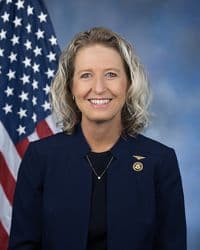
Jennifer A. Kiggans
Republican Representative
Virginia
Cosponsors (10)
Health Subcommittee, Veterans' Affairs Committee
- Introduced
- In Committee
- On Floor
- Passed Chamber
- Enacted
This bill, known as the "Warrior Impact from Neurological and G-Force Stress Act" or "WINGS Act," directs the Secretary of Veterans Affairs to undertake a comprehensive, longitudinal study. This study will assess the long-term physiological and psychological effects of military aviation, specifically focusing on high-performance flight and G-force exposure, on military aviators. The study is mandated to examine several critical areas, including the relationship between cumulative flight hours and G-forces with incidents of traumatic brain injury, sub-concussive trauma, or cognitive impairment. It will also investigate long-term mental health outcomes, such as depression, anxiety disorders, and post-traumatic stress disorder, comparing aviators to other service members, and explore the correlation between aviation-related physiological stress and suicide risk. Furthermore, the study will assess the prevalence of neurodegenerative conditions like chronic traumatic encephalopathy, amyotrophic lateral sclerosis, and Parkinson's disease among current and former military aviators. It will also analyze the impact of cockpit environmental factors, such as helmet design and oxygen systems, on neurocognitive health, and evaluate current screening and diagnostic procedures for early detection of neurological injury or psychological distress. A key provision of the bill is the establishment of a centralized Military Aviator Neurohealth Registry by the Secretary of Veterans Affairs. This registry will include anonymized health data, flight exposure metrics, and a mechanism for longitudinal follow-up with participating military aviators, with interim and final reports on the study's findings and recommendations to be submitted to Congress.
View Full TextSuggested Questions
Get AI-generated questions to help you understand this bill better
Timeline
Introduced in House
Referred to the House Committee on Veterans' Affairs.
Referred to the Subcommittee on Health.
Armed Forces and National Security
WINGS Act
USA119th CongressHR-4805| House
| Updated: 10/22/2025
This bill, known as the "Warrior Impact from Neurological and G-Force Stress Act" or "WINGS Act," directs the Secretary of Veterans Affairs to undertake a comprehensive, longitudinal study. This study will assess the long-term physiological and psychological effects of military aviation, specifically focusing on high-performance flight and G-force exposure, on military aviators. The study is mandated to examine several critical areas, including the relationship between cumulative flight hours and G-forces with incidents of traumatic brain injury, sub-concussive trauma, or cognitive impairment. It will also investigate long-term mental health outcomes, such as depression, anxiety disorders, and post-traumatic stress disorder, comparing aviators to other service members, and explore the correlation between aviation-related physiological stress and suicide risk. Furthermore, the study will assess the prevalence of neurodegenerative conditions like chronic traumatic encephalopathy, amyotrophic lateral sclerosis, and Parkinson's disease among current and former military aviators. It will also analyze the impact of cockpit environmental factors, such as helmet design and oxygen systems, on neurocognitive health, and evaluate current screening and diagnostic procedures for early detection of neurological injury or psychological distress. A key provision of the bill is the establishment of a centralized Military Aviator Neurohealth Registry by the Secretary of Veterans Affairs. This registry will include anonymized health data, flight exposure metrics, and a mechanism for longitudinal follow-up with participating military aviators, with interim and final reports on the study's findings and recommendations to be submitted to Congress.
View Full TextSuggested Questions
Get AI-generated questions to help you understand this bill better
Timeline
Introduced in House
Referred to the House Committee on Veterans' Affairs.
Referred to the Subcommittee on Health.
Jennifer A. Kiggans
Republican Representative
Virginia
Cosponsors (10)
Health Subcommittee, Veterans' Affairs Committee
Armed Forces and National Security
- Introduced
- In Committee
- On Floor
- Passed Chamber
- Enacted