Muhammad Ali Congressional Gold Medal Act
USA119th CongressHR-485| House
| Updated: 1/16/2025
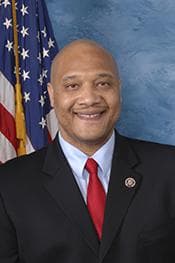
André Carson
Democratic Representative
Indiana
Cosponsors (86)
John W. Mannion (Democratic)Dwight Evans (Democratic)Stacey E. Plaskett (Democratic)Nikema Williams (Democratic)John Garamendi (Democratic)Jonathan L. Jackson (Democratic)Gilbert Ray Cisneros (Democratic)Sylvia R. Garcia (Democratic)Eric A. "Rick" Crawford (Republican)Marc A. Veasey (Democratic)Mikie Sherrill (Democratic)Robin L. Kelly (Democratic)Shomari Figures (Democratic)Julie Johnson (Democratic)Raúl M. Grijalva (Democratic)Ritchie Torres (Democratic)Joyce Beatty (Democratic)Christopher R. Deluzio (Democratic)Emanuel Cleaver (Democratic)Sanford D. Bishop (Democratic)Ilhan Omar (Democratic)Greg Landsman (Democratic)David Scott (Democratic)Kristen McDonald Rivet (Democratic)Frederica S. Wilson (Democratic)Juan Vargas (Democratic)Aaron Bean (Republican)Troy A. Carter (Democratic)Steven Horsford (Democratic)Maxwell Frost (Democratic)Debbie Dingell (Democratic)Melanie A. Stansbury (Democratic)Steve Cohen (Democratic)Angie Craig (Democratic)Thomas R. Suozzi (Democratic)Shri Thanedar (Democratic)Frank J. Mrvan (Democratic)Danny K. Davis (Democratic)Ted Lieu (Democratic)Maria Elvira Salazar (Republican)George Latimer (Democratic)Jasmine Crockett (Democratic)Henry C. "Hank" Johnson (Democratic)Sheila Cherfilus-McCormick (Democratic)Al Green (Democratic)John B. Larson (Democratic)Stephen F. Lynch (Democratic)Marilyn Strickland (Democratic)Gregory W. Meeks (Democratic)Jahana Hayes (Democratic)Morgan McGarvey (Democratic)Raja Krishnamoorthi (Democratic)LaMonica McIver (Democratic)Alma S. Adams (Democratic)Josh Harder (Democratic)Sydney Kamlager-Dove (Democratic)Kathy Castor (Democratic)Eleanor Holmes Norton (Democratic)Sharice Davids (Democratic)Wesley Bell (Democratic)Byron Donalds (Republican)Jim Costa (Democratic)Mike Quigley (Democratic)Janice D. Schakowsky (Democratic)James P. McGovern (Democratic)Alexandria Ocasio-Cortez (Democratic)Summer L. Lee (Democratic)Nydia M. Velázquez (Democratic)Julia Brownley (Democratic)William R. Keating (Democratic)Yvette D. Clarke (Democratic)Bennie G. Thompson (Democratic)Sylvester Turner (Democratic)Burgess Owens (Republican)Jared Moskowitz (Democratic)Luz M. Rivas (Democratic)Josh Gottheimer (Democratic)Kevin Mullin (Democratic)Teresa Leger Fernandez (Democratic)Gwen Moore (Democratic)Valerie P. Foushee (Democratic)Rashida Tlaib (Democratic)Kweisi Mfume (Democratic)Ayanna Pressley (Democratic)Ryan Mackenzie (Republican)Lloyd Doggett (Democratic)
Financial Services Committee
- Introduced
- In Committee
- On Floor
- Passed Chamber
- Enacted
This legislation, known as the "Muhammad Ali Congressional Gold Medal Act," proposes to posthumously award a Congressional Gold Medal to Muhammad Ali . This honor is intended to recognize his profound and multifaceted contributions to the United States, spanning his legendary athletic career and his impactful humanitarian and civil rights advocacy. The bill highlights Ali's remarkable life, from his Olympic gold medal and unprecedented three heavyweight boxing titles to his principled stance as a conscientious objector during the Vietnam War, which was ultimately upheld by the Supreme Court. Beyond sports, he was a prominent figure in the Civil Rights Movement , battling issues of race and religion and earning numerous awards for his support of racial harmony. Muhammad Ali dedicated much of his life to universal human rights and peace, even after his Parkinson's diagnosis. His humanitarian efforts included diplomatic missions for President Carter, securing the release of hostages in the first Gulf War, and serving as a U.N. Messenger of Peace. He also supported various charitable organizations, co-founded the Muhammad Ali Parkinson Center, and established the Muhammad Ali Center to promote respect, hope, and understanding. The bill mandates that the Speaker of the House and the President pro tempore of the Senate arrange for the medal's presentation, which will then be transferred to his wife, Lonnie Ali. Additionally, the Secretary of the Treasury is authorized to strike and sell duplicate bronze medals to the public, with proceeds deposited into the United States Mint Public Enterprise Fund.
Suggested Questions
Get AI-generated questions to help you understand this bill better
Timeline
Introduced in House
Referred to the House Committee on Financial Services.
Sponsor introductory remarks on measure. (CR E43-44)
Sports and Recreation
Muhammad Ali Congressional Gold Medal Act
USA119th CongressHR-485| House
| Updated: 1/16/2025
This legislation, known as the "Muhammad Ali Congressional Gold Medal Act," proposes to posthumously award a Congressional Gold Medal to Muhammad Ali . This honor is intended to recognize his profound and multifaceted contributions to the United States, spanning his legendary athletic career and his impactful humanitarian and civil rights advocacy. The bill highlights Ali's remarkable life, from his Olympic gold medal and unprecedented three heavyweight boxing titles to his principled stance as a conscientious objector during the Vietnam War, which was ultimately upheld by the Supreme Court. Beyond sports, he was a prominent figure in the Civil Rights Movement , battling issues of race and religion and earning numerous awards for his support of racial harmony. Muhammad Ali dedicated much of his life to universal human rights and peace, even after his Parkinson's diagnosis. His humanitarian efforts included diplomatic missions for President Carter, securing the release of hostages in the first Gulf War, and serving as a U.N. Messenger of Peace. He also supported various charitable organizations, co-founded the Muhammad Ali Parkinson Center, and established the Muhammad Ali Center to promote respect, hope, and understanding. The bill mandates that the Speaker of the House and the President pro tempore of the Senate arrange for the medal's presentation, which will then be transferred to his wife, Lonnie Ali. Additionally, the Secretary of the Treasury is authorized to strike and sell duplicate bronze medals to the public, with proceeds deposited into the United States Mint Public Enterprise Fund.
Suggested Questions
Get AI-generated questions to help you understand this bill better
Timeline
Introduced in House
Referred to the House Committee on Financial Services.
Sponsor introductory remarks on measure. (CR E43-44)
André Carson
Democratic Representative
Indiana
Cosponsors (86)
John W. Mannion (Democratic)Dwight Evans (Democratic)Stacey E. Plaskett (Democratic)Nikema Williams (Democratic)John Garamendi (Democratic)Jonathan L. Jackson (Democratic)Gilbert Ray Cisneros (Democratic)Sylvia R. Garcia (Democratic)Eric A. "Rick" Crawford (Republican)Marc A. Veasey (Democratic)Mikie Sherrill (Democratic)Robin L. Kelly (Democratic)Shomari Figures (Democratic)Julie Johnson (Democratic)Raúl M. Grijalva (Democratic)Ritchie Torres (Democratic)Joyce Beatty (Democratic)Christopher R. Deluzio (Democratic)Emanuel Cleaver (Democratic)Sanford D. Bishop (Democratic)Ilhan Omar (Democratic)Greg Landsman (Democratic)David Scott (Democratic)Kristen McDonald Rivet (Democratic)Frederica S. Wilson (Democratic)Juan Vargas (Democratic)Aaron Bean (Republican)Troy A. Carter (Democratic)Steven Horsford (Democratic)Maxwell Frost (Democratic)Debbie Dingell (Democratic)Melanie A. Stansbury (Democratic)Steve Cohen (Democratic)Angie Craig (Democratic)Thomas R. Suozzi (Democratic)Shri Thanedar (Democratic)Frank J. Mrvan (Democratic)Danny K. Davis (Democratic)Ted Lieu (Democratic)Maria Elvira Salazar (Republican)George Latimer (Democratic)Jasmine Crockett (Democratic)Henry C. "Hank" Johnson (Democratic)Sheila Cherfilus-McCormick (Democratic)Al Green (Democratic)John B. Larson (Democratic)Stephen F. Lynch (Democratic)Marilyn Strickland (Democratic)Gregory W. Meeks (Democratic)Jahana Hayes (Democratic)Morgan McGarvey (Democratic)Raja Krishnamoorthi (Democratic)LaMonica McIver (Democratic)Alma S. Adams (Democratic)Josh Harder (Democratic)Sydney Kamlager-Dove (Democratic)Kathy Castor (Democratic)Eleanor Holmes Norton (Democratic)Sharice Davids (Democratic)Wesley Bell (Democratic)Byron Donalds (Republican)Jim Costa (Democratic)Mike Quigley (Democratic)Janice D. Schakowsky (Democratic)James P. McGovern (Democratic)Alexandria Ocasio-Cortez (Democratic)Summer L. Lee (Democratic)Nydia M. Velázquez (Democratic)Julia Brownley (Democratic)William R. Keating (Democratic)Yvette D. Clarke (Democratic)Bennie G. Thompson (Democratic)Sylvester Turner (Democratic)Burgess Owens (Republican)Jared Moskowitz (Democratic)Luz M. Rivas (Democratic)Josh Gottheimer (Democratic)Kevin Mullin (Democratic)Teresa Leger Fernandez (Democratic)Gwen Moore (Democratic)Valerie P. Foushee (Democratic)Rashida Tlaib (Democratic)Kweisi Mfume (Democratic)Ayanna Pressley (Democratic)Ryan Mackenzie (Republican)Lloyd Doggett (Democratic)
Financial Services Committee
Sports and Recreation
Related Bills
- Introduced
- In Committee
- On Floor
- Passed Chamber
- Enacted