TRAPS Act
USA119th CongressHR-4936| House
| Updated: 8/8/2025
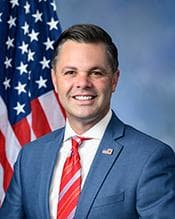
Zachary Nunn
Republican Representative
Iowa
Cosponsors (36)
Frank D. Lucas (Republican)Joyce Beatty (Democratic)Darren Soto (Democratic)Robert J. Wittman (Republican)David Scott (Democratic)Terri A. Sewell (Democratic)Eugene Simon Vindman (Democratic)Young Kim (Republican)J. Luis Correa (Democratic)William R. Timmons (Republican)Pete Sessions (Republican)Andrea Salinas (Democratic)Maria Elvira Salazar (Republican)Barry Loudermilk (Republican)Derek Tran (Democratic)Daniel Meuser (Republican)Christopher H. Smith (Republican)Roger Williams (Republican)James A. Himes (Democratic)Brittany Pettersen (Democratic)Ami Bera (Democratic)Brad Sherman (Democratic)Pat Harrigan (Republican)Josh Riley (Democratic)Jamie Raskin (Democratic)Donald S. Beyer (Democratic)David G. Valadao (Republican)Seth Magaziner (Democratic)Brian K. Fitzpatrick (Republican)Randy K. Sr. Weber (Republican)Michael Lawler (Republican)Tracey Mann (Republican)Tim Moore (Republican)Bryan Steil (Republican)Nicole Malliotakis (Republican)Vern Buchanan (Republican)
Financial Services Committee
- Introduced
- In Committee
- On Floor
- Passed Chamber
- Enacted
The Taskforce for Recognizing and Averting Payment Scams Act, or the TRAPS Act , mandates the establishment of a Task Force on Payment Scams by the Secretary of the Treasury within 90 days of its enactment. This Task Force is charged with examining current trends and developments in payment scams, identifying effective prevention methods, and issuing comprehensive recommendations to enhance efforts against these activities. Its purpose is to adopt a cross-sector approach, ensuring its recommendations reflect the broad impact of scams across financial services, telecommunications, and technology sectors. The Task Force will be chaired by the Secretary of the Treasury and comprise representatives from numerous federal agencies, including the Bureau of Consumer Financial Protection, Federal Communications Commission, Federal Trade Commission, Department of Justice, and the Federal Reserve System. Additionally, it will include representatives from financial institutions, credit unions, digital payment networks, community banks, consumer groups, technology associations, and individuals representing victims and scam support networks. Key duties involve evaluating best practices for combating scam methods like spoofed calls and malicious websites, assessing international prevention strategies, and developing consumer education programs to help individuals identify, avoid, and report scam attempts. Furthermore, the Task Force is responsible for coordinating efforts to identify and pursue perpetrators of payment scams, consulting with various stakeholders, and determining if additional federal legislation would benefit law enforcement and industry in mitigating these scams, including those involving business email compromise. Within one year of its establishment, the Task Force must submit a detailed report to Congress, outlining its findings, strategies, and legislative or regulatory recommendations, with annual updates thereafter. The Task Force is set to terminate three years after submitting its initial report.
View Full TextSuggested Questions
Get AI-generated questions to help you understand this bill better
Timeline
Introduced in House
Referred to the House Committee on Financial Services.
Finance and Financial Sector
TRAPS Act
USA119th CongressHR-4936| House
| Updated: 8/8/2025
The Taskforce for Recognizing and Averting Payment Scams Act, or the TRAPS Act , mandates the establishment of a Task Force on Payment Scams by the Secretary of the Treasury within 90 days of its enactment. This Task Force is charged with examining current trends and developments in payment scams, identifying effective prevention methods, and issuing comprehensive recommendations to enhance efforts against these activities. Its purpose is to adopt a cross-sector approach, ensuring its recommendations reflect the broad impact of scams across financial services, telecommunications, and technology sectors. The Task Force will be chaired by the Secretary of the Treasury and comprise representatives from numerous federal agencies, including the Bureau of Consumer Financial Protection, Federal Communications Commission, Federal Trade Commission, Department of Justice, and the Federal Reserve System. Additionally, it will include representatives from financial institutions, credit unions, digital payment networks, community banks, consumer groups, technology associations, and individuals representing victims and scam support networks. Key duties involve evaluating best practices for combating scam methods like spoofed calls and malicious websites, assessing international prevention strategies, and developing consumer education programs to help individuals identify, avoid, and report scam attempts. Furthermore, the Task Force is responsible for coordinating efforts to identify and pursue perpetrators of payment scams, consulting with various stakeholders, and determining if additional federal legislation would benefit law enforcement and industry in mitigating these scams, including those involving business email compromise. Within one year of its establishment, the Task Force must submit a detailed report to Congress, outlining its findings, strategies, and legislative or regulatory recommendations, with annual updates thereafter. The Task Force is set to terminate three years after submitting its initial report.
View Full TextSuggested Questions
Get AI-generated questions to help you understand this bill better
Timeline
Introduced in House
Referred to the House Committee on Financial Services.
Zachary Nunn
Republican Representative
Iowa
Cosponsors (36)
Frank D. Lucas (Republican)Joyce Beatty (Democratic)Darren Soto (Democratic)Robert J. Wittman (Republican)David Scott (Democratic)Terri A. Sewell (Democratic)Eugene Simon Vindman (Democratic)Young Kim (Republican)J. Luis Correa (Democratic)William R. Timmons (Republican)Pete Sessions (Republican)Andrea Salinas (Democratic)Maria Elvira Salazar (Republican)Barry Loudermilk (Republican)Derek Tran (Democratic)Daniel Meuser (Republican)Christopher H. Smith (Republican)Roger Williams (Republican)James A. Himes (Democratic)Brittany Pettersen (Democratic)Ami Bera (Democratic)Brad Sherman (Democratic)Pat Harrigan (Republican)Josh Riley (Democratic)Jamie Raskin (Democratic)Donald S. Beyer (Democratic)David G. Valadao (Republican)Seth Magaziner (Democratic)Brian K. Fitzpatrick (Republican)Randy K. Sr. Weber (Republican)Michael Lawler (Republican)Tracey Mann (Republican)Tim Moore (Republican)Bryan Steil (Republican)Nicole Malliotakis (Republican)Vern Buchanan (Republican)
Financial Services Committee
Finance and Financial Sector
Related Bills
- Introduced
- In Committee
- On Floor
- Passed Chamber
- Enacted