Enduring Welcome Act of 2025
USA119th CongressHR-4995| House
| Updated: 8/19/2025
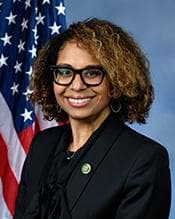
Sydney Kamlager-Dove
Democratic Representative
California
Cosponsors (42)
Yassamin Ansari (Democratic)Becca Balint (Democratic)Julie Johnson (Democratic)Neal P. Dunn (Republican)Zachary Nunn (Republican)Michael Baumgartner (Republican)Greg Landsman (Democratic)James R. Walkinshaw (Democratic)Dina Titus (Democratic)Steve Cohen (Democratic)Scott H. Peters (Democratic)Jake Auchincloss (Democratic)Greg Stanton (Democratic)Henry C. "Hank" Johnson (Democratic)André Carson (Democratic)Joaquin Castro (Democratic)Joseph D. Morelle (Democratic)Richard Hudson (Republican)Sara Jacobs (Democratic)Suhas Subramanyam (Democratic)Daniel S. Goldman (Democratic)Gregory W. Meeks (Democratic)Jerrold Nadler (Democratic)Ami Bera (Democratic)Josh Harder (Democratic)Blake D. Moore (Republican)Pramila Jayapal (Democratic)Charles J. "Chuck" Fleischmann (Republican)Eleanor Holmes Norton (Democratic)Brad Sherman (Democratic)Michael T. McCaul (Republican)Aumua Amata Coleman Radewagen (Republican)Janice D. Schakowsky (Democratic)William R. Keating (Democratic)Sarah McBride (Democratic)Dan Crenshaw (Republican)Brian K. Fitzpatrick (Republican)Bill Huizenga (Republican)Lori Trahan (Democratic)Michael Lawler (Republican)Jason Crow (Democratic)Mike Levin (Democratic)
Foreign Affairs Committee, Judiciary Committee
- Introduced
- In Committee
- On Floor
- Passed Chamber
- Enacted
The "Enduring Welcome Act of 2025" aims to strengthen and formalize the United States' commitment to Afghan relocation efforts by modifying the responsibilities of the Coordinator for Afghan Relocation Efforts (CARE). It establishes an Office of the Coordinator for Afghan Relocation Efforts within the Department of State, reflecting a bipartisan commitment to fulfilling wartime promises and ensuring accountability. The bill significantly expands the Coordinator's duties, including leading interagency coordination for vetting, security screening, and case processing of eligible Afghan allies across the Departments of State, Homeland Security, and Defense. The Coordinator will also facilitate relocation and resettlement logistics, address family reunification barriers —especially for U.S. active-duty servicemembers and veterans—and coordinate integration support such as trauma recovery and medical care. A key provision mandates the collection of comprehensive information on Afghan applicants, beneficiaries, and relocated individuals, including their status, family reunification cases, and processing times. This data will be maintained in a secure, centralized database established by the Secretary of State, which must be usable for operational reporting, oversight, and coordination. The Secretary is required to submit regular reports to Congress every 90 days on the status of these metrics, ensuring transparency and accountability in the relocation process. The Act defines "covered persons" broadly to include U.S. citizens, lawful permanent residents, Special Immigrant Visa (SIV) applicants, refugees, and their immediate family members. The authorities provided by this Act, including the extended role of the Coordinator, are set to terminate five years after its enactment, with a provision for continued database maintenance notification to Congress.
View Full TextSuggested Questions
Get AI-generated questions to help you understand this bill better
Timeline
Introduced in House
Referred to the Committee on Foreign Affairs, and in addition to the Committee on the Judiciary, for a period to be subsequently determined by the Speaker, in each case for consideration of such provisions as fall within the jurisdiction of the committee concerned.
International Affairs
Enduring Welcome Act of 2025
USA119th CongressHR-4995| House
| Updated: 8/19/2025
The "Enduring Welcome Act of 2025" aims to strengthen and formalize the United States' commitment to Afghan relocation efforts by modifying the responsibilities of the Coordinator for Afghan Relocation Efforts (CARE). It establishes an Office of the Coordinator for Afghan Relocation Efforts within the Department of State, reflecting a bipartisan commitment to fulfilling wartime promises and ensuring accountability. The bill significantly expands the Coordinator's duties, including leading interagency coordination for vetting, security screening, and case processing of eligible Afghan allies across the Departments of State, Homeland Security, and Defense. The Coordinator will also facilitate relocation and resettlement logistics, address family reunification barriers —especially for U.S. active-duty servicemembers and veterans—and coordinate integration support such as trauma recovery and medical care. A key provision mandates the collection of comprehensive information on Afghan applicants, beneficiaries, and relocated individuals, including their status, family reunification cases, and processing times. This data will be maintained in a secure, centralized database established by the Secretary of State, which must be usable for operational reporting, oversight, and coordination. The Secretary is required to submit regular reports to Congress every 90 days on the status of these metrics, ensuring transparency and accountability in the relocation process. The Act defines "covered persons" broadly to include U.S. citizens, lawful permanent residents, Special Immigrant Visa (SIV) applicants, refugees, and their immediate family members. The authorities provided by this Act, including the extended role of the Coordinator, are set to terminate five years after its enactment, with a provision for continued database maintenance notification to Congress.
View Full TextSuggested Questions
Get AI-generated questions to help you understand this bill better
Timeline
Introduced in House
Referred to the Committee on Foreign Affairs, and in addition to the Committee on the Judiciary, for a period to be subsequently determined by the Speaker, in each case for consideration of such provisions as fall within the jurisdiction of the committee concerned.
Sydney Kamlager-Dove
Democratic Representative
California
Cosponsors (42)
Yassamin Ansari (Democratic)Becca Balint (Democratic)Julie Johnson (Democratic)Neal P. Dunn (Republican)Zachary Nunn (Republican)Michael Baumgartner (Republican)Greg Landsman (Democratic)James R. Walkinshaw (Democratic)Dina Titus (Democratic)Steve Cohen (Democratic)Scott H. Peters (Democratic)Jake Auchincloss (Democratic)Greg Stanton (Democratic)Henry C. "Hank" Johnson (Democratic)André Carson (Democratic)Joaquin Castro (Democratic)Joseph D. Morelle (Democratic)Richard Hudson (Republican)Sara Jacobs (Democratic)Suhas Subramanyam (Democratic)Daniel S. Goldman (Democratic)Gregory W. Meeks (Democratic)Jerrold Nadler (Democratic)Ami Bera (Democratic)Josh Harder (Democratic)Blake D. Moore (Republican)Pramila Jayapal (Democratic)Charles J. "Chuck" Fleischmann (Republican)Eleanor Holmes Norton (Democratic)Brad Sherman (Democratic)Michael T. McCaul (Republican)Aumua Amata Coleman Radewagen (Republican)Janice D. Schakowsky (Democratic)William R. Keating (Democratic)Sarah McBride (Democratic)Dan Crenshaw (Republican)Brian K. Fitzpatrick (Republican)Bill Huizenga (Republican)Lori Trahan (Democratic)Michael Lawler (Republican)Jason Crow (Democratic)Mike Levin (Democratic)
Foreign Affairs Committee, Judiciary Committee
International Affairs
- Introduced
- In Committee
- On Floor
- Passed Chamber
- Enacted