Freedom From Union Violence Act of 2025
USA119th CongressHR-5054| House
| Updated: 8/26/2025
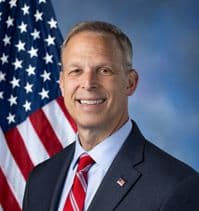
Scott Perry
Republican Representative
Pennsylvania
Cosponsors (6)
Judiciary Committee
- Introduced
- In Committee
- On Floor
- Passed Chamber
- Enacted
This legislation significantly amends section 1951 of title 18, United States Code, commonly known as the Hobbs Act, to broaden its application and increase penalties. It explicitly includes committing or threatening physical violence to any person or property as a federal offense when done in furtherance of a plan to obstruct commerce by robbery or extortion. The bill also substantially increases the maximum penalties for violations, raising fines to $100,000 and imprisonment terms to 20 years. A central provision introduces an important exception for certain conduct occurring during labor disputes. The federal prohibition will not apply to acts that are incidental to otherwise peaceful picketing , consist solely of minor bodily injury or minor damage to property , or the threat thereof, and are not part of a pattern of violent or coordinated activity. For any violations involving this exempted conduct, prosecution would be exclusively handled by appropriate state and local authorities, thereby limiting federal jurisdiction in these specific instances. The bill further clarifies that it does not affect other major labor laws, such as the National Labor Relations Act or the Norris-LaGuardia Act.
View Full TextSuggested Questions
Get AI-generated questions to help you understand this bill better
Timeline
Introduced in House
Referred to the House Committee on the Judiciary.
Crime and Law Enforcement
Freedom From Union Violence Act of 2025
USA119th CongressHR-5054| House
| Updated: 8/26/2025
This legislation significantly amends section 1951 of title 18, United States Code, commonly known as the Hobbs Act, to broaden its application and increase penalties. It explicitly includes committing or threatening physical violence to any person or property as a federal offense when done in furtherance of a plan to obstruct commerce by robbery or extortion. The bill also substantially increases the maximum penalties for violations, raising fines to $100,000 and imprisonment terms to 20 years. A central provision introduces an important exception for certain conduct occurring during labor disputes. The federal prohibition will not apply to acts that are incidental to otherwise peaceful picketing , consist solely of minor bodily injury or minor damage to property , or the threat thereof, and are not part of a pattern of violent or coordinated activity. For any violations involving this exempted conduct, prosecution would be exclusively handled by appropriate state and local authorities, thereby limiting federal jurisdiction in these specific instances. The bill further clarifies that it does not affect other major labor laws, such as the National Labor Relations Act or the Norris-LaGuardia Act.
View Full TextSuggested Questions
Get AI-generated questions to help you understand this bill better
Timeline
Introduced in House
Referred to the House Committee on the Judiciary.
Scott Perry
Republican Representative
Pennsylvania
Cosponsors (6)
Judiciary Committee
Crime and Law Enforcement
Related Bills
- Introduced
- In Committee
- On Floor
- Passed Chamber
- Enacted