Western Hemisphere Nearshoring Act
USA119th CongressHR-509| House
| Updated: 1/16/2025
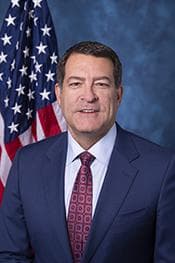
Mark E. Green
Republican Representative
Tennessee
Ways and Means Committee, Foreign Affairs Committee
- Introduced
- In Committee
- On Floor
- Passed Chamber
- Enacted
The "Western Hemisphere Nearshoring Act" seeks to diminish United States reliance on manufacturing from the People's Republic of China and address migration driven by a lack of economic opportunities in the Western Hemisphere. It mandates the United States International Development Finance Corporation (DFC) to allocate at least 10 percent of its annual financing to support companies relocating from China to Latin American or Caribbean nations. This financial assistance covers qualified moving expenses, necessary workforce development costs, and offers reduced interest rates on DFC loans. To further encourage this relocation, the bill authorizes the President to grant duty-free treatment for goods and services produced by these qualifying corporations in Latin American or Caribbean countries for a 15-year period. However, companies must meet strict conditions to receive assistance, including creating jobs in the host country and making a binding commitment to avoid ownership or control by foreign adversaries like China or Russia. All relevant assets must be moved from China within two years and retained in the Western Hemisphere, with non-compliance leading to loss of benefits. The legislation also establishes a trust fund, financed by tariffs collected on goods from the People's Republic of China, to offset revenue reductions from DFC assistance. It amends the BUILD Act of 2018 to prioritize support for U.S.-owned businesses and critical industries, while prohibiting DFC support for foreign government-owned entities, with limited exceptions. Furthermore, the bill directs the U.S. Trade Representative to pursue new trade agreements with Western Hemisphere countries that commit to reducing illegal migration, decreasing economic dependence on China, and allowing Taiwan to establish a commercial office. Beyond trade, the President is authorized to negotiate agreements for nuclear reactor sales to qualifying Latin American and Caribbean countries or corporations, provided national security is not threatened and the countries meet the aforementioned conditions regarding migration, China dependence, and Taiwan. Finally, the bill introduces a temporary increased expensing provision , allowing a 75 percent deduction for qualified relocated manufacturing property placed in service in Latin America or the Caribbean by manufacturers moving operations from China, effective until 2038.
View Full TextSuggested Questions
Get AI-generated questions to help you understand this bill better
Timeline
Introduced in House
Referred to the Committee on Ways and Means, and in addition to the Committee on Foreign Affairs, for a period to be subsequently determined by the Speaker, in each case for consideration of such provisions as fall within the jurisdiction of the committee concerned.
International Affairs
Western Hemisphere Nearshoring Act
USA119th CongressHR-509| House
| Updated: 1/16/2025
The "Western Hemisphere Nearshoring Act" seeks to diminish United States reliance on manufacturing from the People's Republic of China and address migration driven by a lack of economic opportunities in the Western Hemisphere. It mandates the United States International Development Finance Corporation (DFC) to allocate at least 10 percent of its annual financing to support companies relocating from China to Latin American or Caribbean nations. This financial assistance covers qualified moving expenses, necessary workforce development costs, and offers reduced interest rates on DFC loans. To further encourage this relocation, the bill authorizes the President to grant duty-free treatment for goods and services produced by these qualifying corporations in Latin American or Caribbean countries for a 15-year period. However, companies must meet strict conditions to receive assistance, including creating jobs in the host country and making a binding commitment to avoid ownership or control by foreign adversaries like China or Russia. All relevant assets must be moved from China within two years and retained in the Western Hemisphere, with non-compliance leading to loss of benefits. The legislation also establishes a trust fund, financed by tariffs collected on goods from the People's Republic of China, to offset revenue reductions from DFC assistance. It amends the BUILD Act of 2018 to prioritize support for U.S.-owned businesses and critical industries, while prohibiting DFC support for foreign government-owned entities, with limited exceptions. Furthermore, the bill directs the U.S. Trade Representative to pursue new trade agreements with Western Hemisphere countries that commit to reducing illegal migration, decreasing economic dependence on China, and allowing Taiwan to establish a commercial office. Beyond trade, the President is authorized to negotiate agreements for nuclear reactor sales to qualifying Latin American and Caribbean countries or corporations, provided national security is not threatened and the countries meet the aforementioned conditions regarding migration, China dependence, and Taiwan. Finally, the bill introduces a temporary increased expensing provision , allowing a 75 percent deduction for qualified relocated manufacturing property placed in service in Latin America or the Caribbean by manufacturers moving operations from China, effective until 2038.
View Full TextSuggested Questions
Get AI-generated questions to help you understand this bill better
Timeline
Introduced in House
Referred to the Committee on Ways and Means, and in addition to the Committee on Foreign Affairs, for a period to be subsequently determined by the Speaker, in each case for consideration of such provisions as fall within the jurisdiction of the committee concerned.
Mark E. Green
Republican Representative
Tennessee
Ways and Means Committee, Foreign Affairs Committee
International Affairs
- Introduced
- In Committee
- On Floor
- Passed Chamber
- Enacted